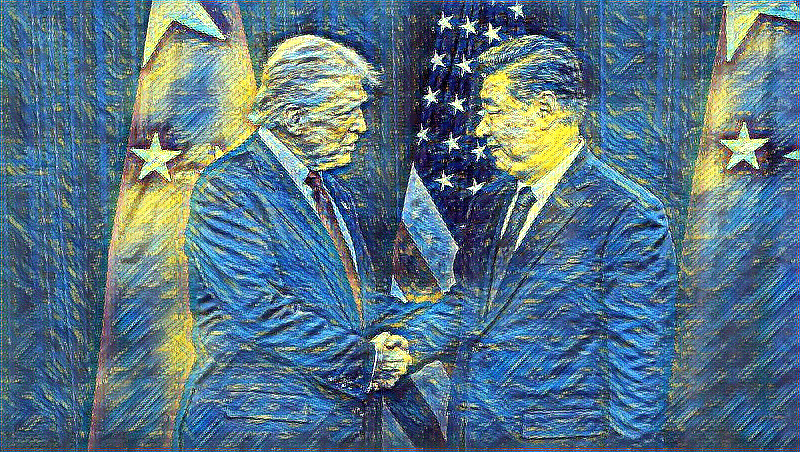
After three decades covering US-China relations, the focus of high-level discussions has significantly shifted from core values to economic and technological competition. The narrative has evolved from historical human rights issues to modern trade disputes and strategic technology control.
The Evolution of US-China Dialogue
When the author began covering US-China relations in the late 1990s, the primary sticking points during high-level meetings were often summarized by the 'three Ts': Tiananmen, Tibet, and Taiwan.
- Tiananmen: Referring to the 1989 crackdown on pro-democracy protesters.
- Tibet: Relating to the Himalayan region controlled by Beijing, historically associated with the Dalai Lama.
- Taiwan: The island democracy claimed by Beijing.
However, recent summits, such as those involving Donald Trump and Xi Jinping, have seen the agenda shift to a different set of priorities, including tariffs, technology, and Taiwan, with Tehran noted as a fourth emerging focus.
Shifting Diplomatic Focus
While Taiwan remains a critical issue for Beijing, the emphasis has moved away from purely values-based concerns toward economic and trade matters. This shift is reflected in the diplomatic personnel leading discussions:
- US Secretary of State Marco Rubio, once a vocal critic of China's human rights record, has adopted a quieter stance as the top diplomat.
- Treasury Secretary Scott Bessent has taken the lead in managing the bilateral ties, meeting with his Chinese counterpart in Seoul before the Beijing summit.
China's Internal Consolidation and Global Strategy
The dynamic is characterized by Xi Jinping's continued consolidation of power within China. He is reshaping the nation's economy and military using unconstrained political will and state resources, hallmarks of the one-party system.
Furthermore, the geopolitical landscape is argued to have been influenced by actions taken during Donald Trump's presidency, which some observers suggest has inadvertently benefited Beijing.
- Geopolitical Impact: By challenging established international trade norms and alliances, Trump's actions are viewed by some as strategically advantageous to China.
- Global Sentiment: Leaders from both allies and adversaries are reportedly engaging with Beijing to mend or strengthen ties, while global opinion, including in the US, appears to be warming toward China.
Economic Headwinds and Strategic Advantages
Despite facing domestic economic challenges—such as weak domestic consumption and manufacturing price wars—China maintains certain advantages:
- Energy Security: Its stockpiles and rapid pivot to green energy shield it from short-term global turmoil.
- Talent Retention: US actions, such as cutting research funding, have reportedly led to the return of Chinese talent previously working in American labs.
- Bureaucratic Capacity: The Chinese system's ability to direct resources remains a significant factor in its development across sectors like EVs and robotics.
Conclusion: Time on Beijing's Side
While the US has imposed export controls, the author notes that China continues to advance structurally. Despite the strongman image of Xi Jinping, the analysis suggests that time is favoring Beijing. With the Communist Party's next national congress expected in 2027, Xi Jinping is widely anticipated to seek a fourth term, maintaining a relatively young profile compared to potential US successors.