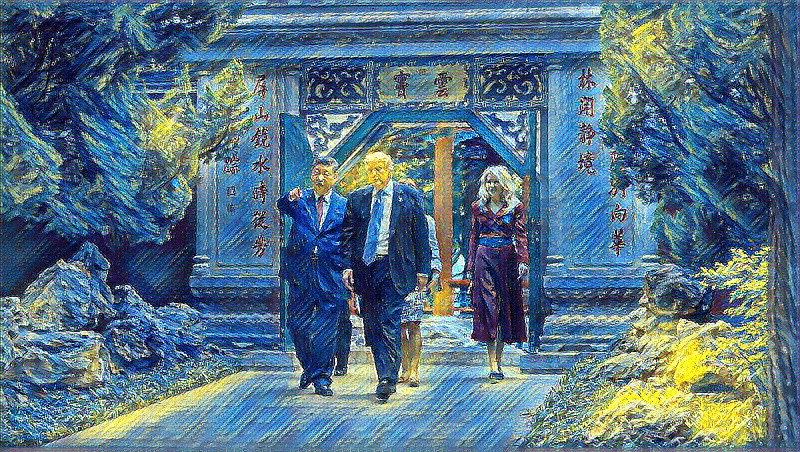
High expectations surrounded the meeting between U.S. President Donald Trump and Chinese President Xi Jinping in Beijing, aimed at resolving the ongoing conflict involving Iran and its impact on global energy markets.
Key Discussion Points and Agreements
The White House released a summary of the talks, highlighting several key agreements reached between the two nations:
- The Strait of Hormuz, a critical waterway, must remain open.
- Both sides agreed that Iran must not possess nuclear weapons.
- Xi Jinping reportedly made clear China's opposition to the militarization of the Strait and any attempt to charge tolls for its use.
China's Stance on Iran
China has positioned itself as a proponent of peace throughout the conflict, given its status as a major oil purchaser from Iran. However, reports indicate that Beijing maintained a consistent diplomatic stance during the discussions:
- The Chinese Foreign Ministry issued a statement emphasizing that "China’s position on the Iran situation is very clear."
- This official statement did not mention any discussion regarding tolls on the Strait of Hormuz.
Diplomatic Outcomes and Limitations
Following the talks, President Trump indicated a degree of acceptance regarding the limits of pressure he could exert on Beijing concerning Tehran's compliance with U.S. peace demands.
- When questioned about Xi's influence on Iran, Trump stated, "Look, he’s not coming in with guns … not coming in shooting... He’s been very good."
- Despite initial reports suggesting China offered assistance, subsequent statements from U.S. officials indicated the U.S. did not specifically request China's intervention.
Overall, while the meeting suggested potential for a U.S.-China energy deal, the immediate impact on China's established position regarding the Iran conflict remains unclear.