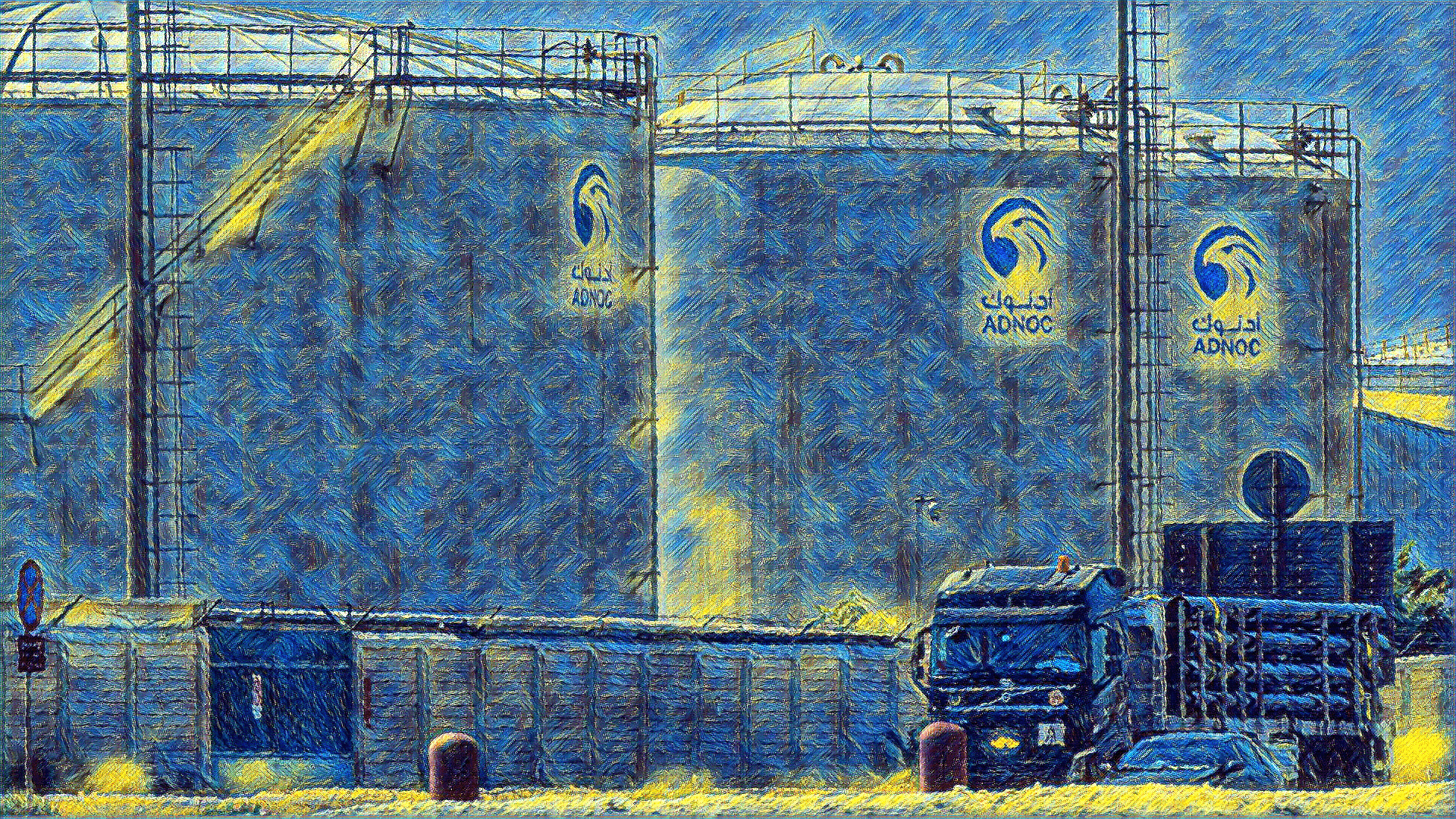
The UAE's decision to withdraw from OPEC and OPEC+ was framed by its energy minister as a purely strategic economic move, emphasizing national interest over political considerations.
Rationale Behind the OPEC Exit
Suhail Mohamed Al Mazrouei, the UAE's Minister of Energy, stated that the departure followed a comprehensive review of the nation's production policy and future capabilities. According to the minister, the decision is rooted in:
- The national interest of the United Arab Emirates.
- Its responsibility as a reliable global energy supplier.
- A commitment to maintaining market stability.
Mazrouei explicitly denied any political motivations, asserting that the exit does not signal any division between the UAE and its former partners.
Strategic Vision and Production Capacity
The oil minister characterized the exit as a "sovereign and strategic choice" driven by the UAE's long-term economic vision and evolving energy sector capabilities. The article provided context regarding the UAE's production levels:
- Current Production: The UAE is currently producing between 1.8 and 2.1 million barrels per day (BPD).
- Target Capacity: Abu Dhabi has set a target capacity of 4.9 million BPD.
- Historical Context: Prior to the recent conflict, the UAE's output was slightly above 3 million BPD, aligning generally with OPEC+ targets.
Global Market Influence and Spare Capacity
Industry analysts noted the UAE's significant influence within the global oil market. Jorge León, head of geopolitical analysis at Rystad Energy, highlighted that the UAE, alongside Saudi Arabia, possesses substantial spare production capacity.
- Spare Capacity: This refers to idle production that can be rapidly brought online to mitigate major supply shocks.
- Market Control: Together, Saudi Arabia and the UAE control a majority of the world's total spare capacity, exceeding 4 million BPD, giving them considerable influence during periods of market distress.
Market Context and Oil Price Movements
The announcement occurred amid volatile global energy markets. Oil prices saw increases due to speculation regarding geopolitical tensions. Specifically:
- Brent Crude: International benchmark Brent crude futures for July rose by over 3%, closing at $109.26 per barrel.
- WTI Crude: U.S. West Texas Intermediate futures for June advanced more than 4%, settling at $105.42 per barrel.
- Year-to-Date Trend: Brent crude prices showed a year-to-date increase of 74%, though they remained below the high of $118 per barrel seen in late April.