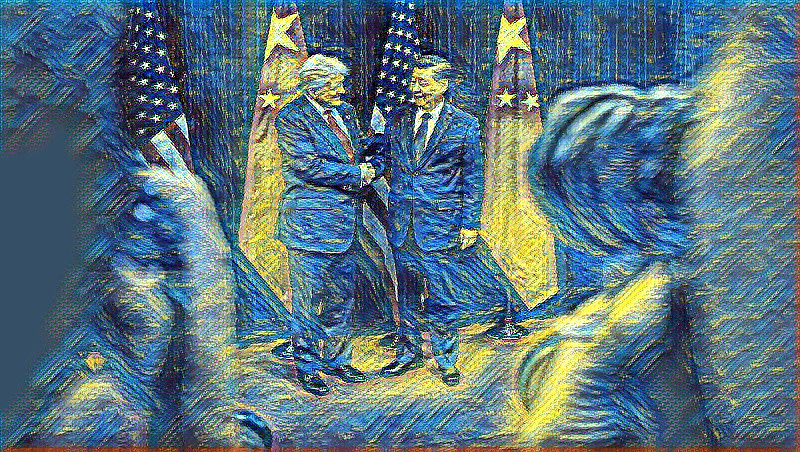
Despite appearing economically strong, Donald Trump faces domestic political headwinds that may limit his leverage in upcoming talks with Chinese leader Xi Jinping. The analysis suggests that Xi Jinping enters the negotiations with a more stable strategic position due to China's centralized governance structure.
Economic Comparison: US vs. China
Both economies show signs of strain, but the nature of the challenges differs significantly.
- United States: The economy is reportedly robust, supported by Artificial Intelligence (AI) advancements and consumer spending. Unemployment remains low, and consumer spending continues, despite inflationary pressures.
- China: While overall growth remains steady, the economy is grappling with significant fallout from its real estate sector collapse. Consumer spending is reported as soft, and the nation is recovering from prolonged deflationary trends.
The Political Variable: Domestic Sentiment
The primary divergence in negotiating power stems from domestic political stability.
- Trump's Constraints: Trump's favorability ratings have reportedly dropped to lows for both of his terms, exacerbated by high gas prices and lingering inflation concerns. The looming midterm elections limit the political tools available to him when negotiating trade issues with China.
- Xi's Stability: In contrast, Xi Jinping maintains ultimate control over his party and the state apparatus. This centralized control allows Beijing to prioritize long-term strategic goals over immediate dips in consumer sentiment.
Strategic Leverage and Future Negotiations
Experts suggest that the domestic political climate in the US significantly weakens Trump's negotiating hand.
- Limited Pressure Points: Because voters react quickly to price hikes and supply chain disruptions, Trump may be hesitant to aggressively push tariffs or confrontational policies.
- China's Counter-Leverage: China has demonstrated its ability to counter US actions, notably by restricting exports of rare earth minerals—a resource critical for US military stockpiles.
- The Time Advantage: The core conclusion is that Xi possesses a crucial advantage: the luxury of time. This long-term view, afforded by a single-party system, allows Beijing to withstand short-term economic turbulence better than a politician reliant on immediate electoral approval.
Key Discussion Points
While Trump is expected to seek Chinese assistance on issues like pressuring Iran or increasing rare-earth exports, the political constraints at home suggest Beijing will maintain a strong negotiating position. Topics expected to dominate discussions include:
- Rare-earth mineral trade.
- US technology access for Chinese companies.
- The status of Taiwan and Iran.