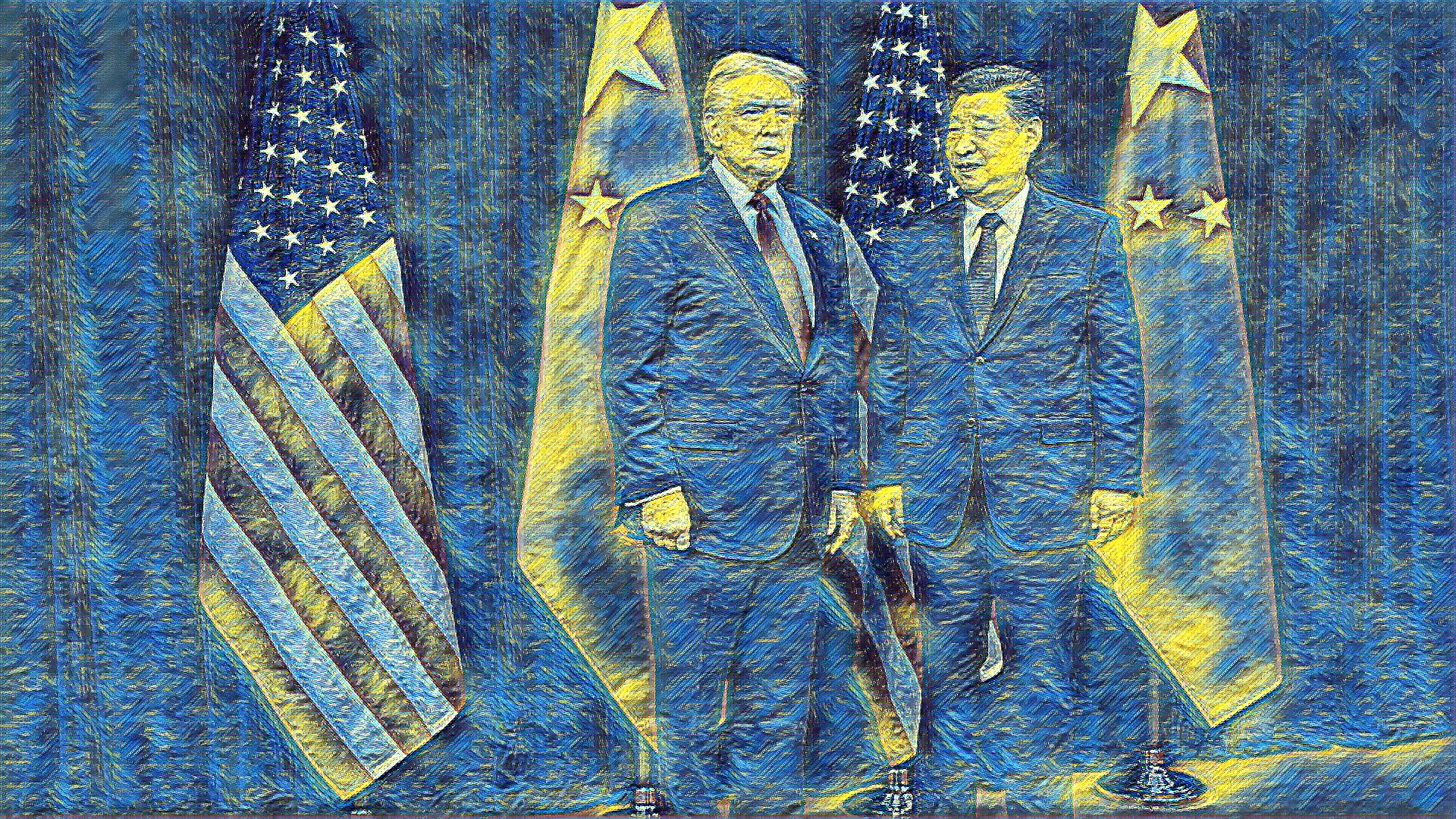
As U.S. President Donald Trump and Chinese President Xi Jinping prepare to meet in Beijing, the world watches closely for agreements on critical issues ranging from trade disputes to advanced technology. The summit is set to address a complex array of geopolitical and economic flashpoints, with outcomes expected to significantly shape global trade patterns and international stability.
Key Issues on the Agenda
The discussions are expected to cover several high-stakes topics that impact global supply chains and economic stability. These include:
- Trade Relations: Efforts to de-escalate ongoing trade tensions.
- Technology: Disputes concerning intellectual property and AI technology transfer.
- Rare Earths: China's recent actions, including suspending exports of various rare earths and related magnets, which have disrupted global automotive supply chains.
- Taiwan: The ongoing geopolitical status of Taiwan.
- Iran: The implications of U.S. sanctions on Iranian oil.
- Artificial Intelligence (AI): Cooperation or conflict regarding AI development.
Rising Tensions and Global Concerns
Leading up to the meeting, both Washington and Beijing have increased rhetorical and economic pressure on one another. Key points of contention include:
- The U.S. has accused China of running "industrial-scale" campaigns aimed at acquiring American AI technology.
- China has implemented countermeasures, such as restricting semiconductor exports from Nexperia China and hosting visits from Iranian officials, in response to U.S. sanctions.
Experts note that the outcome carries immense weight, as the relationship's trajectory—whether toward cooperation or confrontation—will have massive consequences for the global economy and the established rules-based international order.
Pre-Summit Meetings and Outlook
The week leading up to the Beijing summit is anticipated to be eventful. Before the main talks, high-level officials are scheduled to meet in South Korea to discuss economic and trade matters. These preparatory meetings aim to safeguard any potential truces reached previously from recent escalations.
- Participants: Officials include Chinese Vice Premier He Lifeng and U.S. Treasury Secretary Scott Bessent.
- Goal: To ensure that recent tensions, such as U.S. sanctions on Chinese refiners buying Iranian crude, do not derail diplomatic progress.
The meeting, originally scheduled for March, was delayed due to the geopolitical situation involving Iran, which has caused significant global energy market volatility.