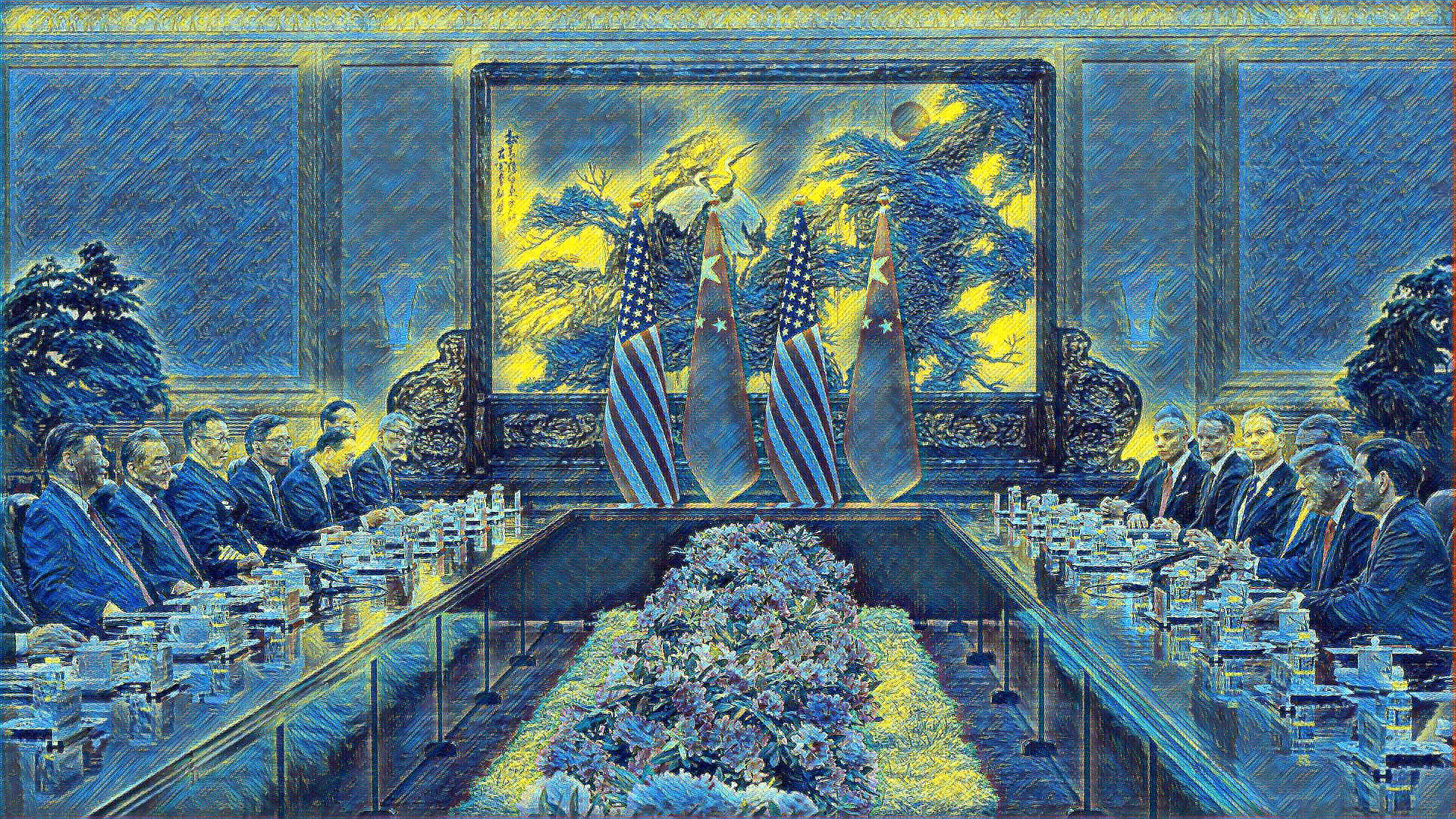
Analysts anticipate that a meeting between U.S. President Donald Trump and Chinese President Xi Jinping could signal a stabilization period for relations between the two global economies. The highly anticipated summit in Beijing is expected to address long-standing trade disputes and geopolitical flashpoints.
Key Discussion Points at the Summit
The leaders are slated to discuss several complex and sensitive issues. These topics are central to the economic and political relationship between the two nations:
- Trade and Commerce: Discussions are expected regarding China's increased procurement of American agricultural and industrial goods, as well as the status of tariffs.
- Geopolitics: The issue of Taiwan remains a primary focus for Beijing.
- Resources: Rare earth minerals are also anticipated subjects of conversation.
- Global Context: The backdrop of the ongoing situation in Iran is also noted by observers.
Significance for Global Economics
Experts view this summit as a crucial test for the G2 dynamic, given that the U.S., China, and the European Union collectively account for 60% of the world's GDP.
- Justin Feng, an Asia economist at HSBC, noted that the meeting could be a "defining test" for the world's leading economies.
- The potential for an extended truce was highlighted, building on previous discussions that eased trade tensions.
Stances of the Two Sides
Both administrations have signaled their primary objectives leading up to the meeting:
- U.S. Stance: The Trump administration intends to push for greater Chinese purchases of American goods, specifically mentioning soybeans and Boeing aircraft.
- China's Stance: Beijing has made it clear that the issue concerning Taiwan will be a central pillar of its agenda.
Expert Analysis: Moving Beyond Conflict
Analysts suggest the meeting's outcome could solidify a formal agreement to pause trade hostilities. Graham Allison, a Harvard professor, suggested that the key takeaway might be "stabilization," potentially formalizing a negotiated truce.
Furthermore, Xi Jinping reportedly raised the possibility of the U.S. and China transcending the "Thucydides Trap," a concept popularized by Allison concerning the historical tendency for rising and ruling powers to conflict.