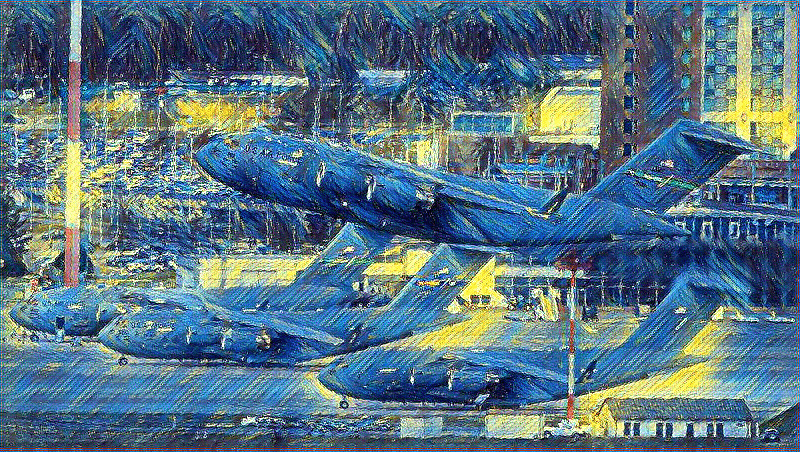
Tensions between the US and Germany have escalated significantly, with Donald Trump threatening to reduce American troop presence in Germany amid disagreements over the US-led campaign in Iran.
Source of Friction: US Strategy in Iran
Disagreements between Washington and Berlin center on the United States' approach to the conflict with Iran. German Chancellor Friedrich Merz publicly criticized the US strategy, stating that the administration lacked a clear plan to end the war.
- Merz criticized the US for what he termed being "humiliated" by Iran.
- European nations, including Germany, have emphasized the need for a diplomatic resolution rather than direct military involvement.
Trump's Response and Threats
In response to the criticism, Trump made statements suggesting a potential reduction in US forces stationed in Germany.
- Trump stated on Truth Social that the US was "studying and reviewing the possible reduction of Troops in Germany, with a determination to be made over the next short period of time."
- Previously, Trump had threatened troop reductions in 2020.
Diplomatic Tensions and NATO Strain
The friction highlights growing rifts within the NATO alliance.
- The dispute intensified following the US-Israeli conflict, which the US launched without notifying most NATO allies.
- European countries have generally refrained from direct participation, focusing instead on diplomacy.
- Trump has previously questioned the alliance's strength, referring to NATO as a "paper tiger," and has threatened to reconsider US membership in the alliance.
Germany's Stance and Support
Despite the political disagreements, Germany has provided limited military support to the US effort.
- This support primarily involves allowing the use of German military infrastructure, such as air bases, for operations.
- Merz has pledged further German assistance, contingent on the conflict entering a post-war stabilization phase.
- Berlin recently announced deploying a naval minesweeper to the Mediterranean Sea in preparation for reopening the Strait of Hormuz, following calls from Trump for allied naval support.
Political Exchanges
The disagreement escalated through public criticism on social media and in press conferences.
- Merz criticized the US for entering a war without clear objectives, stating, "At the moment, I cannot see what strategic exit the Americans are now opting for."
- Trump directly targeted Merz on Truth Social, questioning his views on Iran's nuclear capabilities and suggesting this was contributing to Germany's economic struggles.
- Subsequently, Merz attempted to de-escalate the situation, publicly affirming that his personal relationship with the US President remained "good," while also stressing the importance of the transatlantic partnership to Germany.