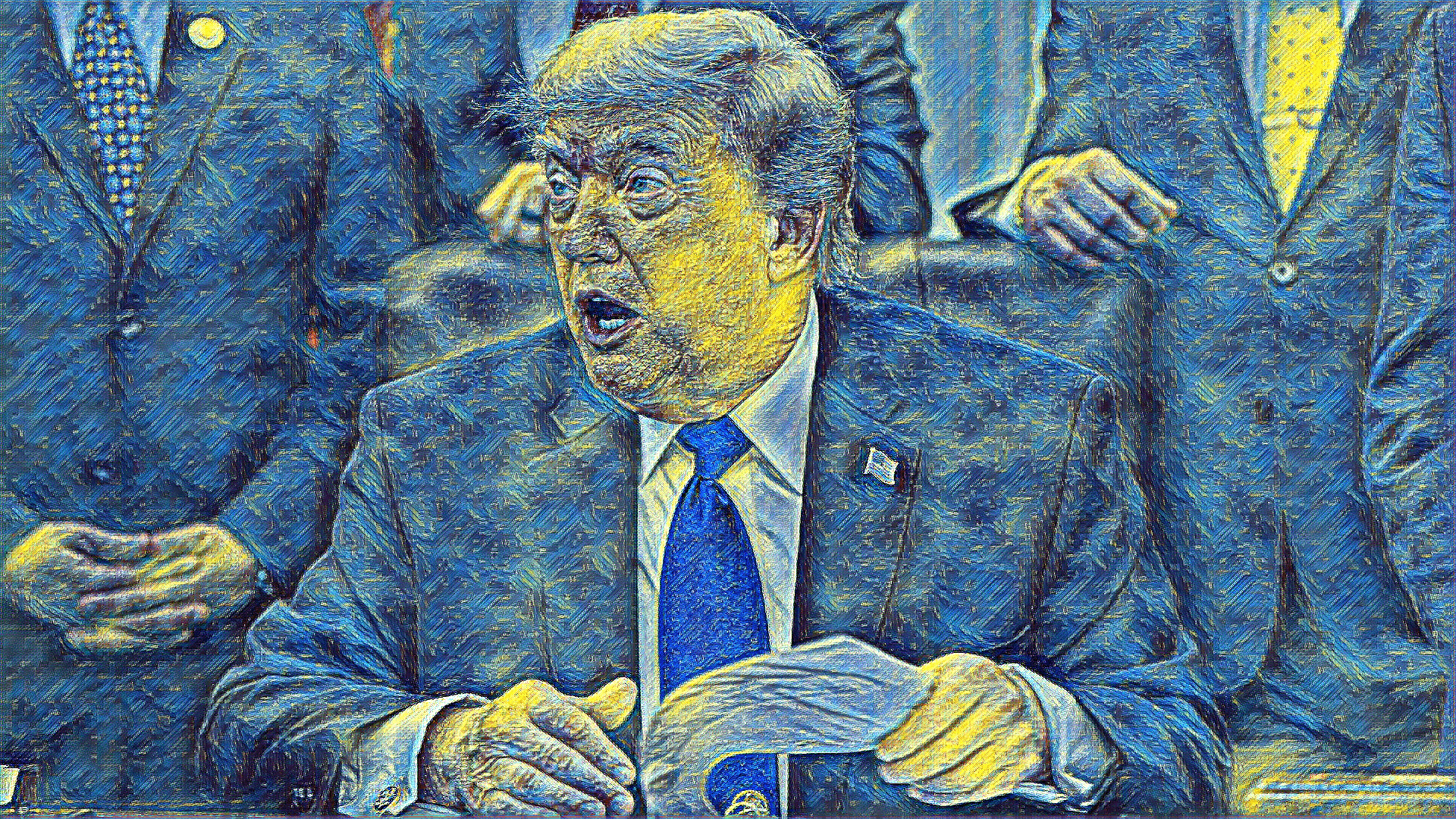
Donald Trump announced plans to raise tariffs on vehicles imported from the European Union (EU) to 25%, citing non-compliance with a trade deal, though the mechanism for the increase remains unclear.
Trump's Tariff Announcement
On Friday, Trump posted on Truth Social detailing his intention to raise import duties. His statement read:
- "Based on the fact the European Union is not complying with our fully agreed to Trade Deal, next week I will be increasing Tariffs charged to the European Union for Cars and Trucks coming into the United States."
- "The Tariff will be increased to 25%. It is fully understood and agreed that, if they produce Cars and Trucks in U.S.A. Plants, there will be NO TARIFF."
Legal Context and Previous Tariffs
This announcement comes against a backdrop of significant legal challenges regarding tariffs. Previously, the Supreme Court ruled that a substantial portion of Trump's tariff agenda was illegal.
- The high court, in a 6-3 majority, determined that the law used to justify the import duties did not grant the President the authority to impose such tariffs.
- Following this ruling, Trump had previously issued an executive order imposing a 10% "global tariff" rate, which was later discussed with a potential increase to 15%.
EU Concerns and Industry Impact
The European Union had previously warned that its trade agreement with the U.S. was at risk following the announcement and subsequent postponement of a planned vote on the deal.
- The Trump administration had previously implemented 25% tariffs on certain vehicles and auto parts imported into the U.S., citing national security risks under Section 232, and these levies remain in effect.
- Major European automakers, including Mercedes, BMW, and Volkswagen, are expected to be significantly affected, as they import a large proportion of the vehicles they sell in the U.S. from their European facilities.