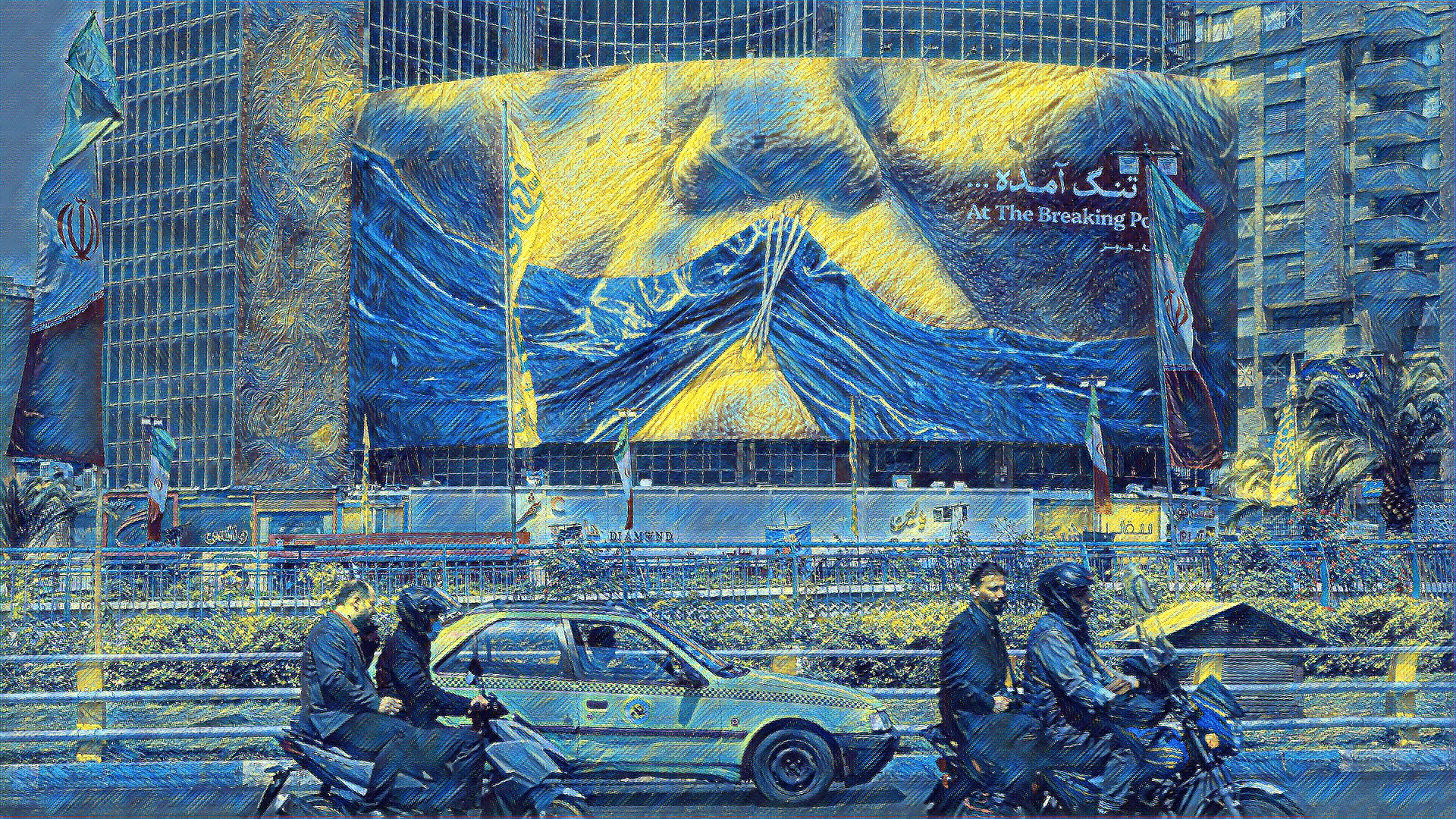
Former President Donald Trump stated he is unlikely to accept a new peace proposal from Iran, asserting that Tehran has not yet paid a sufficient price for its actions. This statement comes amid escalating regional tensions and ongoing diplomatic hurdles regarding a potential resolution to the conflict.
Trump's Stance on Iran's Proposal
Trump indicated that while he had not reviewed the precise wording of the latest Iranian peace proposal, his initial assessment suggested it would be unacceptable. His reasoning centered on the belief that Iran must face greater consequences for its actions.
- Trump stated on social media that the proposal would be difficult to accept because Iran has not "paid a big enough price" for its actions against "Humanity, and the World, over the last 47 years."
- This commentary followed a day where Trump publicly discussed the possibility of resuming airstrikes, signaling mixed messages as he seeks to conclude the conflict he initiated over two months prior.
Details of the Proposed Deal
On Saturday, a senior Iranian official outlined the core components of the proposal presented to Washington. The initial terms suggested:
- Reopening shipping in the Strait of Hormuz.
- Ending a U.S. blockade on Iran.
- Postponing discussions regarding Iran's nuclear program.
Trump had previously expressed dissatisfaction with the proposal on Friday, though he noted on Saturday that he was awaiting the full details.
Escalating Tensions in Lebanon and the Region
The diplomatic efforts are complicated by heightened military activity in Lebanon. Israel issued an urgent warning on Sunday, ordering thousands of residents in southern Lebanon to evacuate their homes and move at least 1,000 meters away.
- The Israeli military cited the warning as a response to what it described as a violation of a ceasefire, stating operations were underway against Hezbollah.
- Iran has stipulated that any resumption of talks with Washington requires a ceasefire to be maintained in Lebanon.
- This follows an Israeli invasion of Lebanon in March, which was conducted after the Iranian-backed group fired across the border in support of Tehran. While Lebanon and Israel agreed to a separate truce last month, fighting has continued at a smaller scale.
Broader Implications for Global Stability
Despite the suspension of bombing campaigns between the U.S. and Israel four weeks ago, the path to a comprehensive peace remains unclear. The conflict has significantly disrupted global energy supplies, unsettled global markets, and raised concerns about a wider economic downturn.