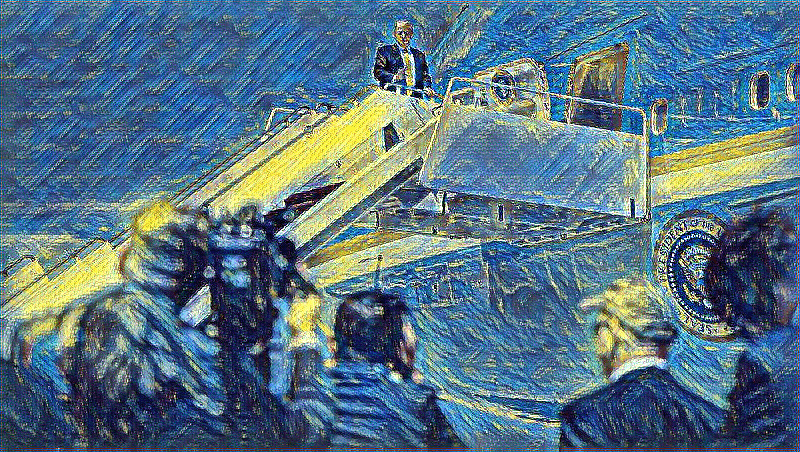
Former President Donald Trump's recent comments dismissing American financial concerns during discussions about the Iran conflict have drawn criticism, suggesting a potential disconnect between his stated foreign policy goals and domestic economic realities.
The 'Financial Situation' Gaffe
During a recent exchange, when questioned about the influence of American economic concerns on his push for a peace deal with Iran, Trump stated emphatically: “Not even a little bit.” He asserted that the sole focus was preventing Iran from acquiring nuclear weapons, adding, “I don’t think about Americans’ financial situation. I don’t think about anybody. I think about one thing: We cannot let Iran have a nuclear weapon. That’s all.”
This statement was noted for its apparent disregard for the current economic climate, which remains a significant concern for many American voters.
Political Reactions and Counterpoints
Republicans responded to the remarks with varying degrees of defense. Some sought to minimize the impact, while others offered more measured critiques:
- Downplaying the Comments: Some Republicans characterized the remarks as mere "throwaway lines." Others suggested the context of the comments should be considered.
- Vice President Vance's Response: Vice President JD Vance offered a more conciliatory tone, stating that the administration remains focused on American finances and acknowledging that "the inflation number last month was not great," suggesting a more nuanced approach than Trump's.
Strategic Implications of Dismissiveness
Analysts suggest that Trump's dismissal of economic factors could weaken his negotiating position. The primary constraints on any peace deal are often financial, with rising gas prices cited as a major cost felt by Americans.
- Asymmetric Leverage: The article points out that the Iranian regime, while suffering from the US blockade, is less responsive to domestic citizen complaints than the US electorate is to economic hardship.
- Signaling Intent: One interpretation suggests that by appearing unconcerned with American finances, Trump might be signaling to Iran that he is not desperate for a deal, thereby increasing his negotiating leverage.
Domestic Political Risks
However, the piece cautions that this dismissiveness could backfire politically. The war is already unpopular, and Trump's approval ratings concerning the economy are reportedly declining. If the conflict continues, and if Democrats gain control of the House, the political headwinds could increase.
Furthermore, polling data suggests that a significant portion of the American public does not view the war as worth the current economic costs, an issue that looms large in any election cycle.