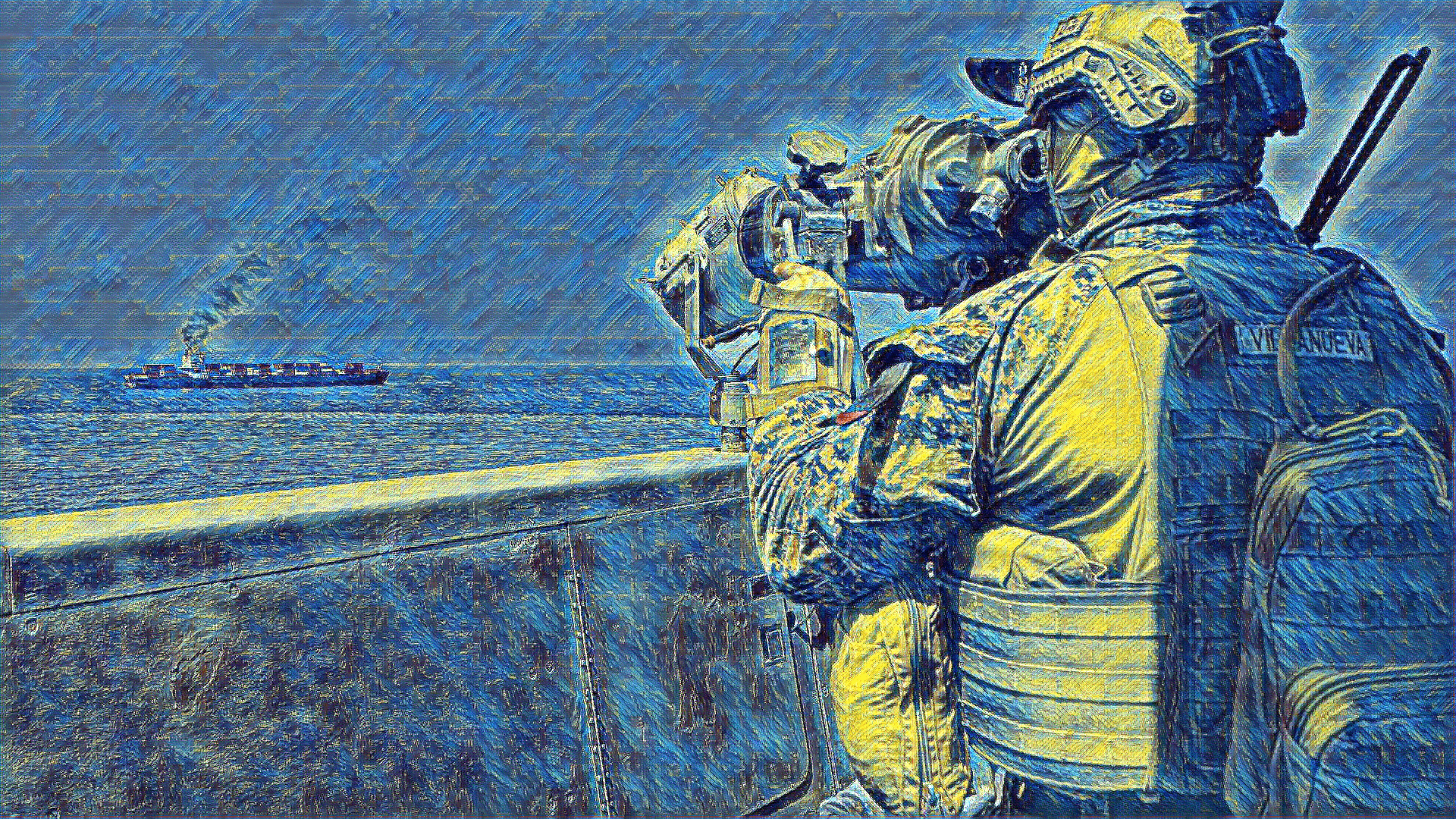
Donald Trump is reportedly awaiting concessions from Iran in Middle East negotiations, even as the U.S. maintains a naval blockade on the vital Strait of Hormuz. Wolfe Research, however, cautions that the current impasse carries significant risks that could undermine U.S. objectives.
The Stalemate in the Strait of Hormuz
Following the suspension of peace talks, the situation remains tense, with the U.S. enforcing a naval blockade while Iran continues to restrict activity in the Strait of Hormuz. While recent market focus shifted away from immediate conflict fears toward corporate profits and AI trade, analysts warn of emerging risks.
Wolfe Research's Warning on Blockade Effectiveness
According to a report from Wolfe Research, the current blockade strategy may backfire if it fails to force a swift capitulation from Iran. Key concerns highlighted by the firm include:
- Extended Closure: If the blockade proves ineffective, the Strait could remain closed for weeks or even months.
- Supply Disruption: Such a prolonged closure would effectively remove Iranian oil supply from the global market.
Potential Economic and Security Repercussions
The potential fallout extends beyond simple trade disruption, impacting both energy prices and regional stability:
- Oil Price Volatility: Oil markets are showing renewed concern. Brent crude futures were reported above $107 on Monday, indicating that prolonged closure could drive oil prices higher. Wolfe Research suggests that deepening disruptions could draw equity markets' attention once more.
- Risk of Escalation: Analysts warn that a protracted blockade could provoke a violent response from the Islamic Republic. Tobin Marcus, head of U.S. policy and politics at Wolfe, noted that if the blockade persists for weeks or months, the possibility of Iran retaliating violently, rather than capitulating, must be considered.