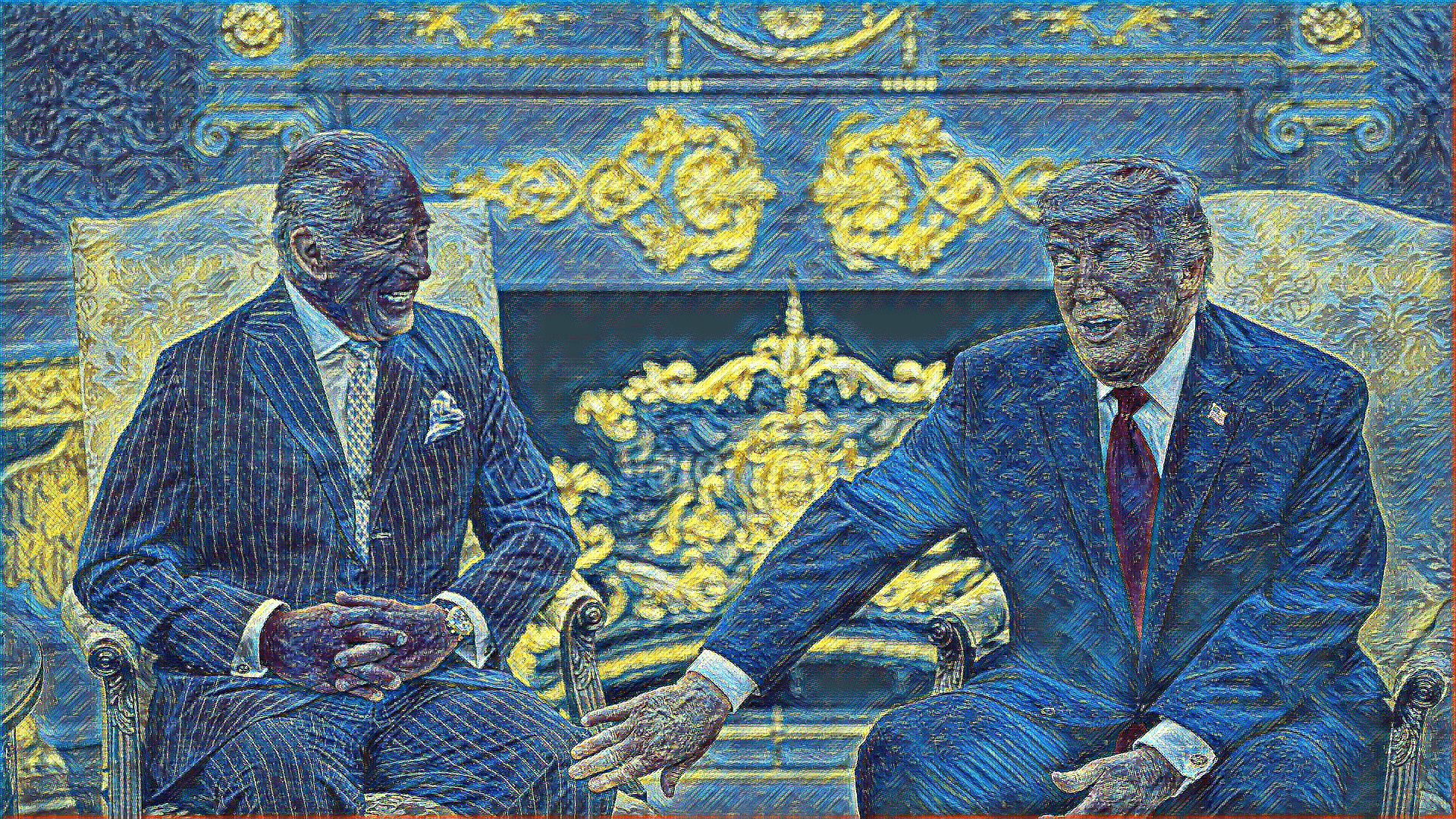
U.S. President Donald Trump announced the repeal of tariffs on Scottish whiskey following a state visit by King Charles III and Queen Camilla, aiming to mend transatlantic trade relations.
Tariff Repeal Details
On Thursday, President Trump stated on Truth Social that he was removing tariffs and restrictions on whiskey related to Scotland's trade with Kentucky. He framed the action as an honor for the visiting monarchs.
Key points from the announcement included:
- The repeal covers tariffs on whiskey originating from Scotland.
- The measure also applies to Irish whiskey tariffs.
- Trump stated the action was prompted by the King and Queen, noting that "the King and Queen got me to do something that nobody else was able to do."
Industry Impact and Lobbying Efforts
The decision is significant for the spirits industry, which has been lobbying for the removal of trade barriers. The Scotch Whisky Association reported that the previous tariff situation was costing its members substantial revenue.
- Economic Stakes: The Scotch whisky industry employs approximately 40,000 people in Scotland, and whisky constituted 23% of all Scottish goods exports in 2025.
- Lobbying Success: Officials from both the Scottish and U.K. governments actively lobbied for a return to zero-for-zero tariff conditions.
- Industry Concern: The sector had faced the prospect of single malt tariffs returning to 25% if a deal was not reached, as a five-year suspension was set to expire.
Background on Trade Tensions
The trade environment had been strained previously. Last year, the U.K. secured a deal with the Trump administration that included a 10% blanket tariff on goods imported to the U.S., overriding previous zero-tariff arrangements for spirits.
- Mutual Interest: The Scotch whisky industry relies heavily on the U.S. market, and the sector is also a major purchaser of used bourbon barrels from the United States.
- Political Context: The announcement followed a four-day state visit by the King and Queen, which included an address by King Charles to a Joint Meeting of Congress, where he spoke about the transatlantic "special relationship."