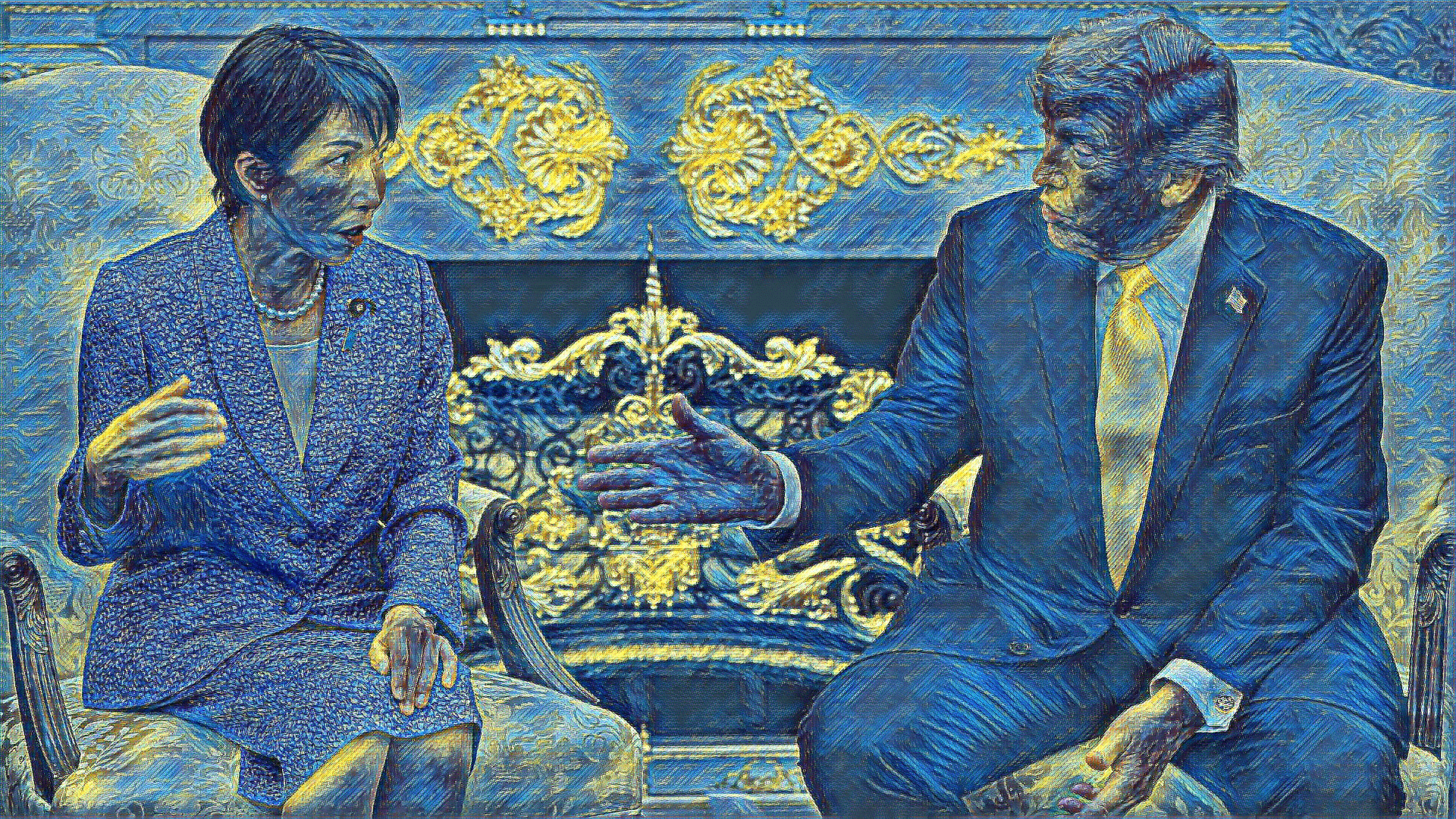
In a bilateral meeting at the White House, President Donald Trump invoked Japan's 1941 attack on Pearl Harbor to justify the U.S. decision not to inform allies before the February 28 strike on Iran, drawing a historical parallel with Japanese Prime Minister Sanae Takaichi.
Meeting Overview
- The meeting occurred on March 19, 2026, in the Oval Office, marking President Trump's first encounter with PM Takaichi since her electoral victory.
- Discussions focused on regional security, alliance commitments, and the Strait of Hormuz.
Trump's Historical Analogy and Claims
- When asked by a Japanese reporter about the lack of prior notification, Trump responded: "Who knows better about surprise than Japan ... Why didn't you tell me about Pearl Harbor?"
- He emphasized the necessity of surprise, stating the Iran attack "knocked out 50% of what we anticipated" in the initial two days.
- Trump commended Japan for "stepping up" relative to NATO allies.
Japan's Cautious Response
- PM Takaichi indicated Japan would assess contributions within existing legal frameworks, with no plans to dispatch naval vessels.
- Her office clarified via social media that there was "no specific request from the United States to Japan for the dispatch of vessels."
- Japan's pacifist constitution restricts military force for international disputes, limiting Self-Defense Forces' overseas roles.
European Allies' Stance Against Military Involvement
- A joint statement from Japan, Britain, France, Germany, Italy, and the Netherlands expressed readiness to support safe passage in the Strait of Hormuz through non-military means.
- Germany and France explicitly rejected military participation:
- German Defense Minister Boris Pistorius: "This is not our war, we have not started it."
- French President Emmanuel Macron adopted a similar position.
- Chancellor Friedrich Merz confirmed Germany would not use military assets to ensure navigation freedom.
- Trump criticized NATO for a "very foolish mistake" in avoiding the conflict.