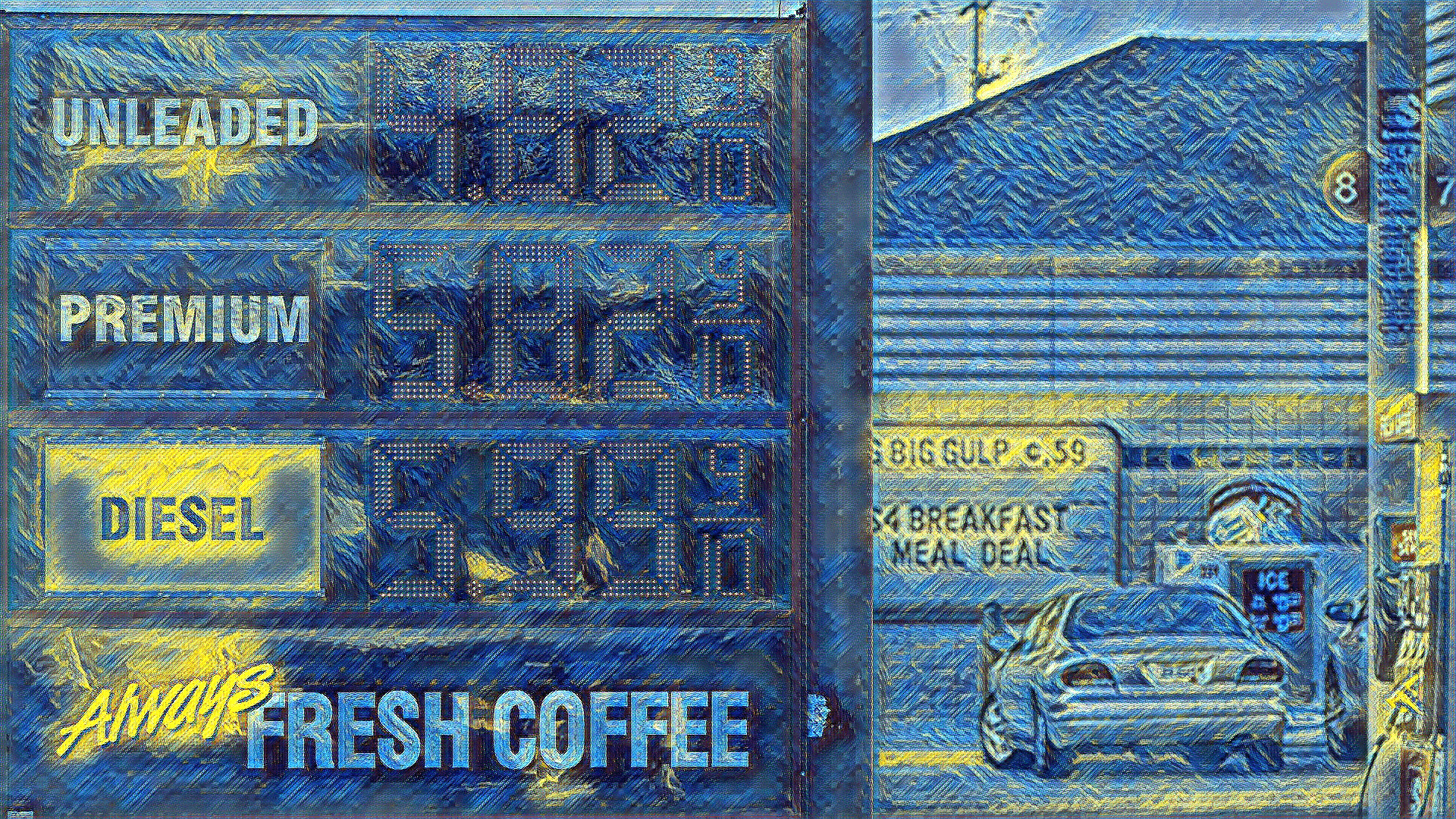
President Donald Trump and Republican lawmakers are proposing a suspension of the federal gas tax amid soaring fuel prices, following escalating tensions involving Iran. The proposal aims to mitigate the financial impact of rising gasoline and oil costs on consumers.
Context: Soaring Fuel Prices and Geopolitical Tensions
Gasoline and oil prices have seen significant increases over the past two months, coinciding with heightened tensions following the outbreak of conflict involving the U.S. and Israel, which has drawn in Iran.
- Strait of Hormuz Disruption: Iran has reportedly caused significant disruptions in the Strait of Hormuz, a critical waterway responsible for transporting an estimated fifth of the world's total oil supply.
Political Proposals for Tax Suspension
President Trump has publicly advocated for a temporary halt to the federal gas tax. While he stated his intention to 'reduce' the tax, he acknowledged that Congress holds the sole authority for taxation.
- Trump's Statements: In an interview with CBS News, Trump indicated support for pausing the tax, stating, "Yup, we're going to take off the gas tax for a period of time, and when gas goes down, we'll let it phase back in."
- Congressional Action: Several Republican lawmakers formally floated the suspension of the tax on Monday.
- Current Tax Rate: The federal gas tax currently amounts to 18.4 cents per gallon, a rate that has remained unchanged since 1993.
Impact of the Federal Gas Tax
The revenue generated from the federal gas tax is earmarked for specific public infrastructure projects.
- Primary Uses: The funds are primarily allocated to support the construction and maintenance of federal highways.
- Secondary Funding: The tax also contributes to funding for certain public transit systems.