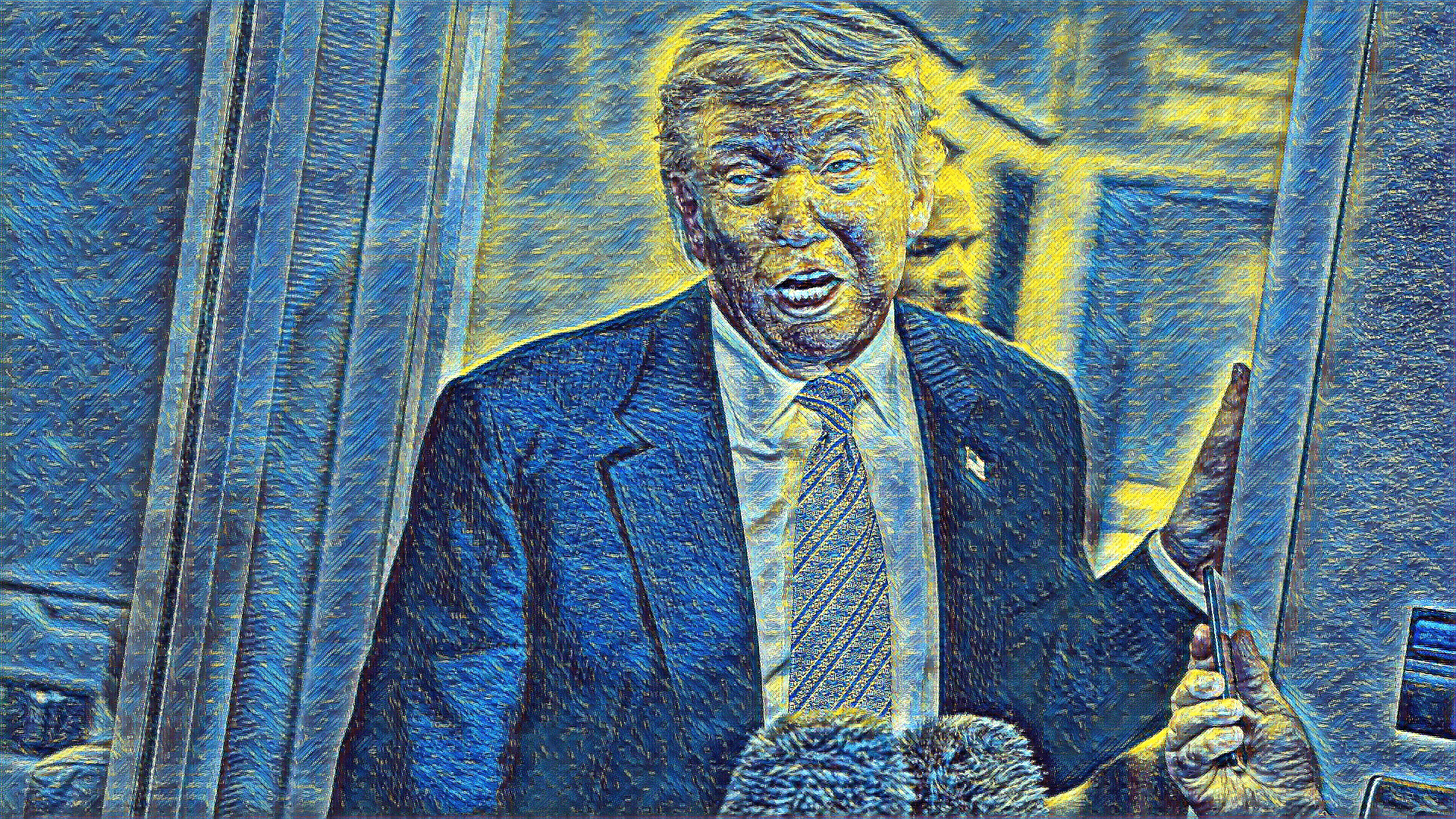
Former U.S. President Donald Trump stated that Chinese President Xi Jinping agreed that Iran must reopen the Strait of Hormuz, although China offered no explicit commitment on the matter. Trump made these remarks while traveling back from Beijing following his official visit with Xi Jinping on May 15, 2026.
U.S.-China Discussions and Sanctions Relief
Speaking to reporters aboard Air Force One, Trump indicated that he was considering lifting U.S. sanctions targeting Chinese oil companies that purchase Iranian crude. China remains a major buyer of Iranian oil.
- When questioned about a firm commitment from Xi to pressure Iran regarding the strait, Trump stated, "I'm not asking for any favors because when you ask for favors, you have to do favors in return."
- Xi Jinping did not comment on the specifics of his discussions with Trump concerning Iran.
Strait of Hormuz Crisis Details
Iran has effectively restricted access to the Strait of Hormuz, a vital waterway responsible for transporting an estimated one-fifth of global oil and liquefied natural gas supply. This disruption has contributed to significant global oil supply concerns.
- Iranian Stance: Tehran has asserted that it will not reopen the strait until the United States ceases its port blockade.
- Iranian Countermeasures: Ebrahim Azizi, head of the Iranian parliament's national security committee, announced that Iran has prepared a mechanism to manage traffic through the strait along a designated route, which will soon be unveiled. Azizi noted that fees would be collected for specialized services under this mechanism.
Regional Tensions and Diplomatic Efforts
The region has seen heightened tensions, including:
- Military Actions: The U.S. and Israel launched attacks on February 28, leading to the current blockade. The U.S. military reported that as of Saturday, 78 commercial ships were redirected and four disabled to enforce compliance with the blockade.
- Lebanon Tensions: While Israel and Lebanon agreed to a 45-day ceasefire extension, fighting between Israel and the Iran-backed group Hezbollah has continued in Lebanon.
- Diplomatic Mediation: Pakistan has been actively mediating discussions between Washington and Tehran. Iranian officials reported detailed talks with Pakistani counterparts regarding resuming peace talks.
Key Positions and Demands
- Trump's Demand: Trump reiterated the goal of keeping the straits open, stating, "We don't want them to have a nuclear weapon, we want the straits open."
- Iran's Position: Iran continues to deny plans to build a nuclear weapon but has refused to end its nuclear research or relinquish its enriched uranium stockpile.
- China's Stance: China's foreign ministry previously criticized the conflict, describing it as an event that "should never have happened, has no reason to continue."