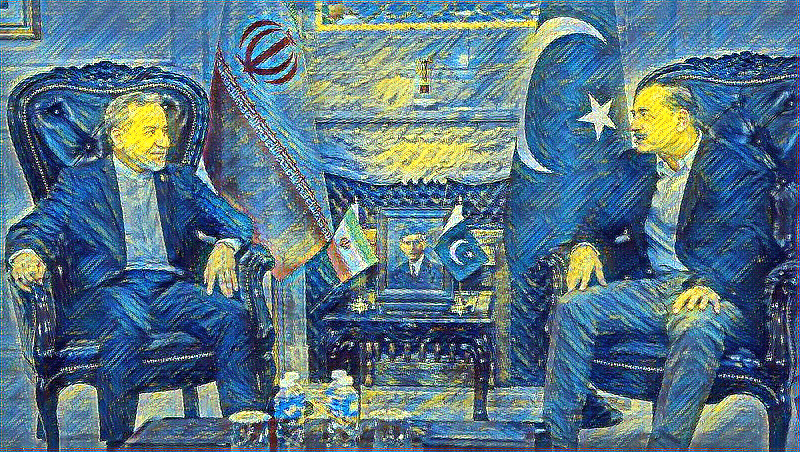
President Donald Trump abruptly canceled a planned US delegation trip to Pakistan, signaling that key American prerequisites for renewed talks with Iran have not been met.
Reasons for Trip Cancellation
The decision to scrap the visit, announced just one day after its planning, stems from the US assessment of the ongoing negotiations with Iran. US officials reportedly required two main developments from Tehran following the conclusion of previous talks:
- A concrete negotiating proposal addressing President Trump's stated red lines regarding Iran's nuclear program.
- Greater clarity from the Iranian leadership regarding who holds ultimate decision-making authority.
Developments Leading to the Cancellation
Initially, there had been indications of progress. White House Press Secretary Karoline Leavitt stated that the US had observed "some progress from the Iranian side in the last couple of days." However, this perceived advancement proved insufficient for the US administration.
The cancellation occurred approximately an hour after Iran's Foreign Minister, Abbas Araghchi, departed Islamabad following meetings with Pakistani officials regarding Iran's latest proposal.
President Trump suggested that the primary rationale for canceling the trip was a cost-benefit analysis, weighing the extensive travel time (estimated at at least 17 hours) against the perceived low probability of achieving a breakthrough.
Concerns Over Iranian Internal Divisions
American officials continue to express concern regarding internal divisions within the Iranian regime. These divisions, reportedly between moderate and hardline factions, are viewed as hindering Tehran's ability to present a unified negotiating front.
President Trump highlighted this instability on Truth Social, stating: "There is tremendous infighting and confusion within their ‘leadership.’ Nobody knows who is in charge, including them."
Current Standoff
As a result, negotiations remain stalled, with no clear path forward established between the US and Iran. While President Trump asserted that the issue rests solely with Iran, the lack of a deal continues to raise questions about the future resolution of tensions, including the reopening of the Strait of Hormuz.