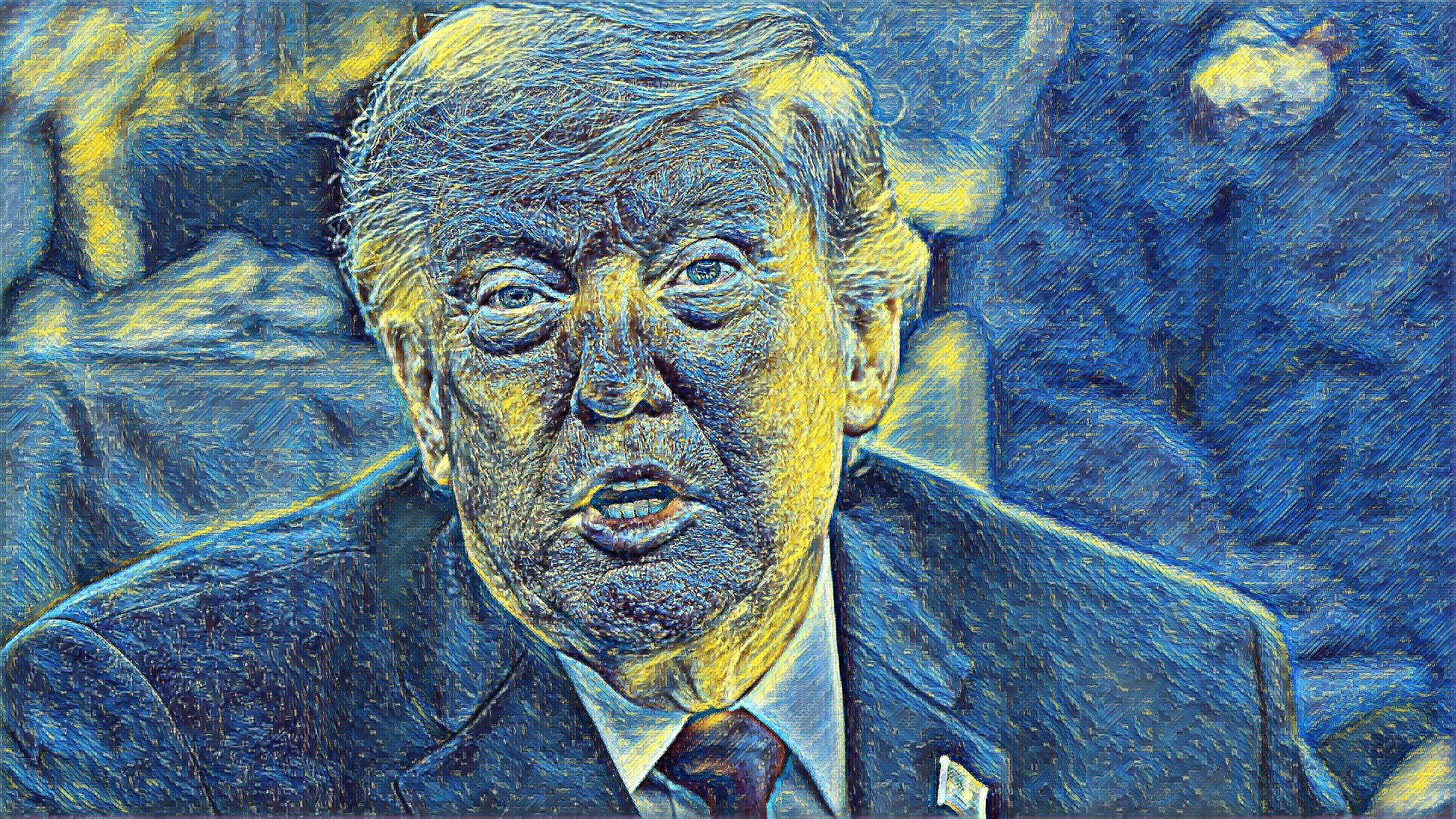
Former President Donald Trump publicly endorsed the UAE's decision to withdraw from OPEC, suggesting the move would help lower global energy prices. The comments followed the UAE's announcement on May 1st, which was widely seen as a significant challenge to the oil cartel's long-standing influence.
Trump's Commentary on OPEC Departure
Speaking to reporters at the White House after meeting with Artemis II astronauts, Trump expressed strong support for the UAE's action. Key points from his remarks included:
- He stated, "I think it's great," regarding the UAE's exit.
- Trump described UAE President Sheikh Mohamed bin Zayed Al Nahyan as "very smart," suggesting the move allowed the UAE to pursue its own path.
- He concluded that the withdrawal was "a good thing for getting the price of gas down, getting oil down, getting everything down," noting that the UAE was experiencing "some problems in OPEC."
Context of the UAE's Decision
The UAE announced its intention to end its association with OPEC on Tuesday, May 1st. This move was interpreted as a major blow to the cartel, which has historically managed oil prices and production quotas for over six decades.
- UAE's Rationale: Abu Dhabi's energy ministry stated that the decision followed a review of its production policy and capacity, concluding that exiting the group served its national interest. The ministry also expressed appreciation for the decades of cooperation with OPEC members.
- Market Backdrop: The announcement occurred amid volatile oil prices, which had risen sharply following the conflict initiated by the U.S. and Israel against Iran on February 28th.
- Geopolitical Pressures: The UAE has recently faced heightened regional instability, including repeated missile and drone attacks from Iran (an OPEC member). Furthermore, potential disruptions to oil exports due to tensions in the Strait of Hormuz have constrained the UAE's economic capacity.
OPEC's Structure and Significance
The UAE was noted as OPEC's third-largest oil producer as of February, trailing Saudi Arabia and Iraq. OPEC's coordinated efforts have historically been central to global oil market stability and pricing.