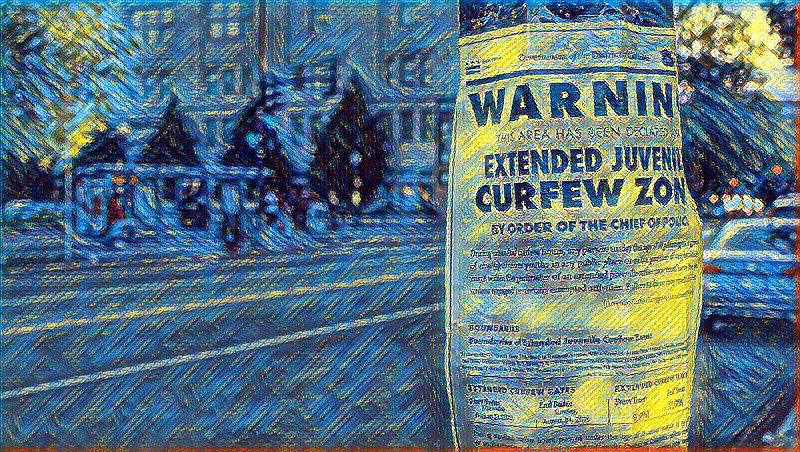
Recent incidents dubbed "teen takeovers"—mass gatherings of youths in public spaces—have drawn significant police attention nationwide, prompting local authorities to implement stricter measures. These events, amplified by social media, have escalated from simple gatherings into scenes of disorder, vandalism, and criminal activity across major US cities.
Documented Incidents Across US Cities
The term "teen takeovers" describes large, rowdy gatherings in public areas like malls or parks. These incidents have occurred in several locations, demonstrating a pattern of escalating disorder:
- Orlando: Approximately 1,000 teenagers gathered at Icon Park, leading to fights and nine arrests on charges including battery on an officer and trespassing.
- Washington, D.C.: Around 200 teens assembled at a park in the Navy Yard neighborhood, resulting in reports of gunfire, disorderly conduct, and robbery.
- New York: Hundreds of teens flooded a mall in the Bronx, causing vandalism and confronting mall employees.
The Role of Social Media and Escalation
The common thread linking these events is the role of social media, which is used to organize and spread the word about these gatherings. Experts note that while the phenomenon is new, the underlying dynamics are comparable to past events, but the scale and networked nature are what have changed.
- Organization: Takeovers often begin with AI-generated flyers posted online, detailing the planned location and timing. Organizers sometimes withhold precise details to evade police detection.
- Documentation: Participants frequently film the events, creating content that can serve as 'guerrilla advertising' for future takeovers.
- Official Response: Following the vandalism at the Bronx mall, New York officials issued a "Letter to Social Media," urging platforms like TikTok, Instagram, Snapchat, and YouTube to monitor or remove posts detailing takeover plans.
Official and Expert Responses
Authorities and experts are responding with increased surveillance and policy changes. Washington D.C. officials, for instance, approved measures allowing police to establish curfew zones prohibiting groups of eight or more teens after 8 p.m. Furthermore, some police departments are now treating these gatherings with the seriousness of civil unrest.
- Police Strategy: DC Metro Police Assistant Chief Ramey Kyle stated that increased police presence is key to preventing escalation, noting that visible officers deter fights, robberies, and shootings.
- Community Concerns: Some young people have voiced concerns at council hearings, arguing that blanket bans unfairly punish teens who are simply socializing, advocating instead for increased youth programming.
- Expert Caution: Thaddeus Johnson, a senior fellow at the Council on Criminal Justice, cautioned that law enforcement must balance preventing disorder without criminalizing adolescence itself.
Broader Context and Future Outlook
These incidents are viewed by some officials as symptomatic of broader issues in youth crime. The ultimate fear cited by authorities is the potential for escalation into violence, drawing comparisons to past incidents of public disorder. City officials are balancing proactive measures—such as curfews and community outreach—with the need to avoid overreacting to what some view as passing trends.