BN

BriefNews — World News, Updated Every Minute

US-Iran Talks Revival: Diplomatic Tensions Rise Near Ceasefire Deadline
World

US-Iran Talks Revival: Diplomatic Tensions Rise Near Ceasefire Deadline

Potential peace negotiations between the U.S. and Iran may resume in Pakistan this week, just before a two-week ceasefire is set to expire. Previous talks failed due to unresolved disputes over Iran's nuclear ambitions and mutual accusations of bad faith. Following the breakdown, the U.S. delegation, led by Vice President JD Vance, suggested that the next diplomatic move rests with Iran. Tensions have escalated significantly, with Iran accusing the U.S. of bad faith and maximalist tactics. In response, President Donald Trump announced a blockade of the Strait of Hormuz, a critical global oil trade route, heightening geopolitical tensions between the two nations.


Ad slot
Hungary Election: Orbán's Defeat Signals Geopolitical Shift Away from Russia
World

Hungary Election: Orbán's Defeat Signals Geopolitical Shift Away from Russia

Viktor Orbán's Fidesz government suffered a decisive defeat in the recent Hungarian election, with opposition candidate Péter Magyar winning the mandate. Magyar campaigned on anti-corruption and improving relations with the EU, signaling a potential pivot away from the anti-Western stance adopted by Orbán. This shift is interpreted by European observers as a major geopolitical victory for EU integration. While Magyar has pledged to drop Hungary's veto power, he also faces the challenge of balancing the demands of the EU, the US, and Russia. The outcome is seen as a blow to the regional influence of both Washington and Moscow.

Ken Griffin Warns: Shutting Strait of Hormuz Triggers Global Recession
World

Ken Griffin Warns: Shutting Strait of Hormuz Triggers Global Recession

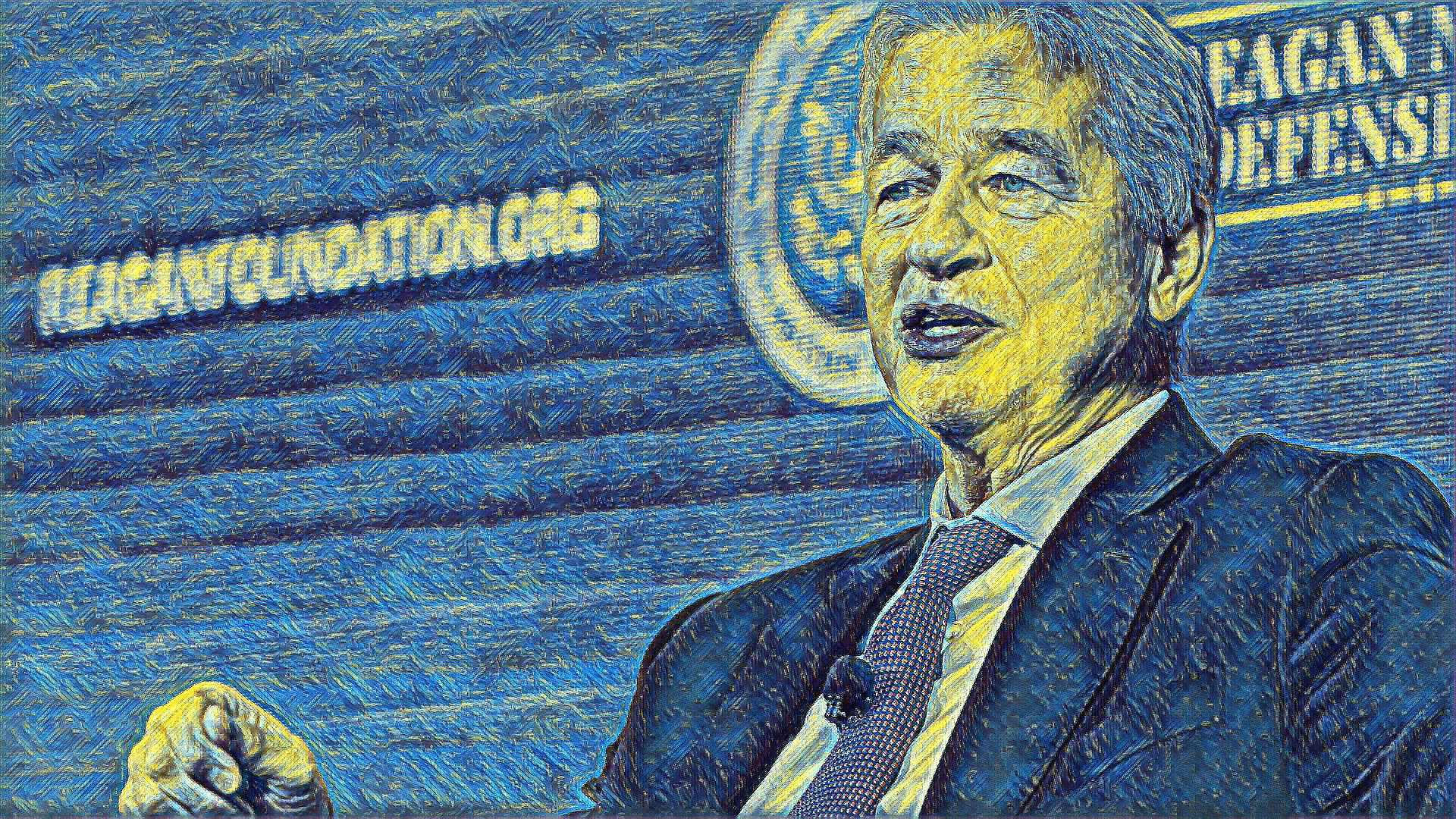
Ken Griffin, CEO of Citadel LLC, warned that the global economy faces an inevitable recession if the Strait of Hormuz remains closed for an extended period, estimating the impact over six to twelve months. Griffin stated that such a crisis would necessitate a massive, urgent global shift toward alternative energy sources, including wind, solar, and nuclear power. He cautioned that current investor optimism is highly contingent on the duration of geopolitical conflicts in the Middle East. Furthermore, Griffin pointed out that global economies, especially those in Asia, remain acutely vulnerable to elevated oil prices, which are currently priced significantly higher than pre-conflict levels.

Sandisk: Evercore ISI Targets $2,600 Amid AI Data Storage Boom
Business

Sandisk: Evercore ISI Targets $2,600 Amid AI Data Storage Boom

Evercore ISI has initiated coverage on Sandisk (SNDK) with an 'Outperform' rating, highlighting the company's strong correlation with the Artificial Intelligence (AI) boom. The firm set an initial price target of $1,200, but presented a more aggressive bull case target of $2,600. Analysts believe Sandisk is highly positioned within the data storage segment of the AI infrastructure stack, where demand is accelerating and supply is constrained. Further growth drivers identified include a strategic shift toward enterprise SSDs, increased cloud exposure, and sustained pricing power. Additionally, Evercore anticipates margin expansion and the commencement of capital return programs via stock buybacks.

Trump on Gas Prices: Stable or Higher Amid Middle East Oil Crisis
World

Trump on Gas Prices: Stable or Higher Amid Middle East Oil Crisis

Following failed peace negotiations between the U.S. and Iran, the U.S. Navy established a blockade of Iranian ports in the Strait of Hormuz, a critical global oil passage. This geopolitical action has caused major disruptions to the global oil supply chain, driving up crude oil prices. As a result, the U.S. national average gas price has risen sharply, reaching $4.12 per gallon, which is nearly 14% higher than a month ago. Former President Donald Trump commented on the situation, predicting that gas prices could remain stable or potentially increase slightly before the midterm elections. These events highlight the strong correlation between international conflict and volatile global energy markets.

Europe Faces 'Systemic' Jet Fuel Shortage Due to Strait of Hormuz Tensions
World

Europe Faces 'Systemic' Jet Fuel Shortage Due to Strait of Hormuz Tensions

European aviation faces a significant risk of a 'systemic' jet fuel shortage, primarily due to geopolitical tensions surrounding the Strait of Hormuz. The instability, linked to the conflict between the U.S., Israel, and Iran, has caused supply disruptions and led to a U.S. naval blockade of Iranian ports. Market indicators show severe financial strain, with jet fuel prices spiking 103% month-on-month. Major European airlines, including SAS, Ryanair, and Wizz Air, are responding by announcing flight cancellations, reducing capacity, and implementing higher ticket surcharges. Experts warn that the crisis is a global market issue, threatening the vital summer travel season and impacting economies across Asia and Europe alike.

Study Links Ultraprocessed Foods to Fatty Muscles and Knee Osteoarthritis Risk
Health

Study Links Ultraprocessed Foods to Fatty Muscles and Knee Osteoarthritis Risk

A study published in *Radiology* established a strong correlation between the consumption of ultraprocessed foods (UPFs) and the accumulation of intramuscular fat in the thigh muscles. Researchers found that this fat accumulation occurs regardless of the individual's total caloric intake, suggesting a dietary pattern issue rather than just weight gain. This fatty muscle infiltration weakens the supporting structures of the knee joint, significantly increasing the risk of developing knee osteoarthritis (OA). Experts caution that UPFs are linked to broader chronic diseases and advise that mitigating this risk requires reducing UPF intake and increasing protein from natural sources. Furthermore, maintaining muscle strength through low-impact exercises targeting the quads, hamstrings, and glutes is crucial for joint stability.

Lebanon Ceasefire Talks: US Diplomatic Push Amid Israel-Hezbollah Conflict
World

Lebanon Ceasefire Talks: US Diplomatic Push Amid Israel-Hezbollah Conflict

The conflict between Israel and Hezbollah in Lebanon remains highly volatile, prompting diplomatic efforts in Washington, D.C., to negotiate a potential ceasefire. The fighting has resulted in over 2,000 deaths since March 2. The current escalation followed Hezbollah resuming firing at Israeli territory, which occurred after an alleged airstrike in late February. Historically, the conflict dates back to the 1982 Israeli invasion of Lebanon. Despite a ceasefire brokered in November 2024, Israeli forces continued strikes, leading to renewed fighting. Diplomats are now meeting to address the deep-rooted tensions and prevent further bloodshed.

Iran War, Oil Surge, and 'Mag 7' Slump: Navigating Market Volatility
Markets

Iran War, Oil Surge, and 'Mag 7' Slump: Navigating Market Volatility

The current investment environment is characterized by significant volatility, driven by multiple macroeconomic and geopolitical factors. Key risks include the surge in oil prices stemming from geopolitical tensions, such as the conflict involving Iran, which threatens stagflation. Furthermore, major technology stocks, previously seen as market pillars, are underperforming, adding to investor concern. These challenges are compounded by the uncertainty surrounding upcoming mid-term elections. To help investors navigate this complex landscape, financial experts are providing specialized sessions offering personalized strategies aimed at achieving long-term financial stability and independence.

US Wholesale Inflation (PPI) Hits 3-Year High in March Amid Oil Surge
Markets

US Wholesale Inflation (PPI) Hits 3-Year High in March Amid Oil Surge

Wholesale inflation in the U.S. reached a three-year high of 4% in March, according to the Bureau of Labor Statistics. This surge was largely attributed to sharp increases in energy costs, particularly gasoline prices, linked to geopolitical instability in the Middle East. However, the overall rate was tempered by falling food prices and stable service costs, resulting in a figure better than consensus economic forecasts. When excluding volatile sectors like energy and food, the core PPI rose only 0.1% month-over-month, maintaining an annual rate of 3.8%. The report highlights the PPI's role as a key indicator, especially when compared to the recent CPI data, which showed annual consumer price increases of 3.3%.

IMF Warns: UK Faces Biggest Growth Hit from Middle East Conflict
World

IMF Warns: UK Faces Biggest Growth Hit from Middle East Conflict

The International Monetary Fund (IMF) has issued a warning that the ongoing geopolitical instability, particularly related to the Iran conflict, is expected to hit the UK's economy harder than other rich nations. According to the latest World Economic Outlook, the IMF projects the UK's growth rate will fall to 0.8% in 2026, representing the largest projected decline among G7 economies. The report contrasts this with stronger forecasts for the US (2.3%) and Spain (2.1%). The IMF warned that a protracted Middle East conflict, coupled with high public debt and geopolitical fragmentation, poses significant risks to the global economy. To stabilize the global environment, the IMF urged nations to prioritize international cooperation and maintain stable policy frameworks.

Citigroup Upgrades U.S. Stocks: Key Sectors After Iran Tensions Ease
Markets

Citigroup Upgrades U.S. Stocks: Key Sectors After Iran Tensions Ease

Citigroup has upgraded its rating on U.S. stocks to 'Overweight,' basing its recommendation on the expectation that the conflict between the U.S. and Iran will eventually cease. This optimistic view is corroborated by BlackRock, which also moved to an overweight rating, citing the reopening of trade flows through the Strait of Hormuz. The bank advises investors to focus on three key sectors: materials, healthcare, and technology. Specific stocks recommended include LyondellBasell and Dow in materials, and tech giants like Nvidia and Alphabet, which are noted for their recent gains.

Treasury Secretary Bessent: Fed Should Wait on Rate Cuts Amid Oil Surge
Business

Treasury Secretary Bessent: Fed Should Wait on Rate Cuts Amid Oil Surge

U.S. Treasury Secretary Scott Bessent has advised the Federal Reserve to pause efforts to lower interest rates, citing the volatility caused by the surge in global oil prices. This advice represents a notable reversal from Bessent's previous calls for the Fed to hasten rate cuts to boost economic growth. The shift in policy recommendations is attributed to the difficulty the central bank faces in balancing rising inflation against slowing growth amid geopolitical instability, particularly the conflict in Iran. Furthermore, the discussion highlighted significant political headwinds surrounding the Fed, including the expiration of Chair Jerome Powell's term and ongoing Senate battles over his successor's confirmation.

Analysts Upgrade Apple, GM, Crocs, and Tech Giants
Business

Analysts Upgrade Apple, GM, Crocs, and Tech Giants

Investment banks issued a wave of rating upgrades and initiations on Tuesday, signaling optimism in structural growth areas like AI and consumer staples. Technology giants, including Alphabet and Apple, remain key focuses, with analysts pointing to strong catalysts in cloud services and product updates. In the automotive sector, General Motors and Ford received upgrades, while Tesla was adjusted to a 'Neutral' rating, suggesting market sentiment is currently outweighing fundamentals. Consumer brands like Crocs and VF Corp benefited from positive outlooks on improving demand, while healthcare companies like Biogen and Janus Living were highlighted for their strong sector fundamentals. Overall, the reports suggest a cautious but optimistic view of long-term growth potential across multiple industries.

NATO Chief Warns UK Defense 'In Peril' Over Starmer's Spending Priorities
Politics

NATO Chief Warns UK Defense 'In Peril' Over Starmer's Spending Priorities

Former NATO chief George Robertson has publicly warned that the UK's national defense is in peril, accusing Prime Minister Keir Starmer of 'corrosive complacency.' Robertson argues that the government is misallocating resources, prioritizing an expanding welfare budget over essential defense investments. This criticism stems from a strategic review Robertson co-authored, which concluded that decades of underinvestment have left the UK dangerously unprepared for conflict. While the government promised a comprehensive overhaul, the plan remains delayed. Robertson's warnings emphasize the urgent need to rebuild military capacity and infrastructure, noting that the window for preparation is reportedly much shorter than anticipated.

JPMorgan Earnings Beat; Oracle Boosts Bloom; Markets React to Iran Peace Hopes
Business

JPMorgan Earnings Beat; Oracle Boosts Bloom; Markets React to Iran Peace Hopes

Financial markets experienced positive gains, driven by investor optimism concerning a potential peace deal between the U.S. and Iran, despite ongoing maritime blockades. Major financial institutions reported strong quarterly results; JPMorgan Chase and Citigroup both exceeded analyst expectations for earnings and revenue. In the technology sector, Oracle significantly boosted Bloom Energy's stock price by announcing an expanded partnership and a substantial investment warrant valued at over $300 million. On the political front, Representative Eric Swalwell resigned from Congress due to misconduct allegations, while Representative Tony Gonzales announced his retirement. Separately, Delta Airlines revealed plans to upgrade its premium Delta One suites for deployment on A350-1000 aircraft starting in 2027.

Kevin Warsh's Wealth: Trump Nominee for Fed Chair Role
Business

Kevin Warsh's Wealth: Trump Nominee for Fed Chair Role

Financial disclosure forms have revealed the significant wealth of Kevin Warsh, who is nominated by Donald Trump to succeed Federal Reserve Chair Jerome Powell. Warsh's estimated personal assets range from $131 million to $209 million, excluding additional holdings by his wife. This valuation places him in a financial bracket far above recent Fed Chairs. For comparison, Powell's most recent 2025 filing showed wealth between $19 million and $75 million. The disclosures suggest Warsh could become the wealthiest Fed Chair in the organization's history, highlighting the considerable financial profile of the nominee.

BlackRock Profit Jumps: Active ETFs and Fees Drive Q1 Gains
Business

BlackRock Profit Jumps: Active ETFs and Fees Drive Q1 Gains

BlackRock reported a notable increase in first-quarter profits, attributing the growth to strong capital inflows into its active ETFs and higher performance fees. The asset manager reported total net inflows of $130 billion in Q1, while its total Assets Under Management (AUM) grew to $13.89 trillion, up from $11.58 trillion year-over-year. Strategically, BlackRock signed an agreement with Saudi Arabia's sovereign wealth fund to explore infrastructure projects in the Middle East. Despite these positive financial indicators, the company's stock has declined year-to-date, mirroring broader market pressures. The S&P 500 index also showed a decline of 4.6% during the first quarter.

J&J Q1 Earnings Beat Estimates Despite Stelara Sales Decline
Business

J&J Q1 Earnings Beat Estimates Despite Stelara Sales Decline

Johnson & Johnson reported first-quarter earnings that beat Wall Street expectations, driven by robust sales of key pharmaceuticals. The company posted $24.1 billion in revenue, up nearly 10% year-over-year, and reported adjusted EPS of $2.70. Growth was primarily fueled by strong demand for Darzalex and Tremfya, which significantly outperformed analyst predictions. However, the quarter was marked by a steep decline in Stelara sales, which lost patent protection and faced biosimilar competition. Despite this challenge, J&J raised its full-year 2026 revenue forecast to $100.8 billion. Furthermore, the company voiced concerns over proposed MFN drug pricing deals, warning that such policies could negatively impact patient access and innovation.

GOP Campaigns Target Tax Relief in Midterm Election Districts
Politics

GOP Campaigns Target Tax Relief in Midterm Election Districts

House Republicans, through the National Republican Congressional Committee (NRCC), have launched a digital ad campaign in 14 competitive districts, promoting tax cuts such as eliminating taxes on tips and overtime pay. These efforts are framed by the GOP as delivering significant economic relief to working families. Meanwhile, the Democratic Congressional Campaign Committee (DCCC) is countering this narrative by running targeted ads that criticize the Republican handling of inflation and soaring gas prices. The election remains highly focused on economic stability, with voters concerned about affordability and the impact of the Iran war. Despite Republican efforts to maintain their majority, prediction markets currently suggest a strong advantage for the Democrats in the race for the House of Representatives.

Trump DOJ Report Accuses Biden of Biased Prosecutions Against Anti-Abortion Protesters
Politics

Trump DOJ Report Accuses Biden of Biased Prosecutions Against Anti-Abortion Protesters

The Trump Justice Department released a report accusing the Biden administration of biased and politically motivated prosecutions, specifically concerning the enforcement of the FACE Act against anti-abortion protesters. The report alleges misconduct, including withholding evidence, attempting to screen jurors, and applying disproportionately harsh sentences to anti-abortion activists. In response, the Biden DOJ defended its actions, asserting that its focus was on public safety and the even-handed enforcement of law. The report also highlighted the firing of several prosecutors involved in the FACE Act cases. While the report lacks legal weight, it has fueled a major debate regarding the perceived objectivity of the U.S. justice system.

JPMorgan Chase Q1 Earnings: Key Metrics and Market Expectations
Business

JPMorgan Chase Q1 Earnings: Key Metrics and Market Expectations

JPMorgan Chase is set to release its first-quarter earnings report on Tuesday, providing a crucial assessment of the banking sector's health. Analysts are expecting the firm to report earnings of $5.45 per share on total revenue of $49.17 billion. The report is highly significant as it offers insight into consumer and corporate spending amid global economic concerns. Market attention is focused on the potential impacts of AI disruption, private credit risks, and geopolitical instability in the Middle East. Investors are particularly awaiting CEO Jamie Dimon's commentary regarding the credit cycle and the bank's forward-looking economic outlook.

Harvard Expert Estimates Iran Conflict Could Cost $1 Trillion
World

Harvard Expert Estimates Iran Conflict Could Cost $1 Trillion

Harvard Kennedy School expert Professor Linda Bilmes warns that the true financial cost of a potential conflict with Iran could reach $1 trillion for U.S. taxpayers. Her analysis critiques the Pentagon's cost assessment methods, arguing that official figures rely on historical inventory values rather than the actual, current replacement cost of military assets. Bilmes estimates that the short-term cost of a 40-day conflict could be around $2 billion per day. She points to a significant disparity in asset costs, noting that U.S. interceptors cost millions to replace, while comparable enemy drones cost only tens of thousands. These factors, she argues, mean that the actual financial burden of the conflict is substantially higher than government reports suggest.

Hormuz Blockade and Russian Oil Waiver Expiry Threaten India's Energy Security
World

Hormuz Blockade and Russian Oil Waiver Expiry Threaten India's Energy Security

Geopolitical tensions have created a severe energy supply crisis for India. The situation was exacerbated by the United States initiating a blockade of ships entering and exiting Iranian ports via the critical Strait of Hormuz. Simultaneously, the expiration of the U.S. waiver allowing the purchase of Russian crude oil removed another major source of global energy supply. Experts warn that this dual shock places immense pressure on India, which imports over 85% of its crude oil needs. With limited domestic reserves, the supply disruptions are already impacting the Indian economy, leading to warnings of potential downside risks to the country's growth forecast.