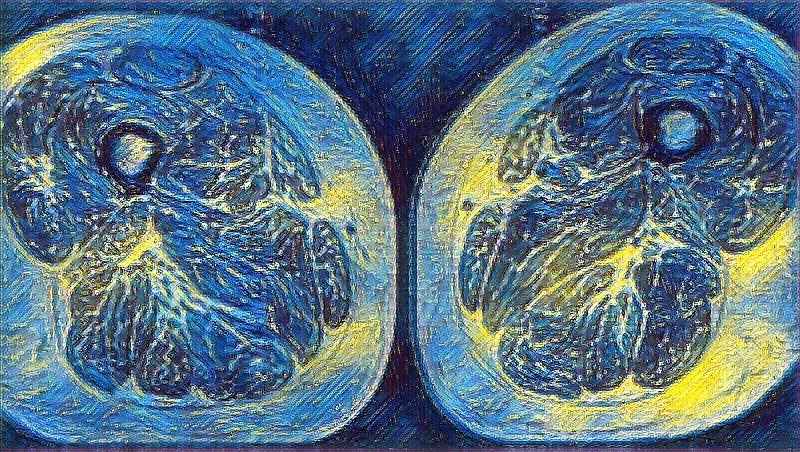
A new study published in the journal Radiology reveals a strong correlation between high consumption of ultraprocessed foods (UPFs) and the accumulation of intramuscular fat in the thigh muscles, a condition linked to increased risk of knee osteoarthritis.
The Link Between Diet and Muscle Degradation
Researchers analyzed MRI scans from 615 participants who had no pre-existing signs of knee osteoarthritis. The findings suggest that the type of diet, rather than just total calorie intake, is a critical factor in muscle health.
- Intramuscular Fat: The study highlighted that high UPF consumption leads to visible fat marbling within the muscle fibers of the thigh. This accumulation of fat is considered a sign of compromised muscle quality.
- Mechanism: Fat cells can impede muscle growth and regeneration, leading to weak muscles. Weak thigh muscles place increased mechanical stress on the knee joint, which is a primary driver of knee osteoarthritis (OA).
Understanding Knee Osteoarthritis and Muscle Strength
Knee osteoarthritis is the most common form of joint disease globally. While often associated with age, recent research indicates that a significant number of new cases occur in individuals under 55, potentially driven by global obesity rates.
- Muscle Importance: Thigh muscles (quads, hamstrings, glutes) are crucial for maintaining knee joint stability. Any loss of strength or tone in these muscles can exacerbate joint stress.
- Systemic Impact: Experts note that fat infiltration in the thigh muscles is not isolated; it suggests a systemic process affecting other major muscle groups, including the calves, shoulders, and abdomen.
Study Findings and Dietary Patterns
The research confirmed that the degree of UPF consumption was strongly associated with muscle fat accumulation, irrespective of the participant's overall caloric intake.
- Key Finding: The more ultraprocessed foods consumed, the greater the amount of intramuscular fat observed in the thigh muscles.
- Dietary Concerns: UPFs are already linked to weight gain, obesity, and the development of chronic conditions such as cardiovascular disease, Type 2 diabetes, and depression.
- Calorie Independence: The study emphasized that the correlation between UPF intake and muscle fat was observed even when comparing individuals with similar Body Mass Indexes (BMIs).
Recommendations for Joint and Muscle Health
Experts advise adopting lifestyle changes to mitigate the risk of OA and improve muscle quality. These recommendations focus on diet, exercise, and awareness:
- Nutrition: Focus on consuming whole, natural foods and ensuring adequate protein intake from natural sources, rather than relying on processed protein bars or supplements.
- Exercise: Low-impact exercises are recommended to protect the knee joint. Specific exercises should target the muscles surrounding the knee, including:
- Wall squats
- Step-up exercises
- Standing leg lifts
- Calf and heel raises
- Prevention Strategies: To reduce UPF intake, experts suggest:
- Reading and comparing product labels to choose less processed alternatives.
- Prioritizing whole grains, fresh vegetables, beans, and legumes.
- Replacing sugar-sweetened beverages with water.
- Opting for local restaurants over fast-food chains when dining out.