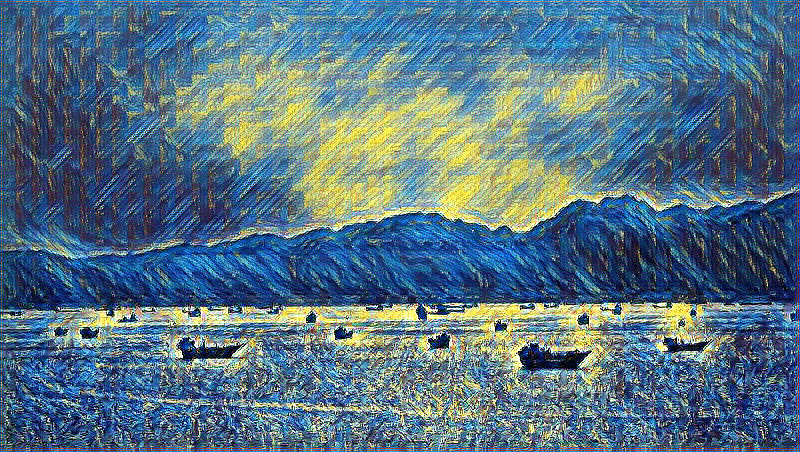
The Strait of Hormuz remains a critical geopolitical flashpoint, with recent reports noting the passage of American-flagged merchant vessels through the waterway. This strait's strategic importance is underscored by its impact on global energy markets and its complex geological formation.
Geopolitical Significance and Global Impact
The Strait of Hormuz is frequently cited as a major obstacle in regional tensions, particularly concerning the US and Iran. Its potential disruption has significant global economic ramifications:
- Oil Prices: Any blockage or instability in the strait has historically caused global oil prices to surge.
- Inflation: The disruption highlights the waterway's critical role in maintaining global economic stability.
Geological Formation of the Strait
Experts link the strait's existence directly to massive tectonic activity, which also contributed to the region's vast oil reserves. The formation process is ancient and complex:
- Tectonic Collision: Approximately 35 million years ago, the Arabian tectonic plate began colliding with the Eurasian plate.
- Oceanic Change: This collision caused the shrinking of the ancient Tethys Ocean, which once separated the supercontinents of Laurasia and Gondwana.
- Mountain Building: The immense pressure from the colliding plates crumpled the land, resulting in the formation of the Zagros Mountains in Iran.
- Strait Formation: The weight and movement of these plates depressed a section of the Arabian plate, leading to the emergence of the Strait of Hormuz.
Oil Formation Context
National Geographic notes that before the collision, the Arabian plate lay below sea level, creating ideal conditions for hydrocarbon accumulation:
- Sedimentation: Marine life remains settled on the seabed, trapped between layers of silt and sand.
- Geological Process: Over millions of years, intense heat and pressure transformed these organic remains into crude oil.
Expert Analysis on Strategic Value
Geopolitical analysts emphasize the waterway's inherent strategic value, suggesting that natural geography can counterbalance military might. Tim Marshall, author of Prisoners of Geography, commented on this point, stating: "You can have the most powerful military the world has ever seen but standing in its way will be nature." He also referenced historical accounts, noting the Assyrians called the Persian Gulf 'The Bitter Sea.'