Social Media Reshaping India's Market for Global Brands
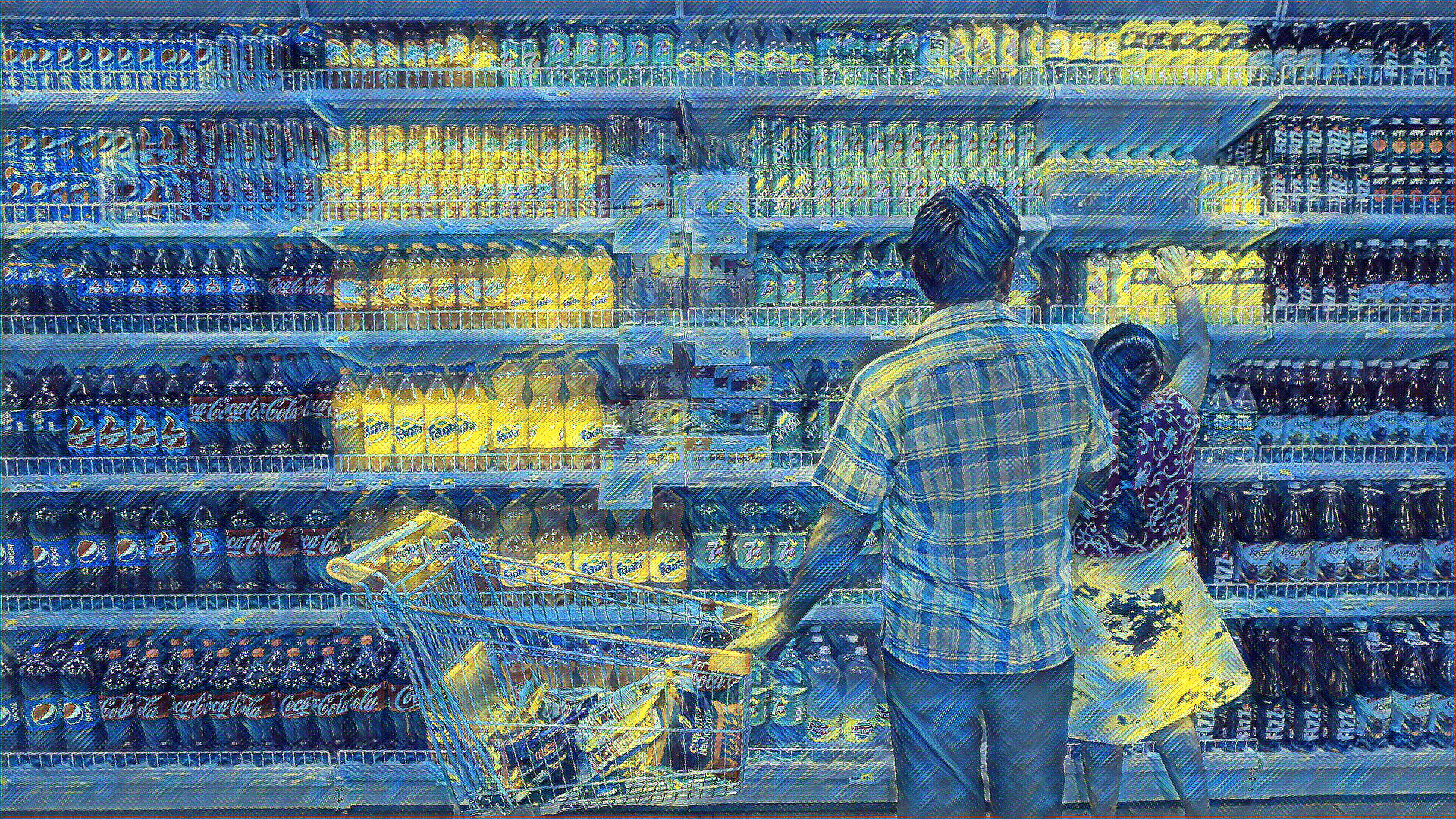
Social media is fundamentally reshaping India's consumer goods market, shifting consumer trust from celebrity endorsements to community-verified authenticity. This has placed significant pressure on large global brands to reformulate products, particularly in the packaged food and beverage sector, by reducing sugar content. Regulatory bodies are also increasing oversight, restricting misleading health claims on labels. Consequently, Direct-to-Consumer (D2C) brands, which emphasize ingredient transparency and clean labels, are gaining traction. This dynamic signals a major strategic pivot for established companies operating in India's rapidly growing consumer market.
Ad slot
Social media influencers are fundamentally altering India's packaged food and beverage sector, compelling major global brands to prioritize healthier formulations or risk losing consumer trust to new entrants.
The Shift in Consumer Trust and Brand Pressure
The influence of social media has redirected consumer trust away from traditional celebrity endorsements toward what experts call "community-verified trust." This shift is forcing multinational corporations to overhaul their product lines.
Consumer Scrutiny: Influencers are actively encouraging consumers to read and scrutinize product labels, leading to increased public awareness regarding ingredients and nutritional content.
Industry Response: Major players are reacting to this pressure by reformulating products. For instance, PepsiCo India stated that over 50% of its beverage portfolio already consists of low- to no-sugar options, with plans to scale this to 90% over time.
Brand Accountability: Several established brands, including those owned by Mondelez and Dabur, have faced public scrutiny via viral social media content regarding sugar levels, prompting visible changes in their formulations.
Regulatory Scrutiny and Health Concerns
Ad slot
The regulatory environment is also tightening in response to consumer advocacy. The Indian food safety regulator has taken action against misleading claims:
Labeling Restrictions: Notices have been issued barring malt-based beverages from using the "health drinks" branding.
Juice Claims: Food companies are restricted from claiming "100% fruit juice" for beverages that contain added sugars.
Public Health Context: These concerns are amplified by India's public health profile, with estimates indicating a significant population dealing with diabetes and obesity, making the demand for healthier options widespread.
The Rise of Direct-to-Consumer (D2C) Brands
While large corporations maintain dominance through extensive offline distribution, the digital landscape is empowering smaller, specialized brands. Experts note that online marketplaces and social media are leveling the playing field, boosting D2C models.
Consumer Empowerment: Consumers are becoming more ingredient-aware, actively checking labels for efficacy and composition.
D2C Advantage: D2C brands are capitalizing on this heightened awareness by promoting transparency, often featuring "clean label products"—those with short, simple ingredient lists free from additives.
Market Outlook: Industry analysts suggest that this trend is a major growth lever, predicting that traditional brands failing to adapt to consumer demands will face obsolescence.