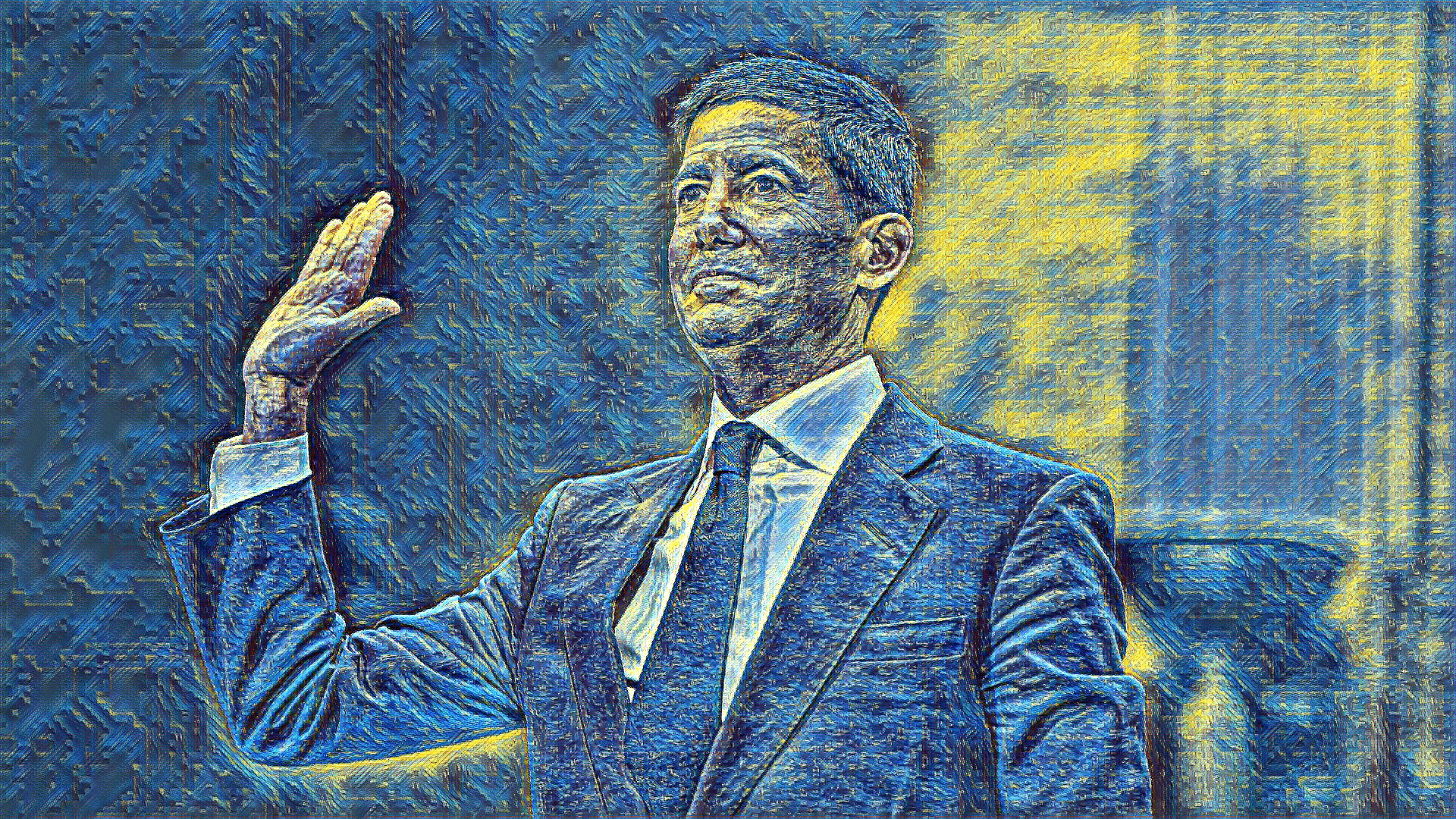
Senate Confirms Kevin Warsh as Fed Governor, Clearing Chair Vote
The Senate confirmed Kevin Warsh as a Federal Reserve Governor following a 51-45 vote, clearing the path for a vote on the Fed Chair position scheduled for Wednesday. Warsh, who has served since 2006, is set to succeed Jerome Powell, whose chairmanship ends Friday, though Powell remains on the board until 2028. The confirmation occurs amid economic challenges, including inflationary pressures from geopolitical tensions and tariffs. Warsh has publicly advocated for policy changes, such as lowering interest rates, while market expectations remain focused on potential rate adjustments.
Ad slot
Senator Kevin Warsh secured confirmation as a Federal Reserve Governor following a Senate vote, paving the way for a potential vote on the Fed Chair position on Wednesday. The confirmation vote passed on a largely party-line basis, marking a significant procedural step for the nominee.
Senate Confirmation Details
The upper chamber voted to approve Warsh's nomination with a margin of 51-45.
The vote was conducted on a mostly party-line basis.
Senator John Fetterman (D-Pa.) was noted as the sole instance of a cross-party vote supporting the nomination.
Warsh's Role and Tenure
Warsh, who has served on the Board of Governors since 2006, is set to assume a role that will conclude Stephen Miran's brief tenure.
Governor Terms: Governors serve terms of 14 years.
Chair Term: The Chair serves a four-year term.
Board Changes: Warsh's confirmation also concludes the service of Stephen Miran, who was a Trump nominee and filled a vacancy left by Adriana Kugler's resignation in August 2025.
Ad slot
Transitioning Leadership
Assuming confirmation, Warsh (age 56) is positioned to succeed Jerome Powell as Fed Chair.
Powell's eight-year tenure as Chair is scheduled to officially end on Friday.
However, Powell's overall board term does not conclude until 2028, and he plans to remain until an investigation into a renovation project at the Fed headquarters is finalized.
Economic Context and Policy Outlook
Warsh joins the Federal Reserve during a period of notable economic uncertainty and inflationary pressure.
Inflationary Pressures: Factors such as the conflict in Iran and tariffs implemented by the Trump administration have contributed to upward pressure on inflation, pushing headline numbers to their highest level in nearly three years.
Labor Market: The labor market has been characterized by a low-hire, low-fire environment, which has kept unemployment rates stable despite inconsistent payroll growth.
Warsh has publicly advocated for significant policy shifts at the Fed, including calls for a "regime change" and suggesting that the central bank's benchmark interest rate could be lowered. Despite these statements, current market expectations suggest the Fed may maintain its current stance, with elevated odds pricing in a potential rate hike.