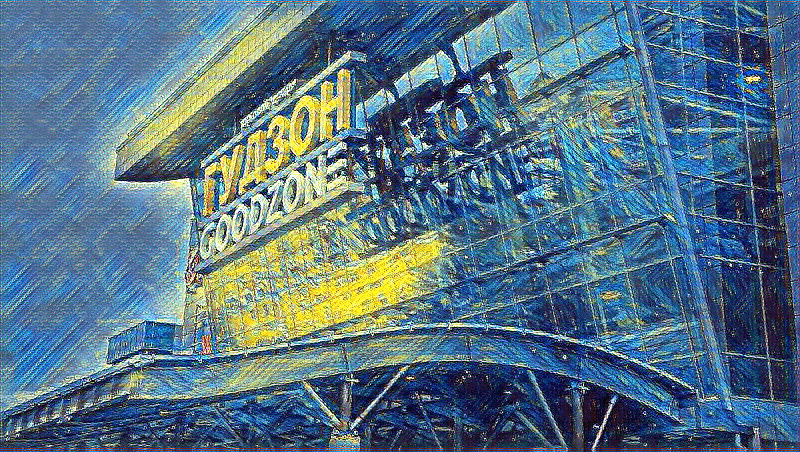
As visible signs of economic strain emerge in Moscow's commercial centers, reports indicate Russia's wartime economic momentum is faltering, prompting official acknowledgment of slowing growth. The once bustling retail landscape, exemplified by empty units in major malls, reflects deeper structural issues concerning over-reliance on military spending and dwindling reserves.
Economic Indicators Signal Slowdown
Russia's economy is showing clear signs of deceleration. Key indicators point to a contraction in economic activity:
- GDP Contraction: The Gross Domestic Product (GDP) contracted by 1.8% during the first two months of 2026.
- Official Acknowledgment: President Vladimir Putin acknowledged the slowdown during a government meeting in mid-April, demanding explanations for the falling macroeconomic trajectory.
- Expert Analysis: Analysts suggest the growth cycle, which heavily depended on military expenditures and oil exports, is reaching a natural conclusion due to depleted reserves and increased taxation.
Retail Reality: Empty Malls and Worker Concerns
The physical state of major shopping centers provides a stark visual contrast to the narrative of resilience. Workers at large venues report significantly reduced foot traffic.
- Goodzone Mall: Staff at the Goodzone mall in Moscow described the area as appearing "semi-apocalyptic," noting that transaction volumes were drastically lower than in previous years.
- Business Impact: Employees reported that while many businesses adapted to online sales during the pandemic, the full-scale invasion of Ukraine in 2022 marked a turning point, leading to decreased purchasing power.
- Operational Strain: Store owners mentioned struggling to meet increased tax demands, citing difficulties in collecting revenue.
Policy Shifts and Economic Headwinds
The government has implemented significant fiscal changes, which experts suggest are necessary but signal a shift away from wartime spending boosts.
- Tax Increases: To boost revenue, Russia increased income and corporate taxes, and the Value-Added Tax (VAT) was hiked to 22% starting January 1, 2026.
- Reserve Depletion: Officials noted that while reserves were initially robust, they are now largely exhausted, complicating the macroeconomic situation.
- Energy Sector Challenges: Despite benefiting from high energy prices during the war, Ukrainian attacks targeting Russian supply chains, particularly refineries, have reduced export capacity.
Widening Inequality and Public Sentiment
Economic strain is manifesting as increased disparity among the population, even as some segments of wealth continue to grow.
- Wealth Concentration: Despite sanctions, reports indicate that the combined wealth of Russian billionaires increased by 11% over the past year.
- Cost of Living: Residents in areas like Golitsyno reported acutely feeling the pressure of surging prices, which are outpacing wage increases.
- Government Measures: The state has imposed restrictions, including internet and mobile phone outages, which have created logistical difficulties for commerce and daily life.