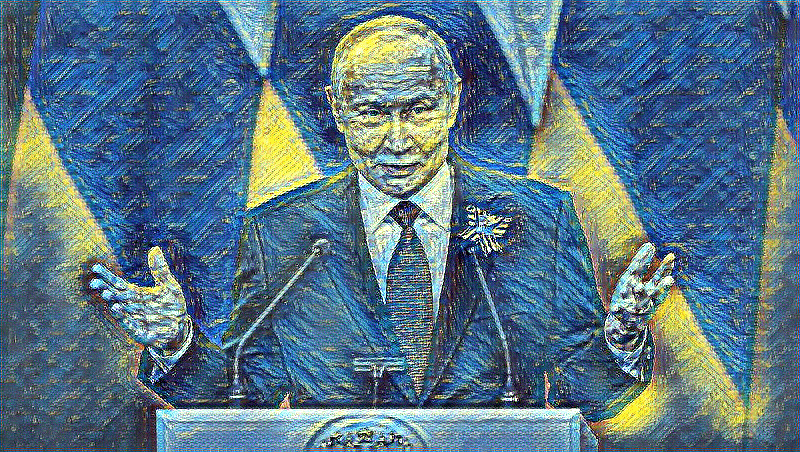
Russian President Vladimir Putin made a notable statement during the May 9 Victory Day parades, suggesting the conflict in Ukraine is nearing an end. This marks a departure from previous hardline rhetoric, prompting analysis regarding the Kremlin's internal and military pressures.
Putin's Unexpected Diplomatic Signal
During the commemoration of the Soviet victory over Nazi Germany, Putin stated that the Ukrainian conflict "was coming to an end." This comment was described as a significant shift, especially given the context of the ongoing military operations.
- Shift in Tone: Instead of demanding the continuation of the "special military operation" until its stated goals (demilitarization and securing Donbas) are met, Putin suggested a winding down of hostilities.
- Proposed Mediator: In a surprising development, he nominated Gerhard Schröder, a former German Chancellor, as a potential negotiator for direct talks with Europe.
Underlying Pressures on Russia
The perceived change in tone suggests that the Kremlin may be facing mounting internal and military challenges, undermining the narrative of inevitable victory.
Internal Dissatisfaction
- Elite Sentiment: Reports indicate that criticism regarding the war's duration, conduct, and significant human and economic costs is growing within the Russian elite.
- Manpower Concerns: The difficulty in recruiting sufficient personnel for assaults has been noted, suggesting strain on Russia's available manpower reserves.
Military Indicators
- Parade Contrast: The military parade itself reportedly lacked the maximalist display of force seen in previous years, featuring fewer visible military hardware assets.
- Economic Strain: The Russian economy is reportedly feeling significant strain, potentially pressuring the leadership to signal a path toward resolution.
Ukrainian Resilience and Modern Warfare
While Russia signals potential fatigue, Ukraine's capacity to sustain resistance appears to be adapting to modern battlefield realities.
- Drone Dominance: A key factor in the limited Russian progress on the front lines is attributed to Ukraine's effective use of unmanned aerial vehicles (drones) for attacking, resupplying, and intercepting Russian forces.
- International Support: Ukraine's ability to maintain its defense is bolstered by international support, allowing it to continue operations despite global distractions.
Conclusion: A Shifting Calculus
The confluence of internal dissent in Russia and Ukraine's demonstrated resilience suggests a complex strategic environment. While the Kremlin's narrative of endless resources is being questioned, the situation points toward a potential reassessment of the conflict's viability for all parties involved.