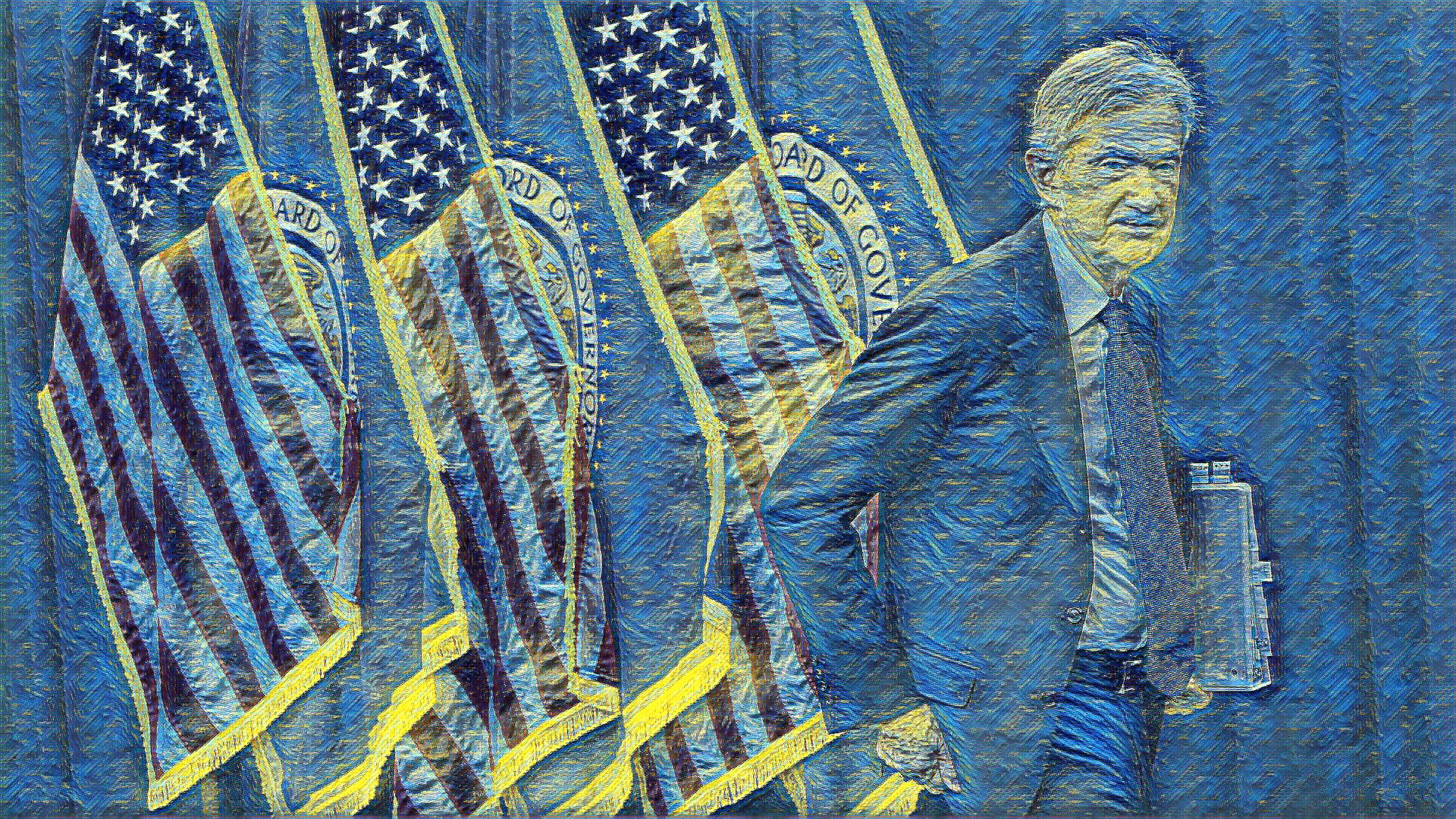
Federal Reserve Chair Jerome Powell announced he will remain an active voting member of the Board of Governors, a move with little historical precedent, setting a complex stage for incoming nominee Kevin Warsh. This decision impacts the anticipated transition of leadership and policy direction at the Federal Reserve.
Powell's Decision to Remain Active
Following the recent Federal Open Market Committee (FOMC) meeting, Powell confirmed his intention to stay on the Board. This decision aims to safeguard the Fed's independence against potential legal challenges from the Trump administration.
- Precedent: Powell's extended tenure is noted as being unusual in Fed history.
- Motivation: He stated his goal is to protect the Fed's autonomy, which Congress granted to set interest rates independently of political influence.
- Context: Powell dismissed suggestions of a 'shadow chair' role, which had been floated previously to undermine his authority.
Policy and Governance Differences: Powell vs. Warsh
While both Powell and Warsh were appointed by Donald Trump, their approaches to Fed governance show notable differences, particularly regarding policy guidance and regional banks.
Forward Guidance
- Powell's Stance: He defended the use of 'forward guidance'—a method of signaling future policy intentions to markets.
- Warsh's Opposition: Kevin Warsh has publicly stated that he does not believe the Federal Reserve should offer forward guidance as it is currently practiced.
Regional Reserve Banks
Both figures acknowledged the need for potential reforms within the 12 regional reserve banks:
- Warsh's Proposals: Warsh expressed openness to reforms, such as residency requirements to ensure bank presidents represent their districts.
- Powell's Red Line: Powell indicated that while he is open to changes, he would strongly oppose the wholesale firing of regional Fed presidents, warning it could undermine the Fed's independent monetary policy-making ability.
Implications for the Transition
Powell's continued involvement effectively places him as a stabilizing force regarding ongoing political disputes, potentially overshadowing Warsh's initial policy stamp.
- Communication Strategy: Powell noted that communication strategies would be up to Warsh, as Warsh declined to commit to a press conference schedule mirroring Powell's.
- Policy Disagreements: A key policy point of contention arose when three Fed officials dissented from the FOMC statement, objecting to the perceived 'easing bias' amid inflation risks.
- Future Focus: The transition period is complicated by ongoing legal matters, such as the criminal investigation mentioned by the U.S. Attorney for the District of Columbia.