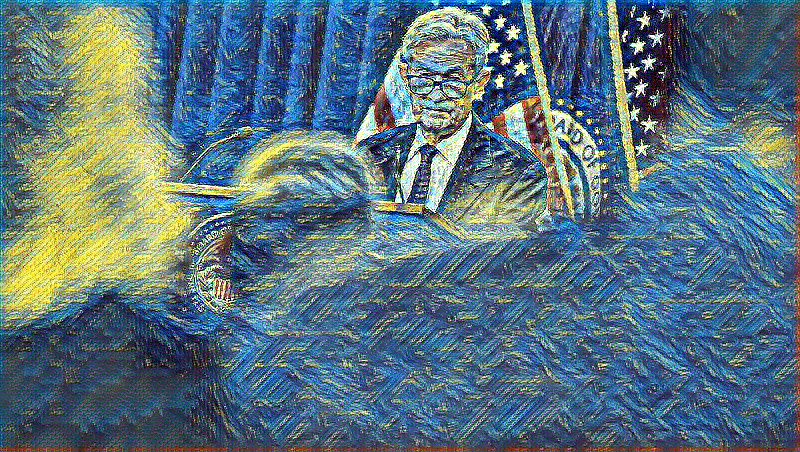
Federal Reserve Chair Jerome Powell's decision to remain on the Board of Governors marks a notable reversal for former President Donald Trump, suggesting his campaign against Powell has been strategically ineffective. Powell's decision to stay, following his term as Chair, has significant implications for the political dynamics within the Federal Reserve, undermining Trump's influence on the board.
Powell's Decision to Remain on the Board
- Powell announced he will remain a member of the Federal Reserve's Board of Governors after his term as Chair expires on May 15th.
- This makes him the first Chair since 1948 to opt to stay on the board after his term as Chair concluded.
- His gubernatorial term extends until 2028, allowing him to legally remain on the board.
- Crucially, this move diminishes Trump's current majority influence on the Fed board, which was composed of Trump's appointees.
Stated Motivations and Legal Concerns
Powell explicitly linked his decision to the sustained legal challenges mounted by the Trump administration against both him and the Federal Reserve.
- Powell stated his primary concern was the series of legal actions threatening the Fed's ability to conduct monetary policy free from political interference.
- He characterized these legal attacks as "unprecedented in our 113-year history."
- Powell indicated that the actions taken by the administration left him with no choice but to stay, despite having planned for retirement.