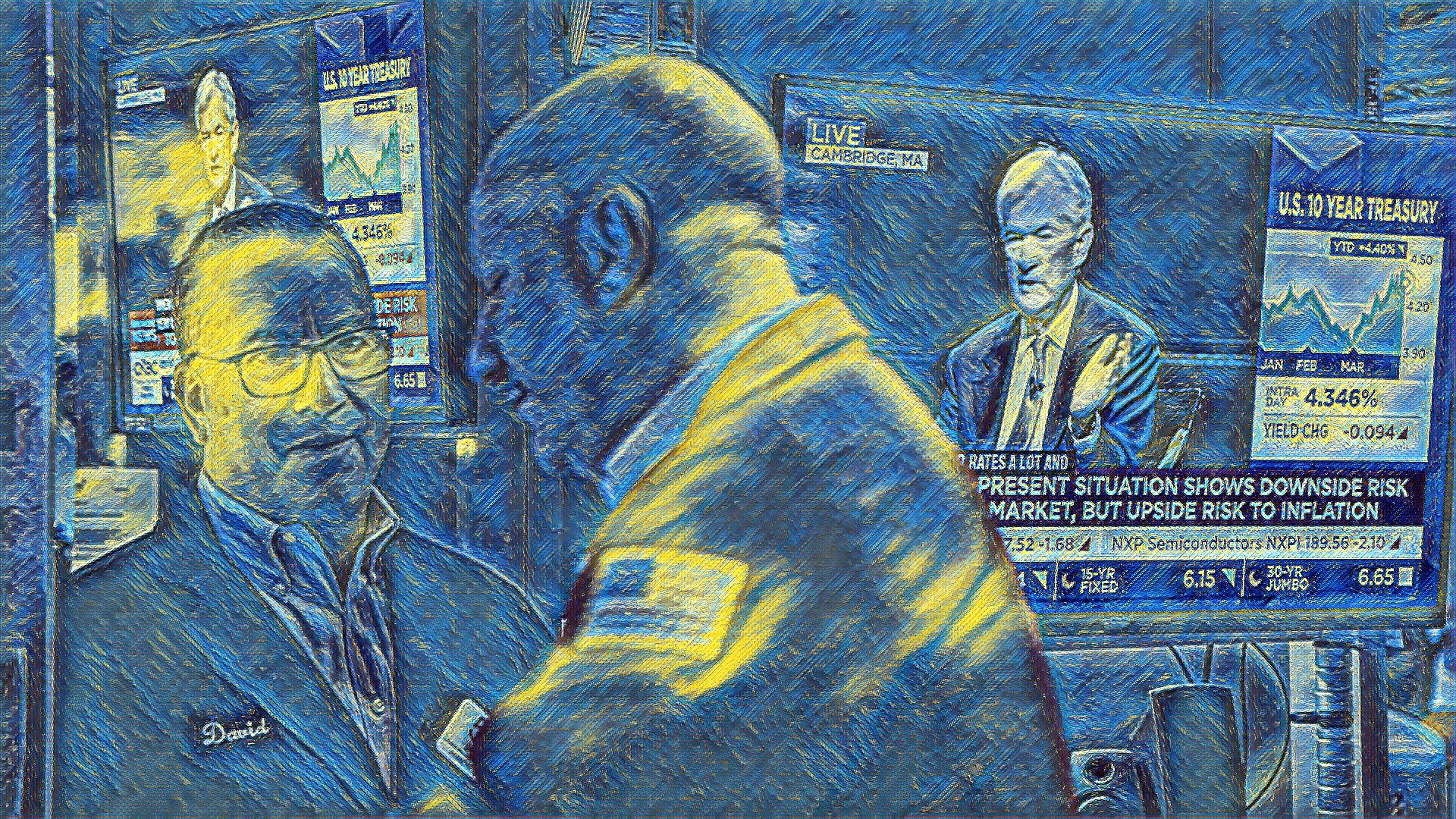
Following his tenure, analysis of Jerome Powell's time as Fed Chair revealed divergent market performances. Stock investors benefited from strong gains, with the S&P 500 showing a 14.7% annual increase, while the bond market lagged, returning under 2% annually. Critics pointed to Powell's handling of inflation and interest rates as a source of market headwinds. Conversely, proponents highlighted improved Fed transparency through regular press conferences. Furthermore, Powell's nominated successor, Kevin Warsh, has advanced through the Senate confirmation process.
Ad slot
As Federal Reserve Chair Jerome Powell concluded his tenure, investor analysis highlighted a stark divergence: equities performed strongly, while bond markets experienced weaker returns.
Stock Market Performance Under Powell
The stock market showed robust performance during Powell's time leading the Federal Reserve. Key findings regarding equity performance include:
S&P 500 Growth: The S&P 500 rallied at an annual rate of 14.7% under Powell, according to Bespoke Investment Group, marking the third-best performance for Fed chairs since 1970.
Dow Jones Industrial Average: CFRA Research noted that the Dow Jones Industrial Average climbed nearly 9% annually during his chairmanship.
Investor Sentiment: Some strategists noted that Powell's commitment to holding press conferences after every Fed decision enhanced market transparency, helping traders distinguish between market 'noise' and actual policy news.
Bond Market Performance and Inflation Concerns
Ad slot
In contrast to equities, bond investors faced a less favorable period. The Bloomberg US Aggregate Bond Index returned just under 2% annually during Powell's tenure, significantly below the 6.5% average recorded since the 1970s, according to Bespoke.
Inflation Headwinds: The primary challenge cited for bond markets was the high inflation following the COVID-19 pandemic, which prompted the Fed to raise benchmark lending rates as high as 5.5%.
Criticism: Powell has faced criticism regarding his handling of inflation and interest rates in recent years. One analyst noted that his early support for 'easy money' and zero interest rates contributed to market conditions that later led to inflationary pressures.
Market Analysis and Future Outlook
Despite the criticism regarding inflation management, some analysts pointed to positive aspects of Powell's tenure:
Transparency: The consistent communication from the Fed Chair was viewed positively by some market strategists.
Inflation Flexibility: Art Hogan suggested that the Fed's flexible view on inflation—allowing for hotter readings in some years if inflation dipped below 2% in others—was beneficial for market stability.
Succession: Separately, Powell's nominated successor, Kevin Warsh, was cleared by the Senate Banking committee, paving the way for a final confirmation vote.