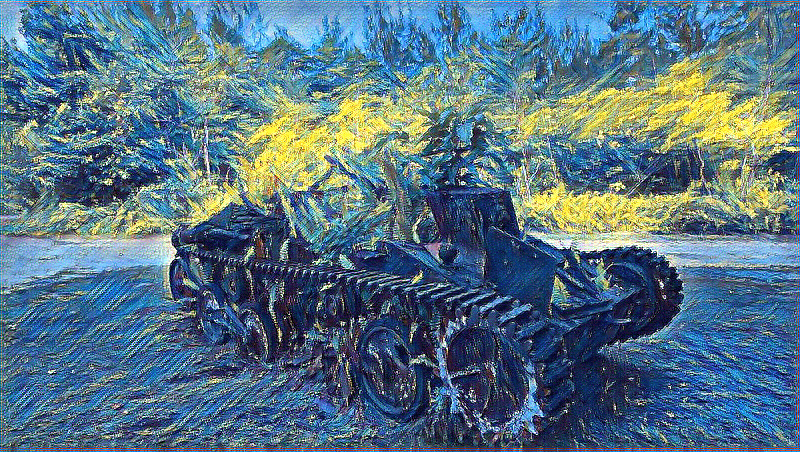
Peleliu Island: Site of Bloody WWII Pacific Battle
Peleliu, a Micronesian island in Palau, is a significant historical site marking one of the bloodiest and least remembered battles of the Pacific Theater during World War II. The battle, which began in September 1944, resulted in massive casualties for both American and Japanese forces. Today, the island serves as a memorial, with visitors touring preserved caves and honoring the fallen. Beyond the war's scars, Palau offers glimpses into traditional Palauan life, while the site continues to attract diverse tourists, including those interested in military history and gaming.
Ad slot
Peleliu, a lush Micronesian island in Palau, serves as a poignant, haunting memorial to one of the bloodiest and least remembered battles of the Pacific Theater during World War II. Today, the island attracts visitors drawn to the stark juxtaposition of tropical beauty and war devastation.
The Battle of Peleliu: A Brief Overview
When American forces arrived on Peleliu in September 1944, their objective was to neutralize a Japanese air base. What was anticipated to be a swift operation dragged on for months, transforming it into a brutal conflict.
Initial Assessment: After initial bombardments, US troops found the island seemingly clear.
Japanese Fortifications: Unknown to the Americans, the Japanese had established extensive underground cave networks, stocking them with supplies.
Conflict Duration: The battle extended far beyond initial estimates, becoming one of the grimmest engagements in the Pacific.
High Costs of Conflict
The fighting resulted in immense casualties for both sides. Estimates suggest:
Japanese Losses: Approximately 14,000 personnel.
American Losses: Around 10,000 personnel.
Beyond combat deaths, the conflict exacted a heavy toll from environmental factors and desperation. Casualties were also attributed to:
Extreme heatstroke and dehydration (temperatures exceeding 100°F).
Illness from contaminated water sources.
The Japanese later resorted to seppuku as top commanders faced defeat.
Ad slot
Historians note that the battle's necessity remains a subject of debate, with some accounts suggesting it was an unnecessary engagement.
Aftermath and Memorialization
The fighting is generally marked as concluding on November 24, 1944, the day Colonel Kunio Nakagawa, a lead Japanese commander, died. Today, the site is a place of remembrance:
Historical Sites: Tour guides lead visitors through the preserved caves, marked by Shinto stones bearing Japanese inscriptions.
Tributes: Some visitors leave Japanese flags or sakura flowers at the gravesites.
Modern Presence: The US military maintains a cemetery on Peleliu, featuring flower plantings that spell out "USA" when viewed from the air.
Palau: Context and Culture
Peleliu is part of Palau, a Micronesian nation located about 500 miles east of the Philippines. Palau gained independence in 1994.
History: The island chain has been controlled by various powers, including Japan, Spain, Germany, and the United States.
Local Life: Before the war, Palauan life centered around small villages, with decision-making conducted in the bai, a traditional men's house.
Modern Tourism: While the island is known for its natural beauty, the war remnants are prominent. The Belau Museum in Koror offers a broader view of Palauan history.
Evolving Tourism Interests
While the primary focus remains on the war's legacy, tourism is diversifying. In addition to Japanese visitors paying respects, a new market has emerged: gamers, due to Peleliu's status as a key location in video games like Call of Duty: World at War.