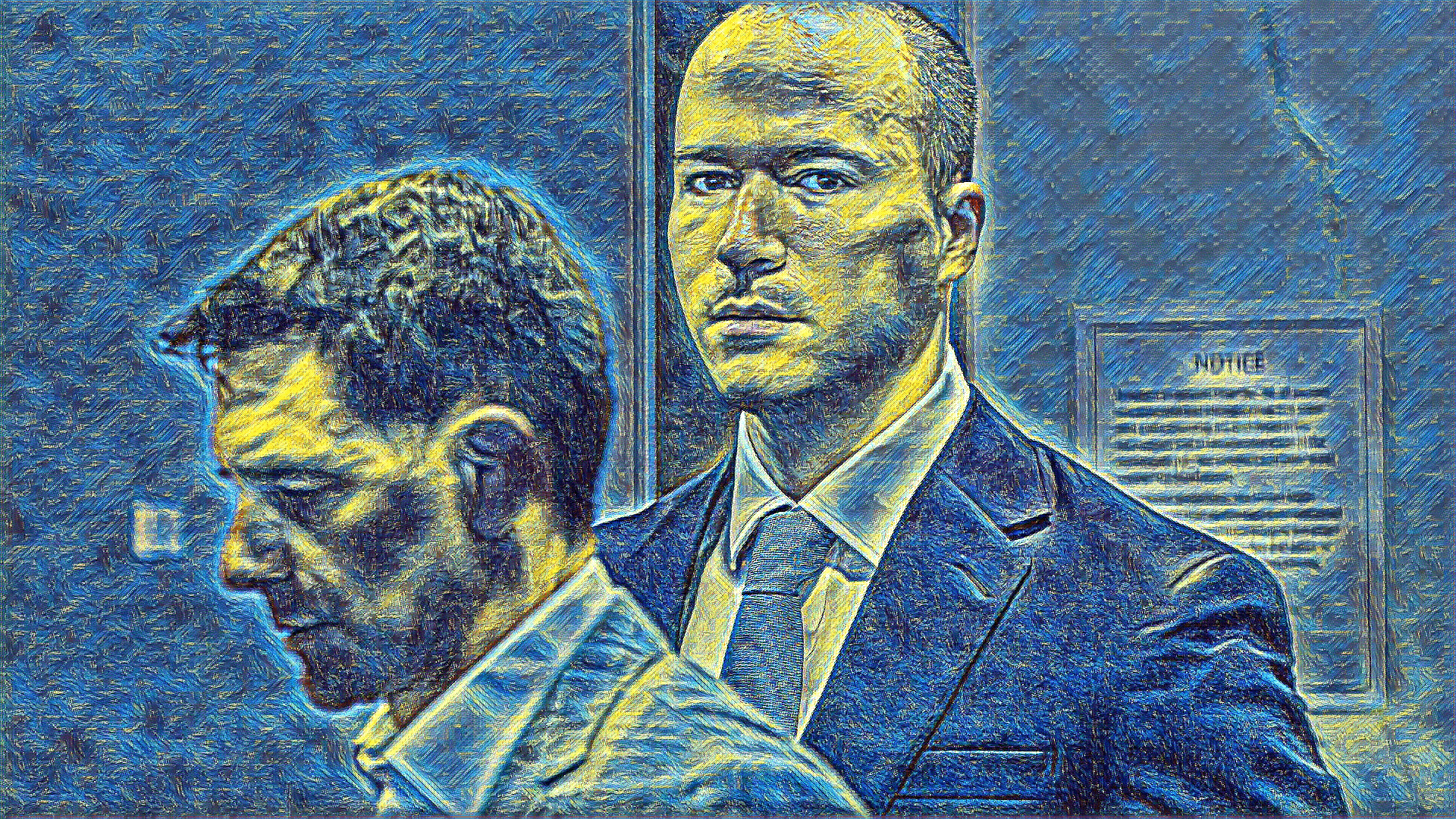
OpenAI President Greg Brockman testified on Tuesday, largely contradicting Elon Musk's account of the startup's early history and corporate agreements. Brockman asserted that OpenAI remains a nonprofit entity and denied making any commitments regarding the company's structure to Musk.
Key Testimony Highlights
During his testimony at the federal court in Oakland, California, Brockman addressed several points raised during Musk's lawsuit against OpenAI.
- Nonprofit Status: Brockman emphasized, "This entity remains a nonprofit," describing it as "the best-resourced nonprofit in the world."
- Corporate Commitments: He stated that he never made any commitments to Musk regarding the company's corporate structure, nor did he hear anyone else make such commitments.
Allegations and Counter-Claims
Musk initiated the lawsuit two years ago, alleging that OpenAI, Brockman, and CEO Sam Altman breached their commitment to maintaining the company as a nonprofit organization. Musk had previously accused Altman and Brockman of attempting to "steal a charity" during the first week of proceedings.
Brockman's testimony also revealed a different aspect of Musk's involvement:
- Work for Tesla: Brockman disclosed that Musk had enlisted several OpenAI employees to perform months of unpaid work for Tesla, Musk's electric vehicle company.
- Focus Area: This work was primarily related to overhauling Tesla's approach to developing self-driving technology, dating back to 2017.
Musk's Role and Influence
Musk had previously testified that the time, resources, and money he invested in OpenAI were crucial to its success, claiming he helped recruit top talent. Brockman countered this narrative by noting Musk's polarizing effect on potential employees:
- While Musk was helpful in persuading some employees to join OpenAI, Brockman stated that he was a difficult figure for others.
- He added that while some candidates were "very attracted" by Musk's involvement, others were "very turned off."