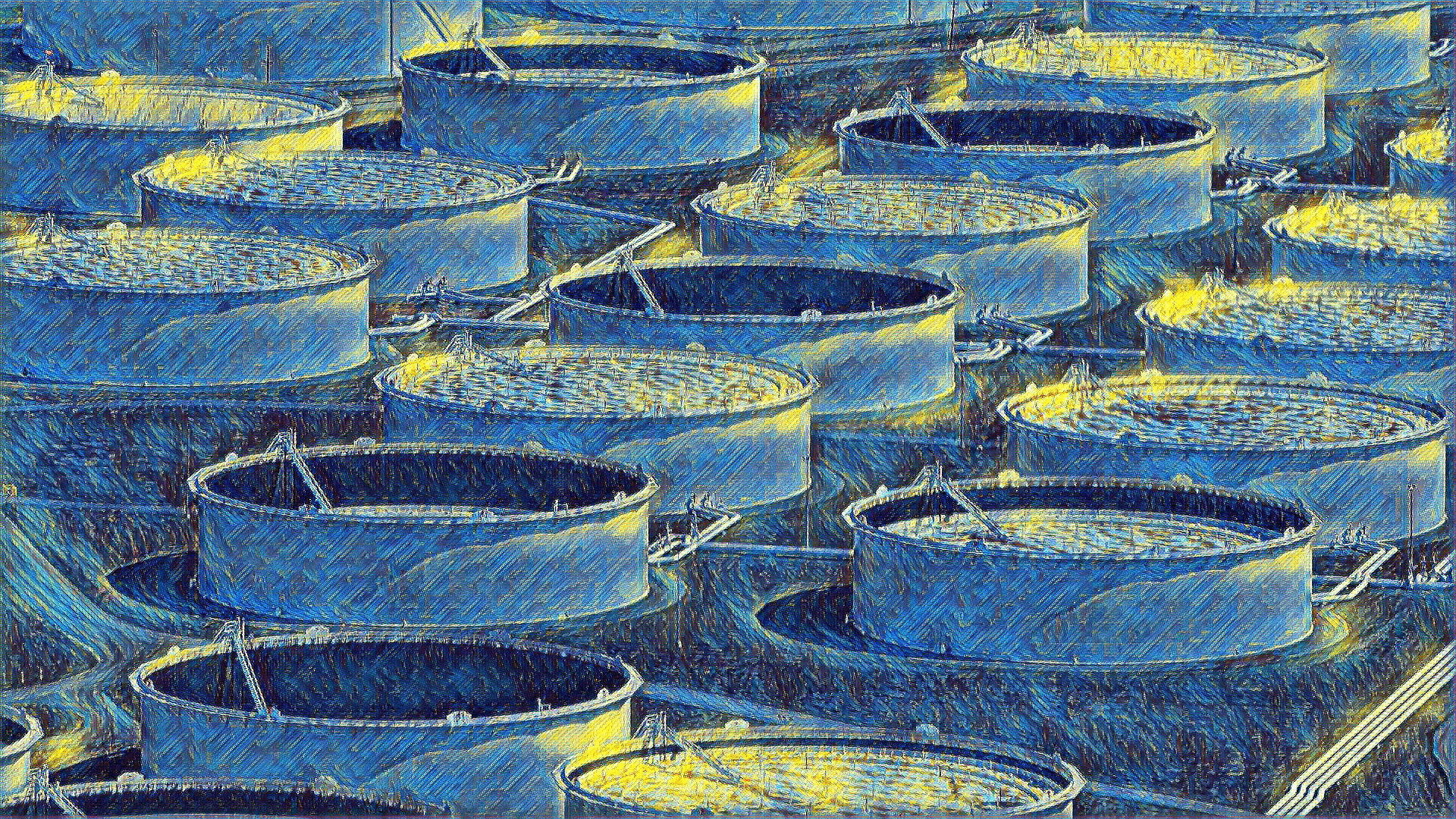
Global oil inventories are declining rapidly due to significant supply disruptions in the Middle East, raising concerns about future price spikes if the Strait of Hormuz remains closed.
International Energy Agency (IEA) Warning
The International Energy Agency (IEA) issued a warning this week, noting that the shrinking buffer stocks could signal future price increases ahead of peak summer demand. The IEA stated that rapidly diminishing reserves amid ongoing disruptions "may herald future price spikes."
Industry Perspective on Supply Buffers
Exxon Mobil CEO Darren Woods addressed the market during the company's first-quarter earnings call. He noted that the oil market has not yet felt the full impact of the supply loss due to several mitigating factors:
- Commercial inventories held by the industry.
- Strategic reserves managed by governments.
- Oil in transit via tankers.
However, Woods cautioned that these buffers are finite. He stated, "We anticipate as that happens and the strait remains closed, that we will continue to see increased prices in the marketplace."
Stockpile Projections and Risks
Financial institutions have provided estimates on the declining levels of global oil stockpiles:
- February Levels: Swiss bank UBS estimated that inventories were near a decade high, exceeding 8 billion barrels at the end of February.
- April Decline: By the end of April, UBS analysts reported that stockpiles had fallen to 7.8 billion barrels.
- May Projection: If demand remains consistent month-over-month, UBS analysts project that inventories could approach a record low of 7.6 billion barrels by the end of May.
JPMorgan analysts highlighted the potential strain on the supply chain at this projected level. They clarified that while billions of barrels sound substantial, only approximately 800 million barrels are available without stressing the system; the remainder is necessary to maintain minimum operational levels for pipelines and storage tanks.