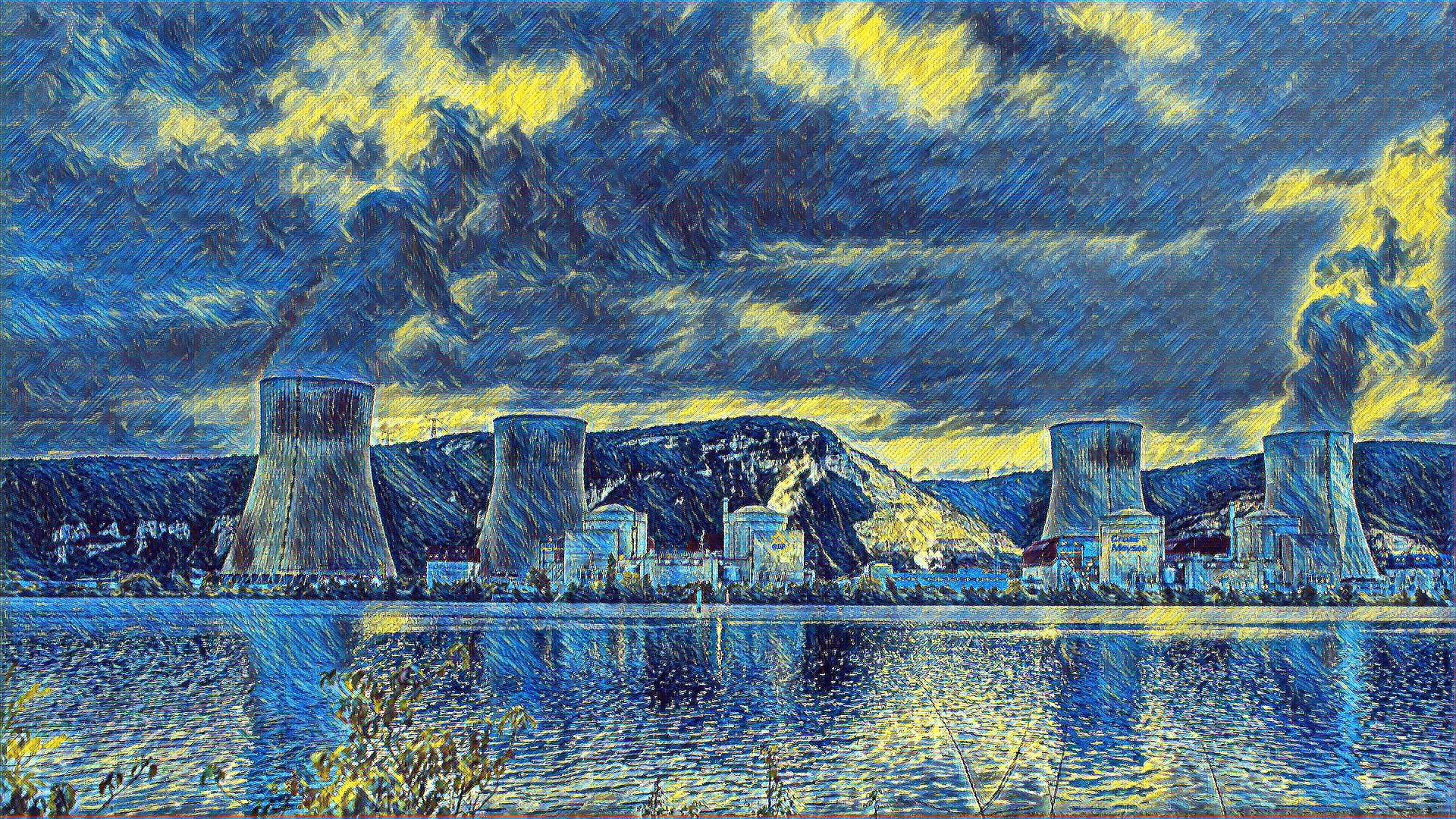
Concerns over energy supply disruptions, highlighted by geopolitical tensions, are refocusing European attention on nuclear power as a potential source of stable, low-emission energy.
The Case for Nuclear Power in Europe
Historically, Europe has been hesitant about nuclear energy due to:
- High upfront construction costs.
- Challenges associated with radioactive waste disposal.
- Public memory of past accidents.
However, recent global instability, such as the potential disruption of energy imports, has brought nuclear power back into sharp focus. Industry analysts suggest it offers significant advantages:
- Low Emissions: It produces substantially fewer emissions compared to fossil fuels.
- Land Use: Nuclear plants require minimal physical space.
- Reliability: Reactors maintain consistent output regardless of weather conditions.
Global Trends and European Shifts
Several nations are re-evaluating their energy mixes, recognizing the need for diversification:
- France: Remains a key example, with over 60% of its energy needs currently met by nuclear power.
- South Korea: Following geopolitical events, the country's climate minister stated that nuclear and renewables will form the "two central pillars" of its future energy supply, signaling a shift away from oil dependence.
- Global Perspective: Experts note that countries with established nuclear capacity, such as the U.S., China, and France, are better positioned to manage supply shocks.
Challenges to Implementation: Cost and Time
Despite the potential benefits, integrating nuclear power faces significant hurdles:
- Long Timelines: The construction process is notoriously slow. For instance, the UK's Hinkley Point C, slated to be its first reactor in over 30 years, began construction in 2016 and is not expected to finish until the end of the decade. Similarly, France's Flamanville 3 took 17 years to become operational.
- Modernization vs. Speed: Analysts point out that while nuclear is reliable, renewable projects can often come online much faster.
- Cost Solutions: To accelerate deployment, experts suggest finding cheaper construction methods, potentially by looking at technologies from outside the EU.
Political Hurdles and Future Outlook
While the technical case for nuclear is strong, political cooperation remains a major obstacle. While collaborating with international firms could offer cost-effective solutions, concerns over national security and the protection of strategic industries make such partnerships politically difficult to implement.