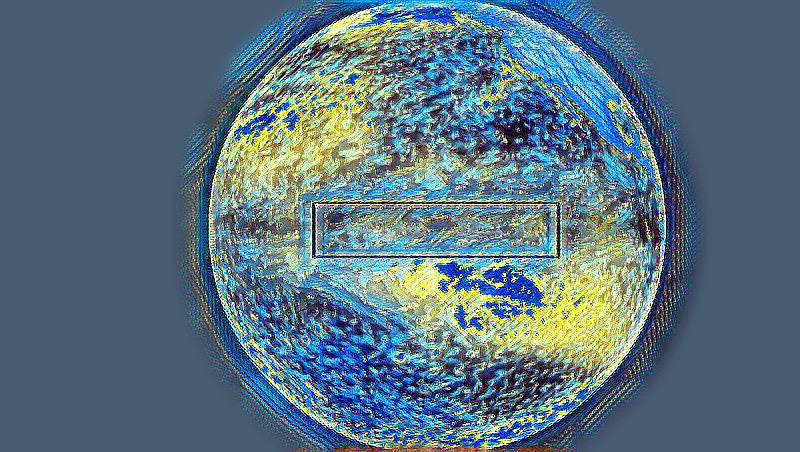
NOAA's latest updates indicate an increasing probability of a historically strong, or 'Super' El Niño, developing in the Pacific Ocean by the fall or winter months. This natural climate cycle is driven by warming tropical Pacific waters and carries the potential for significant global weather disruptions.
Understanding El Niño
El Niño is a natural climate pattern characterized by the warming of the tropical Pacific Ocean. This warming triggers shifts in atmospheric wind patterns, creating ripple effects that influence weather conditions worldwide.
- Mechanism: The warming of equatorial Pacific waters alters global atmospheric circulation.
- Impact Spectrum: Effects can range from severe droughts and heatwaves to excessive flooding rainfall in different regions.
- Global Context: Stronger El Niños exacerbate global warming trends caused by human activity.
Super El Niño Odds Increase
The likelihood of an intense event is rising, though forecasters caution about uncertainty regarding the peak strength.
- Probability Shift: The chance of a strong or very strong El Niño peaking between November and January has increased from 1 in 4 to approximately 1 in 3.
- Historical Context: El Niño typically occurs every two to seven years and lasts nine to 12 months. The strongest recorded events include 1997-1998 and 2015-2016.
- Intensity Metrics:
- Weak: Water temperatures rise over 0.5°C above average.
- Very Strong/Super: Water temperatures must exceed 2°C above average.
Current Forecast Trajectory
The shift in prediction is notable, moving away from neutral conditions forecast for June.
- Temperature Trend: While current average temperatures are near the 0.5°C threshold, the Climate Prediction Center expects this to rise above it within the next month.
- Strengthening Outlook: El Niño is projected to strengthen through the summer and fall, with a 96% chance of persisting through winter.
- Driving Factor: This increased confidence stems from a large accumulation of warm water in the central and eastern equatorial Pacific, which is expected to rise to the surface.
Potential Global Weather Impacts
Whether it reaches 'Super' status or remains strong, El Niño is expected to influence global weather patterns in the coming year:
- Atlantic Hurricane Season: Stronger El Niños often create conditions that suppress tropical storms and hurricanes in the Caribbean and tropical Atlantic. Conversely, the central and eastern Pacific may see increased activity.
- North America: A warmer-than-average winter is typical across the northern US to western Canada and Alaska. The southern US may experience wetter and cooler conditions due to a strengthened jet stream.
- Tropical Rainfall: Monsoon rains are projected to decrease in India and Southeast Asia, while drought conditions may intensify in parts of the Caribbean and Southeast Africa during the Southern Hemisphere summer.