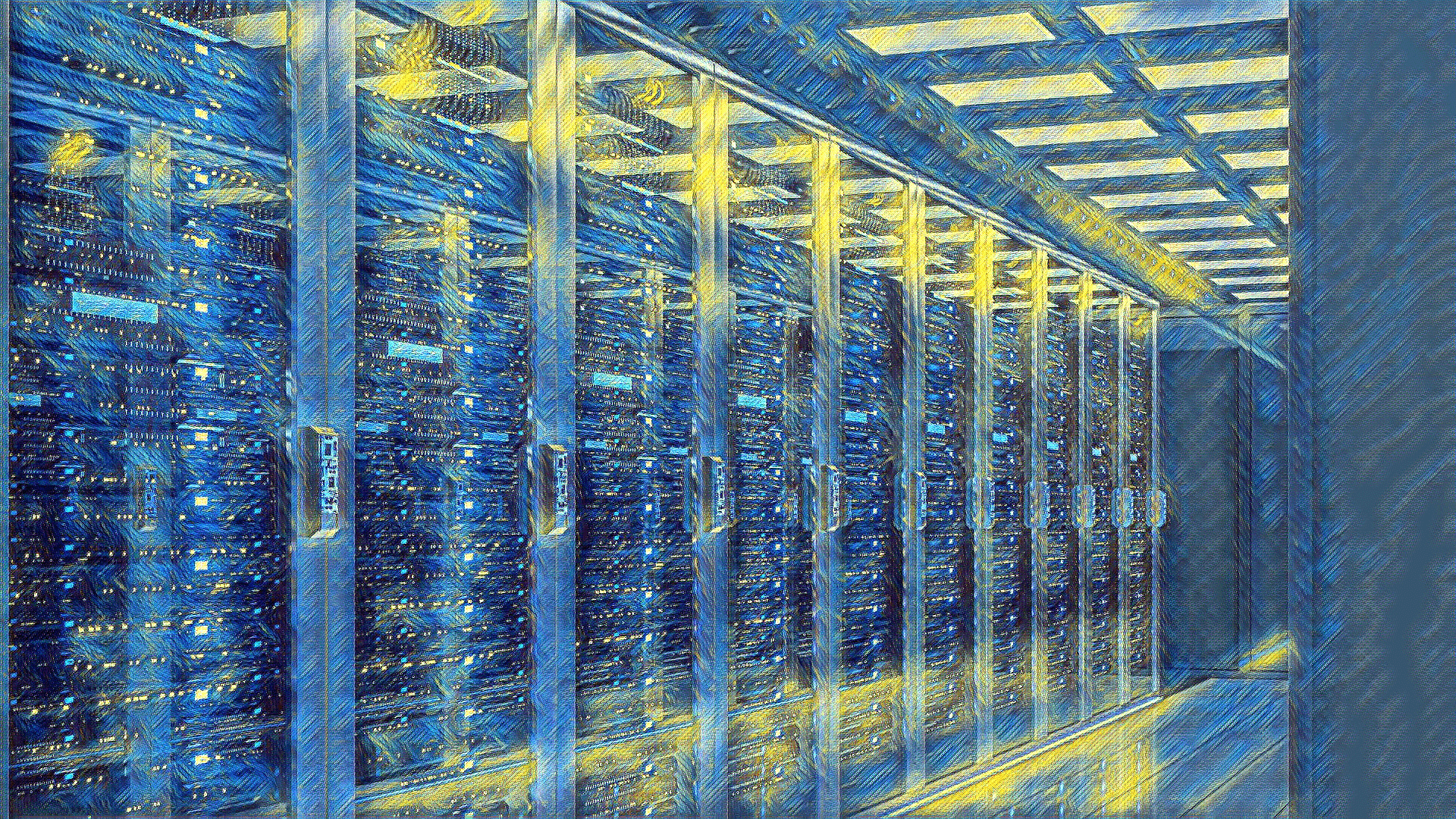
The emerging 'neocloud' sector, which builds specialized AI computing infrastructure, is attracting significant market buzz but carries substantial financial risks compared to established tech giants. These specialized providers aim to carve out a niche in the AI boom, contrasting with the multi-purpose supercomputing offered by hyperscalers like AWS, Google Cloud, and Azure.
Neoclouds vs. Hyperscalers: A Market Niche
Neoclouds are positioning themselves as specialists in AI-dedicated compute power. This contrasts with the established hyperscalers, which offer broad, multipurpose cloud services.
- Neocloud Focus: Building infrastructure specifically tailored for Artificial Intelligence workloads.
- Hyperscaler Focus: Providing general-purpose, large-scale supercomputing services.
Investment Risks and Volatility
Industry experts caution that while the demand for AI chips is real, the business models of neoclouds are fragile. These companies have taken on significant debt to expand capacity, leading to high stock volatility.
- Profitability Concerns: Analysts warn that achieving profitability may take much longer than current market expectations.
- Debt Burden: High levels of debt are a major concern for both industry insiders and Wall Street analysts.
- Stock Performance: The sector has seen wild swings; for instance, CoreWeave's stock experienced significant fluctuations in early 2024.
Key Players and Analyst Views
Several companies are leading this emerging space, with analysts providing specific price targets and insights:
- CoreWeave: Cited as a major player, the company's access to committed, leased capacity and ability to procure leading-edge GPUs is viewed as valuable. Wolfe Research analysts have issued price targets above the consensus.
- Nebius: Described by Citi as an "emerging AI hyperscaler," the company reportedly maintains a strong balance sheet and has secured a large portion of its future capital expenditure plan.
- Other Listed Neoclouds: The sector includes companies such as Lambda Labs, WhiteFiber, Crusoe, TensorWave, and Genesis Cloud.
Expert Warnings on Timelines and Debt
Skeptics suggest that the market's optimism regarding rapid profitability may be overstated. David Linthicum, a former cloud strategy officer, noted that the industry might face a "five to 10 year slog" rather than a quick turnaround.
- Lender Concern: A primary risk highlighted is that lenders may demand repayment before the neocloud providers reach profitability, potentially forcing a distressed sale.
- Pricing Ambition: Some neoclouds aim to undercut hyperscalers significantly on pricing, but this ambition is tempered by their current debt levels.
Underlying Demand Remains Strong
Despite the financial warnings, some industry sources confirm tangible demand for AI compute power. Experts point to real-world commercial applications, such as SoftBank transforming its sales pipeline using AI agents, suggesting that the underlying need for massive computing power is genuine.