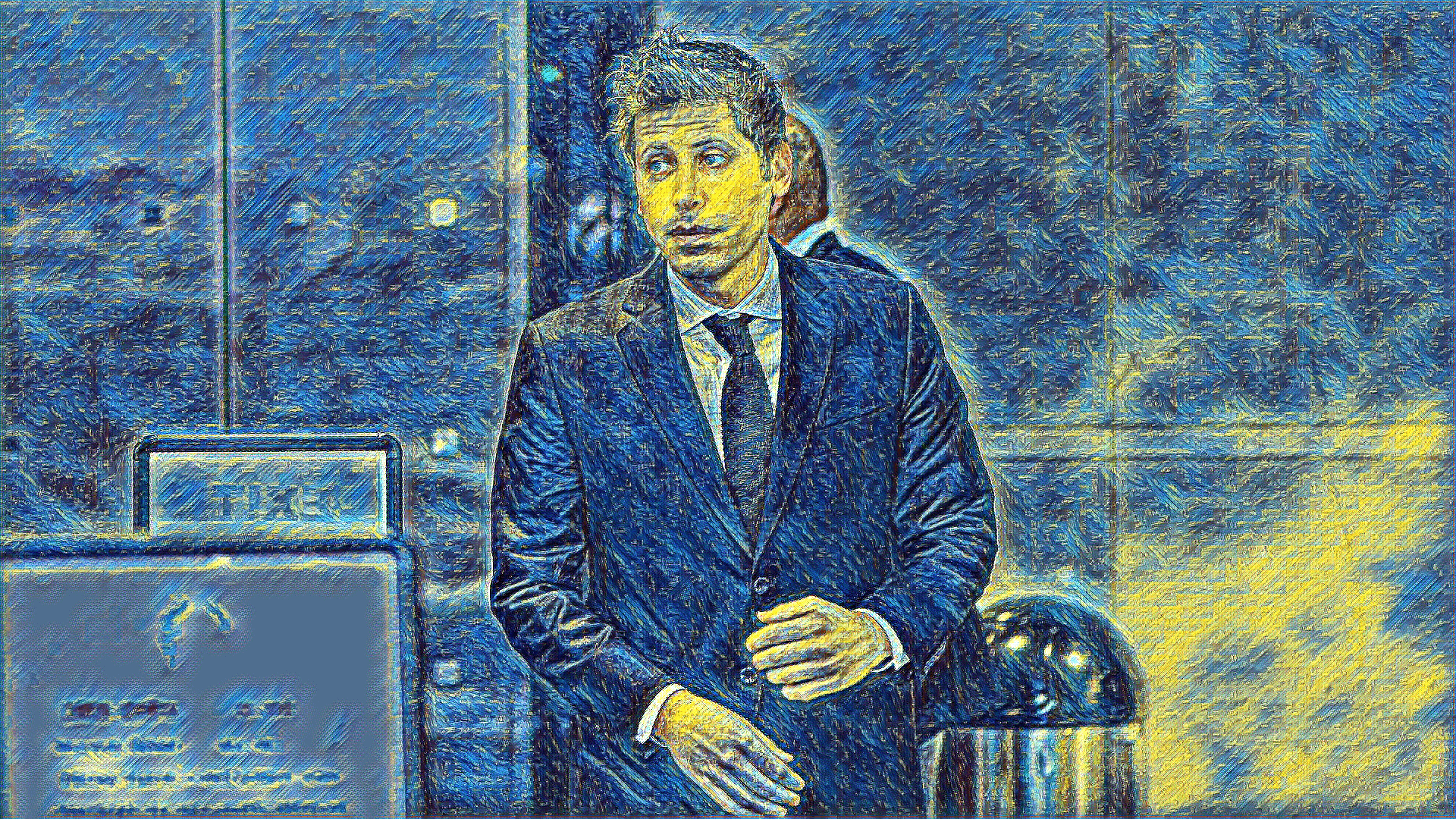
Closing arguments concluded on Thursday, May 14, 2026, in the federal court in Oakland, California, marking a pivotal moment in Elon Musk's lawsuit against OpenAI and Sam Altman.
Trial Proceedings Conclude
The first phase of the Musk v. Altman trial wrapped up after both sides presented their final arguments to the jury. The nine-person jury is scheduled to begin deliberations on Monday. However, the judge, Yvonne Gonzalez Rogers, will issue the final ruling on liability, as the jury's verdict is advisory.
Core Allegations in the Lawsuit
Elon Musk initiated the lawsuit in 2024, naming OpenAI, CEO Sam Altman, and President Greg Brockman as defendants. The core allegations center on two main claims:
- Breach of Nonprofit Commitment: Musk alleges that OpenAI deviated from its original commitment to remain a nonprofit organization.
- Misuse of Funds: He claims that his donation, estimated at $38 million, was utilized for unauthorized commercial purposes, leading to unjust enrichment for insiders.
Arguments Presented by Both Sides
Elon Musk's Arguments
Musk's legal counsel, Steven Molo, emphasized several key points during the closing arguments:
- OpenAI failed to open-source its technology.
- The company neglected to prioritize AI safety and adhere to nonprofit customs.
- He asserted that OpenAI insiders and investors, including Altman, Brockman, and Microsoft, enriched themselves at Musk's expense.
OpenAI's Defense
OpenAI's attorneys, Sarah Eddy and William Savitt, countered these claims by stating:
- Altman and Brockman never made explicit commitments to Musk regarding OpenAI's corporate structure.
- They maintained that Musk's donations were spent and used appropriately.
- Eddy also suggested that Musk filed the lawsuit only after launching his competing AI startup, xAI.
Microsoft's Involvement
Microsoft is also a defendant in the suit. Attorney Russell Cohen presented the company's closing arguments, defending Microsoft by stating:
- Microsoft had no knowledge of the alleged breaches of the charitable trust.
- Consequently, Cohen argued that the company could not have participated in such actions.