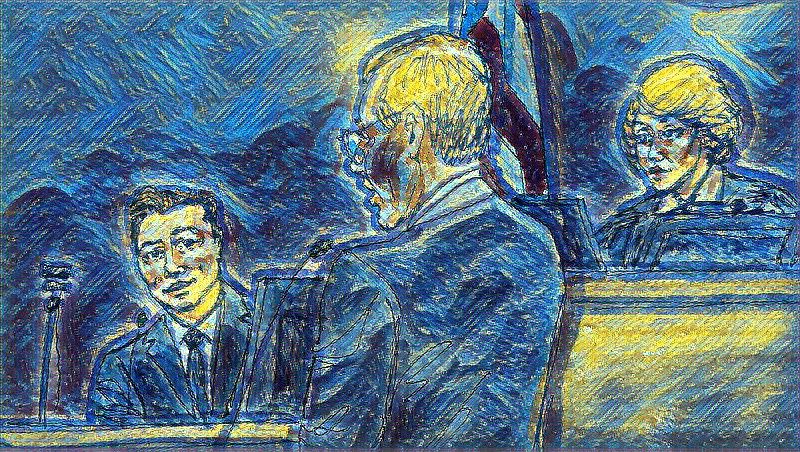
Elon Musk testified for a second day in a high-stakes lawsuit against OpenAI, a legal battle poised to redefine the future governance of artificial intelligence. The core dispute centers on OpenAI's corporate structure and its trajectory as the AI industry races toward commercial dominance.
Core Allegations in the OpenAI Lawsuit
Musk alleges that OpenAI has deviated from its original commitment to operate as a non-profit entity. Conversely, OpenAI contends that Musk's lawsuit is fundamentally a competitive maneuver designed to undermine its market position relative to Musk's own AI venture, xAI.
- Musk's Claim: OpenAI betrayed its initial non-profit mission through changes in its corporate structure.
- OpenAI's Defense: The lawsuit is motivated by competitive jealousy, aiming to hinder OpenAI's growth.
Context: IPO and Industry Race
The trial unfolds as OpenAI prepares for a potentially major Initial Public Offering (IPO). This financial event could provide the capital necessary for the company to solidify its leading position in the global AI sector.
Testimony Highlights and Legal Stakes
During his testimony, Musk emphasized his foundational role in the creation of OpenAI, arguing the company was intended to benefit all of humanity through open-source technology, contrasting it with shareholder-focused corporations. He also warned that a loss could potentially undermine the foundation of charitable giving in the U.S.
- Musk's Vision: OpenAI should be an open-source entity serving humanity's best interests.
- OpenAI's Counter: OpenAI's legal team has suggested Musk is only suing now that the company has achieved significant success.
Judicial Oversight and Potential Remedies
The nine-person jury selected on Monday will advise U.S. District Court Judge Yvonne Gonzalez Rogers on potential remedies. These remedies, if granted, could include:
- Reverting OpenAI to its original non-profit structure.
- Removing Sam Altman and Peter Brockman from the board.
- Awarding $130 billion in damages to OpenAI’s non-profit foundation.
Judge Rogers has maintained a firm stance, cautioning both parties regarding their use of social media to escalate the dispute outside the courtroom proceedings.