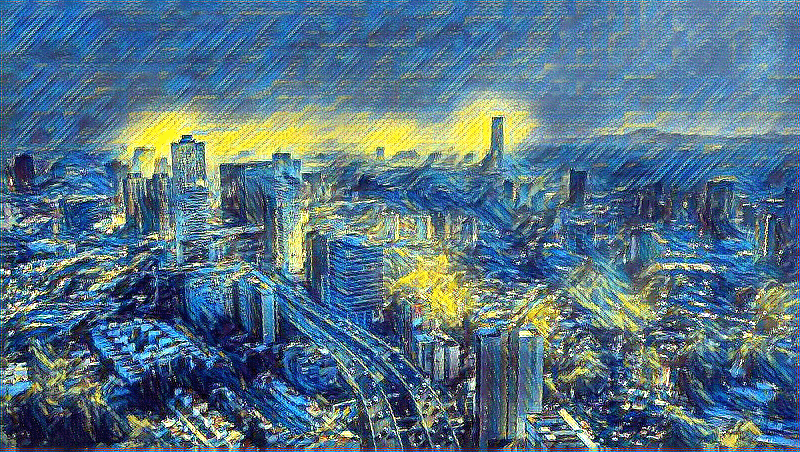
Satellite imagery is revealing that Mexico City is experiencing rapid and measurable land subsidence, with some areas sinking at rates visible from space. The metropolitan area, which sits atop an ancient aquifer, faces significant infrastructure challenges due to geological shifts exacerbated by human activity.
The Science Behind the Subsidence
The primary driver of the sinking is the over-extraction of groundwater from the aquifer that supplies much of the city's drinking water. This process, combined with the weight added by continuous urban development, has caused the landmass to compact and sink.
- Aquifer Depletion: The city relies on an ancient aquifer, which has been significantly over-pumped over time.
- Urban Impact: New infrastructure and construction add substantial weight to the clay-rich soil, accelerating the sinking process.
New Data from NISAR Satellite
Researchers utilized the NISAR satellite, a collaboration between NASA and the Indian Space Research Organization (ISRO), to map ground movement. This advanced radar system is capable of tracking subtle planetary motions.
- Measurement Period: Data was collected between October 25, 2025, and January 17, 2026, during the city's dry season.
- Observed Rate: NISAR mapped parts of Mexico City subsiding at a rate of approximately 0.8 inches per month.
- Annual Projection: This rate equates to more than 9.5 inches of sinking annually in affected areas.
Visible Impacts on Infrastructure
The cumulative effect of this subsidence has resulted in widespread damage across the city's infrastructure, a problem first documented in the 1920s.
- Transportation: Residents have reported fractured roads and damage to the train system.
- Landmarks: The 114-foot Angel of Independence monument has required the addition of 14 steps to its base due to the sinking ground beneath it.
- Affected Areas: Areas such as the Benito Juarez International Airport have shown signs of significant ground movement.
Future Monitoring Capabilities
Experts note that the NISAR satellite is a powerful tool for monitoring various global processes, not just subsidence. It can also track:
- Glacier movement.
- Agricultural growth patterns.
- Natural disasters, such as volcanic eruptions.