BN
|
Oil Futures Warn of Prolonged Economic Damage from War
Markets

Oil Futures Warn of Prolonged Economic Damage from War

Oil futures markets indicate that the Middle East conflict, while possibly ending soon, will cause prolonged economic damage with crude prices remaining high for years. The atypical futures curve shows prices declining but not returning to pre-war levels until 2031, due to supply disruptions from closed straits and damaged infrastructure. High energy costs burden consumers and could trigger a recession if oil exceeds $125 or stays elevated. Experts warn the ongoing conflict represents an unprecedented oil supply shock, heightening recession risks over time.

Ad slot
Why $4 Gas Prices Won't Trigger Fed Hikes — Could Lead to Cuts
Business

Why $4 Gas Prices Won't Trigger Fed Hikes — Could Lead to Cuts

In March 2026, U.S. gasoline prices surpassed $4 per gallon, raising inflation concerns. Federal Reserve Chair Jerome Powell signaled that the central bank may hold interest rates steady or cut them, viewing the energy price shock as temporary and fearing that rate hikes could weaken economic growth. Market expectations shifted to increased odds of cuts after Powell's comments, despite higher-than-expected import inflation and an upgraded OECD forecast. Experts warn that the main threat is 'demand destruction' from high energy prices, which could reduce consumer spending and hiring, potentially causing a recession rather than persistent inflation. The Fed is caught between controlling inflation and supporting growth, with current signals favoring patience over tightening.

Iran War Sell-Off Persists Despite Rebound, Chart Analysts Warn
Markets

Iran War Sell-Off Persists Despite Rebound, Chart Analysts Warn

Chart analysts warn that the U.S. stock market sell-off, fueled by U.S.-Iran war tensions, persists despite a Tuesday rebound attempt. High volatility, with the VIX index spiking above 30, underscores ongoing investor fear. Historical patterns show that weekly market rallies often fade later in the week, and pressure on key sectors like semiconductors indicates potential further declines. Experts stress that the market remains biased downward until the conflict resolves or a significant sell-off event occurs, and the final bottom has not been reached.

U.S.-Iran War Raises Oil Prices, Dividing Impact on Consumers
Business

U.S.-Iran War Raises Oil Prices, Dividing Impact on Consumers

The U.S.-Iran war has driven oil prices higher, disproportionately affecting low-income consumers through increased gasoline costs, as evidenced by slowed spending growth in Bank of America data. Higher-income earners, while maintaining spending, have seen consumer sentiment fall sharply due to stock market volatility, according to University of Michigan surveys. Economists warn that a market correction could significantly reduce GDP, with Goldman Sachs projecting up to a 1% hit from a 20% equities decline. Experts emphasize that prolonged conflict risks exacerbating K-shaped economic inequality, as lower-income groups face immediate strain while wealthier consumers' caution could eventually curb overall spending. Current investor hesitancy and market uncertainty underscore these divergent impacts.

US Hiring Rate Falls to 15-Year Low, Excluding Pandemic
Business

US Hiring Rate Falls to 15-Year Low, Excluding Pandemic

US hiring pace slowed to its lowest level since 2011, excluding the pandemic, with a 3.1% hire rate in February. Job openings also declined to 6.88 million, indicating reduced labor demand. A separate report showed a loss of 92,000 jobs that month, suggesting stagnation. These trends point to a cooling labor market with diminished churn. The ongoing Middle East conflict has further heightened economic concerns. Data reflects potential challenges for the US economy.

Unilever's $15.7B Food Sale Highlights Consumer Goods Strategy Shift
Business

Unilever's $15.7B Food Sale Highlights Consumer Goods Strategy Shift

Unilever's $15.7 billion sale of its food business to McCormick signals a broader industry shift in consumer goods towards targeted, high-growth categories. This move reflects a trend where companies are divesting lower-margin units to concentrate on "power categories" with better profitability. Factors include slowing growth in markets like China and the end of post-pandemic pricing surges. Other giants like Nestlé, Kimberly-Clark, and Mars have pursued similar deals to optimize portfolios and enhance market relevance. Experts emphasize that success now depends more on consumer and capital market alignment than on sheer corporate scale. The sector is moving away from diversified conglomerates toward focused strategies.

Russia Profits from Iran War as Economy Faces 'Death Zone'
Business

Russia Profits from Iran War as Economy Faces 'Death Zone'

Russia is experiencing a short-term revenue boost from the Iran conflict due to soaring oil prices. Urals crude has jumped over $60 per barrel since February 27, yielding about $9 billion monthly for the state. International buyers like India have increased Russian oil purchases, and the U.S. has issued temporary waivers for stranded shipments. Exports of helium, aluminum, and fertilizers have grown but to a lesser extent. Experts caution that this windfall is temporary, as Russia's economy remains in a precarious 'death zone'. The highlight is the transient nature of these gains amid ongoing economic struggles.

Stocks, Bonds, Commodities: Iran War's Market Impact
Markets

Stocks, Bonds, Commodities: Iran War's Market Impact

The U.S.-Iran conflict in March 2026 triggered widespread market volatility. Global equities, particularly the South Korean Kospi, fell sharply due to stagflation fears. Bond yields rose as investors anticipated central bank rate hikes. The U.S. dollar strengthened by 3%, while gold suffered its worst month since 2008. Energy prices surged due to the Hormuz blockade, exacerbating inflation concerns. Experts warn of prolonged stagflation risks but note potential rebounds in assets like gold.

Buffett Still Directs Investments at Berkshire, Reveals Tiny Buy
Business

Buffett Still Directs Investments at Berkshire, Reveals Tiny Buy

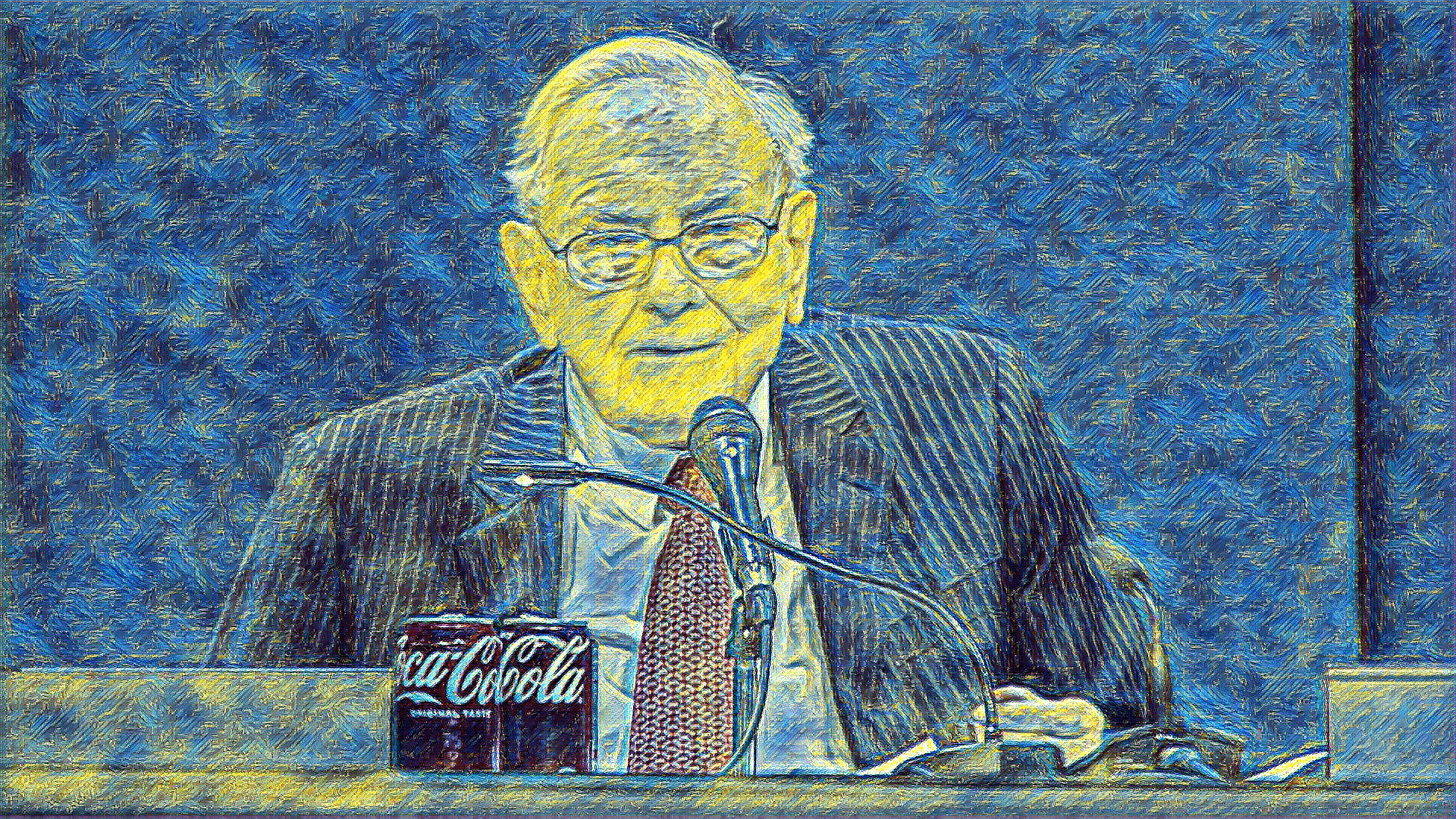
Warren Buffett affirmed his continued hands-on involvement in investment decisions at Berkshire Hathaway despite naming Greg Abel as CEO for 2026. He disclosed making a minor recent purchase and outlined his daily routine of consulting with financial assets director Mark Millard. Buffett downplayed current market volatility, noting it is less severe than past 50% declines. The company bought $17 billion in Treasury bills this week and holds over $370 billion in cash equivalents. He emphasized that Abel reviews all investments daily, maintaining collaborative oversight.

Biogen Acquires Apellis for $5.6B to Boost Rare Disease Drugs
Business

Biogen Acquires Apellis for $5.6B to Boost Rare Disease Drugs

Biogen has announced the acquisition of Apellis Pharmaceuticals for $5.6 billion in cash to enhance its rare-disease drug offerings. The move comes as Biogen faces declining revenue from its multiple sclerosis medications and seeks growth in the rare disease sector. Apellis contributes Empaveli, used for rare kidney and blood disorders, and Syfovre, for a blinding eye condition, with last year's combined revenue of $689 million. The deal offers Apellis shareholders $41 per share, a 140% premium, plus potential milestone payments. Apellis stock surged over 100% in premarket trades, reflecting positive market sentiment.

Nvidia's $2B Investment Sparks 11% Surge in Marvell Stock
Tech

Nvidia's $2B Investment Sparks 11% Surge in Marvell Stock

Nvidia has committed a $2 billion investment in Marvell Technology, triggering an 11% stock surge for Marvell. The strategic partnership focuses on integrating Marvell into Nvidia's AI factory and radio access network ecosystems, with joint development in silicon photonics and telecommunications. Nvidia CEO Jensen Huang emphasized the rising demand for AI infrastructure and token generation. This collaboration highlights the industry's shift towards consolidated efforts in building AI capabilities. The move is part of a broader trend of tech giants investing in semiconductor firms to bolster AI supply chains. Market reaction has been positive, reflecting investor confidence in the AI sector's growth.

McCormick Acquires Unilever Food Unit in $45 Billion Deal
Business

McCormick Acquires Unilever Food Unit in $45 Billion Deal

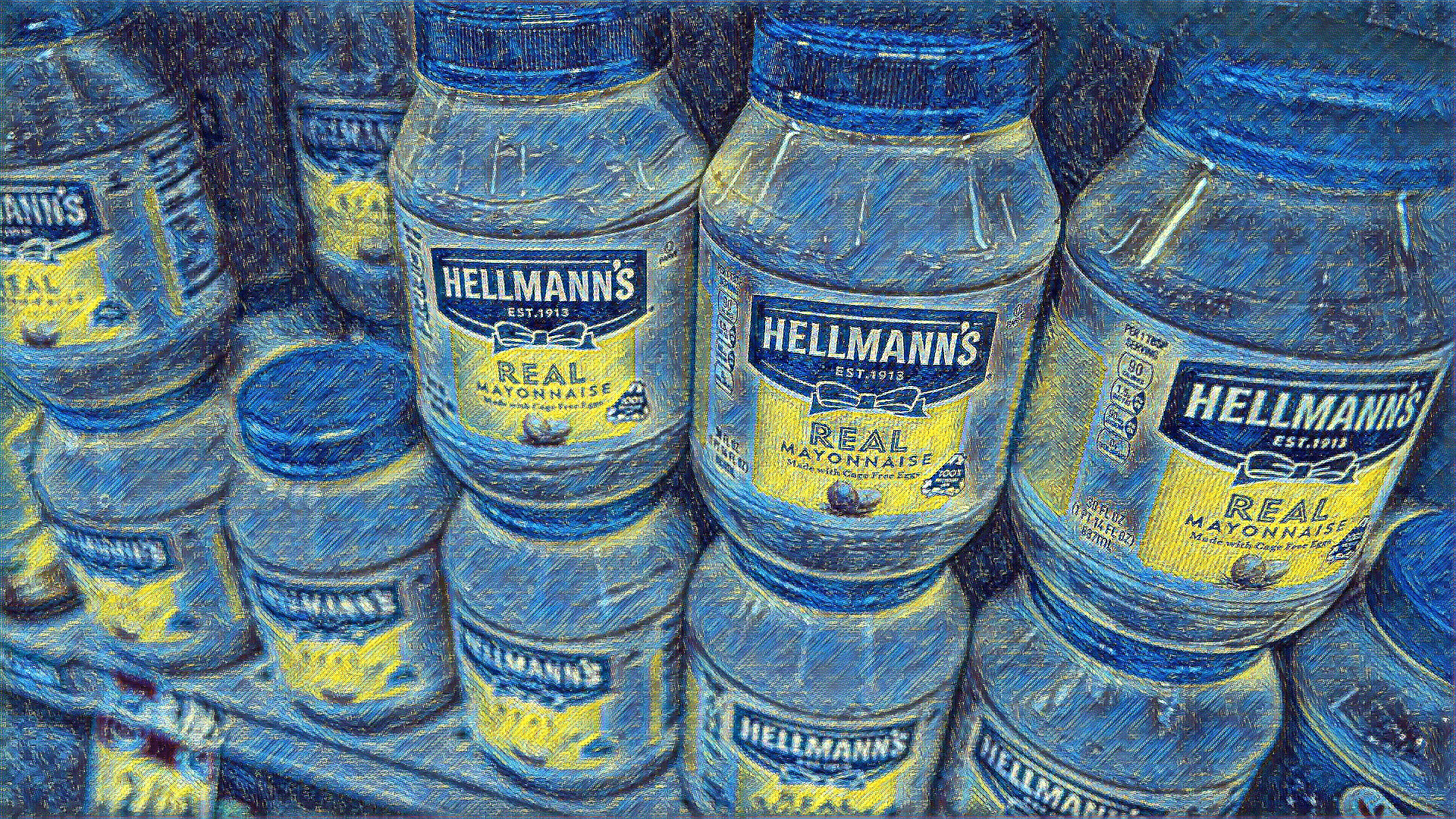
McCormick & Company is acquiring Unilever's food business in a deal valued at approximately $45 billion. The transaction includes $15.7 billion in cash from McCormick, with Unilever and its shareholders holding 65% of the combined entity. This acquisition adds prominent brands like Hellmann's and Marmite to McCormick's portfolio, strengthening its position in spreads and condiments. Unilever aims to redirect resources toward its faster-growing personal care division following the divestiture. The deal reflects a wider industry shift where food companies are streamlining operations through asset sales. Recent data indicates that divestitures constituted nearly half of M&A activity in the consumer products sector in 2024.

Trump Warns UK, France: U.S. Won't Aid Over Iran Stance
Politics

Trump Warns UK, France: U.S. Won't Aid Over Iran Stance

On March 27, 2026, President Donald Trump warned the U.K. and France that the U.S. would cease support, citing their refusal to participate in military action against Iran. In Truth Social posts, Trump accused France of blocking overflight for weapons shipments to Israel and criticized the U.K. for not engaging in operations against Iran. He asserted that Iran has been decimated and urged allies to become self-reliant, including securing their own oil supplies. The statements were made during the Future Investment Initiative Summit in Miami Beach, Florida. Trump emphasized that the U.S. will not assist nations that did not back American initiatives, highlighting a potential rift with traditional allies. This rhetoric underscores a shift toward unilateral U.S. foreign policy demands.

UK Regulator Probes Microsoft's Enterprise Software Over AI and Cloud Concerns
Business

UK Regulator Probes Microsoft's Enterprise Software Over AI and Cloud Concerns

The UK's Competition and Markets Authority (CMA) is initiating a strategic market status investigation into Microsoft's enterprise software, starting in May 2024. The probe focuses on widely used products like Windows, Office, Teams, and AI Copilot, examining cloud licensing practices and AI-driven competition concerns. Microsoft has pledged cooperative engagement with the regulator, while the CMA aims to ensure fair market conditions. This action highlights ongoing regulatory scrutiny of tech giants' influence in business software. The investigation could impact licensing models and AI integration across the industry. Updates are expected as the CMA assesses Microsoft's market status.

RFK Jr. Lyme Vaccine Pledge: Support or Skepticism?
Health

RFK Jr. Lyme Vaccine Pledge: Support or Skepticism?

Robert F. Kennedy Jr., as U.S. Health Secretary, has committed to addressing Lyme disease, which is increasing due to environmental changes. His history of anti-vaccine views and conspiracy theories raises questions about his support for a new vaccine. Pfizer's candidate shows 75% efficacy but faces challenges from the legacy of the withdrawn Lymerix vaccine. The Lyme community remains skeptical, preferring non-vaccine prevention methods. Kennedy has focused on diagnostics and treatment rather than vaccination, potentially impacting the vaccine's future. Regulatory and public acceptance will be key for the new vaccine's success.

Delta Air Lines Taps Amazon Leo for In-Flight Wi-Fi as Streaming Wars Heat Up
Tech

Delta Air Lines Taps Amazon Leo for In-Flight Wi-Fi as Streaming Wars Heat Up

Delta Air Lines is integrating Amazon Leo's low Earth orbit satellite Wi-Fi into 500 aircraft from 2028 to enhance in-flight connectivity, reflecting broader industry competition for high-speed streaming services. The airline will maintain additional partnerships with Hughes and Viasat. Executives cite growing passenger demand for faster internet and opportunities for commerce through upgraded entertainment systems. Competitors like United and Hawaiian Airlines use SpaceX Starlink, while American Airlines is evaluating similar options. Amazon Leo is expanding its satellite network to 3,200 units for commercial and consumer use.

Pete Hegseth: Pentagon's Top Cheerleader in Iran War
Politics

Pete Hegseth: Pentagon's Top Cheerleader in Iran War

Defense Secretary Pete Hegseth has acted as a key cheerleader for President Trump's Iran war, publicly endorsing the campaign and dismissing risks in briefings. He has criticized media coverage while touting military successes, contrasting with the reserved style of Joint Chiefs Chairman Gen. Dan Caine. The conflict has prompted Iran to close the Strait of Hormuz, risking global energy markets, and Trump is considering ground troops amid nascent diplomatic efforts. Hegseth's role has bolstered his standing in the administration despite prior controversies, with Trump expressing satisfaction with his performance. The war remains at a critical juncture with significant geopolitical and economic implications.

US Gas Prices Hit $4 Per Gallon Amid Middle East Conflict
Business

US Gas Prices Hit $4 Per Gallon Amid Middle East Conflict

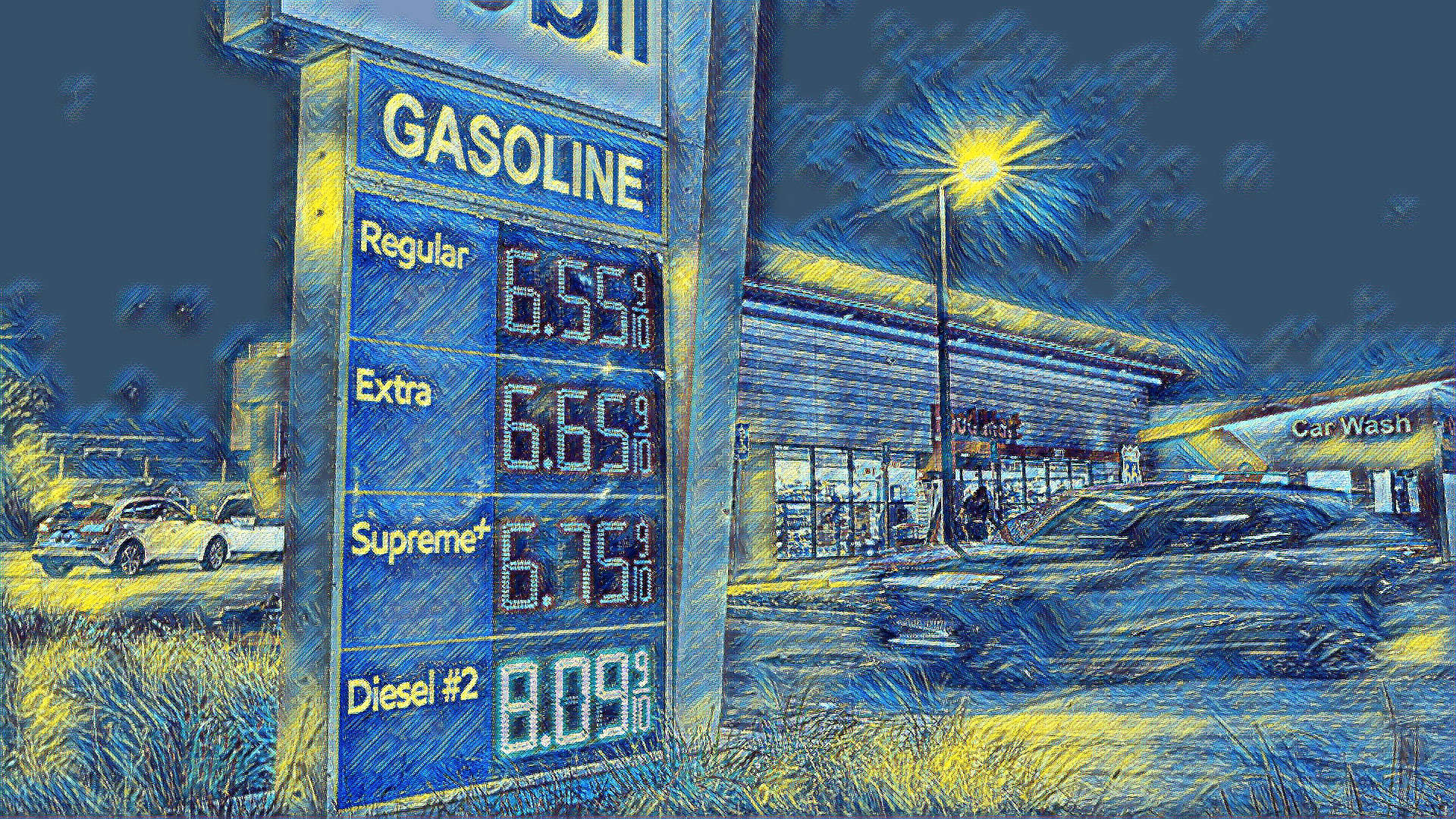
U.S. gas prices have exceeded $4 per gallon for the first time since 2022, primarily due to Middle East conflicts disrupting oil shipments through the Strait of Hormuz. This represents a record monthly increase of 34.7%, surpassing historical oil shocks like Hurricane Katrina and the Ukraine invasion. Oil prices have surged above $100 per barrel, reflecting global supply concerns. Experts warn that prices could climb to $5 per gallon, with potential policy interventions such as gas tax holidays. The situation highlights the sensitivity of fuel costs to geopolitical events and the lag in price adjustments even after conflicts resolve.

Saronic Raises $1.75B for U.S. Military Autonomous Ship Expansion
Tech

Saronic Raises $1.75B for U.S. Military Autonomous Ship Expansion

Autonomous ship startup Saronic secured $1.75 billion in funding led by Kleiner Perkins, doubling its valuation to $9.25 billion. The capital will expand production to meet U.S. military demand for affordable unmanned vessels, with plans to build over 20 ships yearly by 2027, including at the new Port Alpha shipyard in Texas. CEO Dino Mavrookas emphasized a market shift toward scalable, low-cost autonomous systems. This aligns with U.S. initiatives to modernize defense capabilities amid competition with China and geopolitical risks in regions like the Strait of Hormuz.

Gold on Track for Worst Month Since 2008 as Iran War Enters Fifth Week
Markets

Gold on Track for Worst Month Since 2008 as Iran War Enters Fifth Week

Gold is set for its largest monthly decline since 2008, with a projected 14.6% drop, despite a recent price increase. The U.S.-Iran conflict, now in its fifth week, initially boosted gold as a safe haven but rising oil prices have fueled inflation fears. President Trump signaled a readiness to end hostilities under certain conditions while threatening Iranian infrastructure, and Secretary of State Rubio expects U.S. goals to be met within weeks. The deployment of 2,500 U.S. Marines escalates tensions, contributing to expectations of global interest rate hikes to combat inflation, which further pressures gold prices.

Eurovision Song Contest to Debut in Asia with Bangkok 2026 Final
Entertainment

Eurovision Song Contest to Debut in Asia with Bangkok 2026 Final

The Eurovision Song Contest is set to expand to Asia with its first edition on November 14, 2026, in Bangkok, Thailand. Ten countries, including South Korea and the Philippines, are initially confirmed to compete, with more expected. Organized by the European Broadcasting Union, the contest has a rich history since 1956 and draws over 150 million viewers annually. However, it has faced geopolitical controversies, such as Russia's ban and recent boycotts over Israel's participation. New rules aim to improve neutrality, and the Asian edition is designed to showcase regional talent and culture, marking a significant milestone in the contest's evolution.

TSA Shutdown Crisis: Airport Delays and Agent Shortages
Politics

TSA Shutdown Crisis: Airport Delays and Agent Shortages

The partial U.S. government shutdown, starting February 14 over ICE funding, caused significant disruptions at airports. TSA agents worked without pay, leading to high absenteeism and over 500 resignations. Passengers faced hours-long security lines, with airports advising early arrival. Key events included the suspension of Global Entry, firing of DHS Secretary Kristi Noem, deployment of ICE agents to 14 airports, and legislative attempts to resolve the shutdown that failed. By late March, TSA callout rates reached a record 11.83%, exacerbating the crisis.

Nebius to Build Europe's Largest AI Data Center Amid Compute Surge
Tech

Nebius to Build Europe's Largest AI Data Center Amid Compute Surge

Nebius is developing a 310 MW AI data center in Lappeenranta, Finland, with operations starting in 2027, positioning it among Europe's largest. This move is part of a broader trend where European companies and consortia are heavily investing in AI infrastructure. Notable examples include Mistral's $830 million data center in France, Nscale's $2 billion funding, and multi-billion-dollar projects in Sweden and France. The investments, ranging from hundreds of millions to nearly $10 billion, underscore the urgent need for enhanced compute power to support AI growth. Europe's scramble for AI infrastructure highlights strategic efforts to compete globally in technology development.

U.S. Gasoline Tops $4 Per Gallon, Highest Since 2022 Amid Iran War
Business

U.S. Gasoline Tops $4 Per Gallon, Highest Since 2022 Amid Iran War

U.S. gasoline prices have reached an average of $4.018 per gallon, the highest since 2022, primarily due to supply shocks from the U.S. and Israeli attacks on Iran in late February. Diesel prices have also surged past $5 per gallon, increasing by over 40%, with significant implications for transportation and goods movement. Officials, including the EPA and Vice President JD Vance, have acknowledged the crisis and are implementing measures to address supply issues, while Vance stated the price hike is temporary. Experts warn that rising diesel costs will have delayed but widespread economic effects in the coming months. Oil prices have jumped over 50% since the conflict, with Brent crude heading for a record monthly gain.