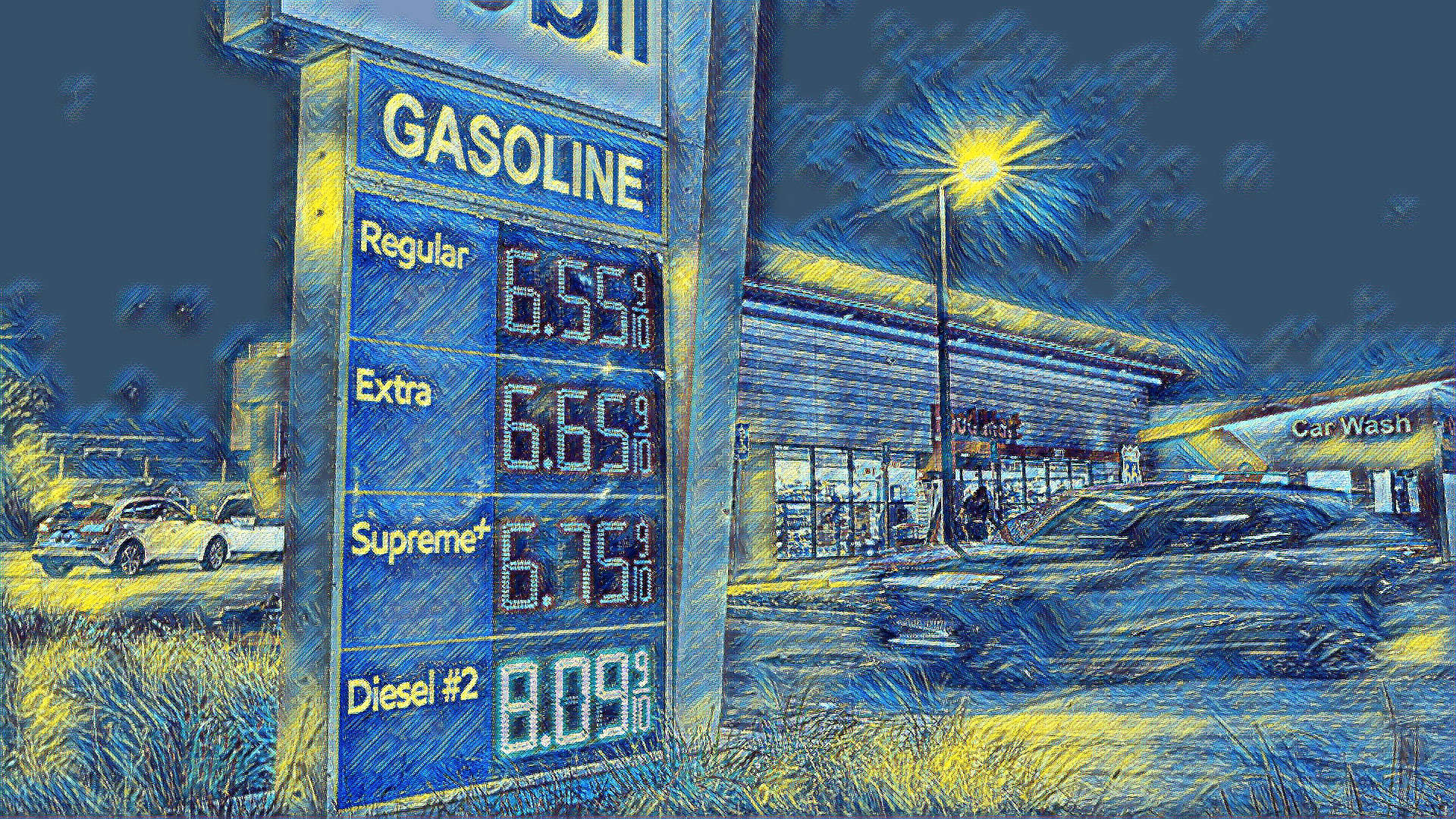
Despite gasoline prices exceeding $4 per gallon, the Federal Reserve is signaling a hold on interest rates and even potential cuts, as officials view the energy shock as temporary and fear that tightening could harm economic growth.
Powell's Cautious Stance
In market-moving remarks, Fed Chair Jerome Powell stated that raising rates in response to oil price spikes might be inappropriate, as monetary policy effects lag and could weigh on the economy after the shock passes. He emphasized the tendency to "look through any kind of a supply shock," noting that the oil price increase is likely temporary.
Market Reaction to Fed Signals
- Prior to Powell's comments, markets considered rate hikes due to unexpected inflation data, including a surge in February import prices and an OECD forecast raising U.S. inflation to 4.2% for 2026.
- Following Powell's remarks, futures markets now show only a 2.1% chance of a rate hike by year-end, per the CME Group's FedWatch tool, while odds for cuts have risen to about 25%.
- This shift reflects investor expectations that the Fed will prioritize growth over transient inflation pressures.
Inflation Data and Growth Concerns
- Recent economic signals are mixed: while headline inflation has spiked, core inflation and wage growth show limited pass-through from energy prices.
- Policymakers are increasingly concerned about "demand destruction," where high energy costs force consumers and businesses to cut spending, potentially leading to slower hiring and recession.
Expert Warnings on Economic Risks
- Rob Subbaraman of Nomura suggests central banks may sound hawkish but take no action, as the primary risk is a global growth shock from the Middle East conflict.
- Joseph Brusuelas of RSM cautions that high gas prices could concretely reduce car sales, home purchases, restaurant meals, and business investments, ultimately costing jobs.
- The Fed faces a policy dilemma: hiking rates now might exacerbate growth slowdowns, while inaction could be risky if the oil situation worsens.