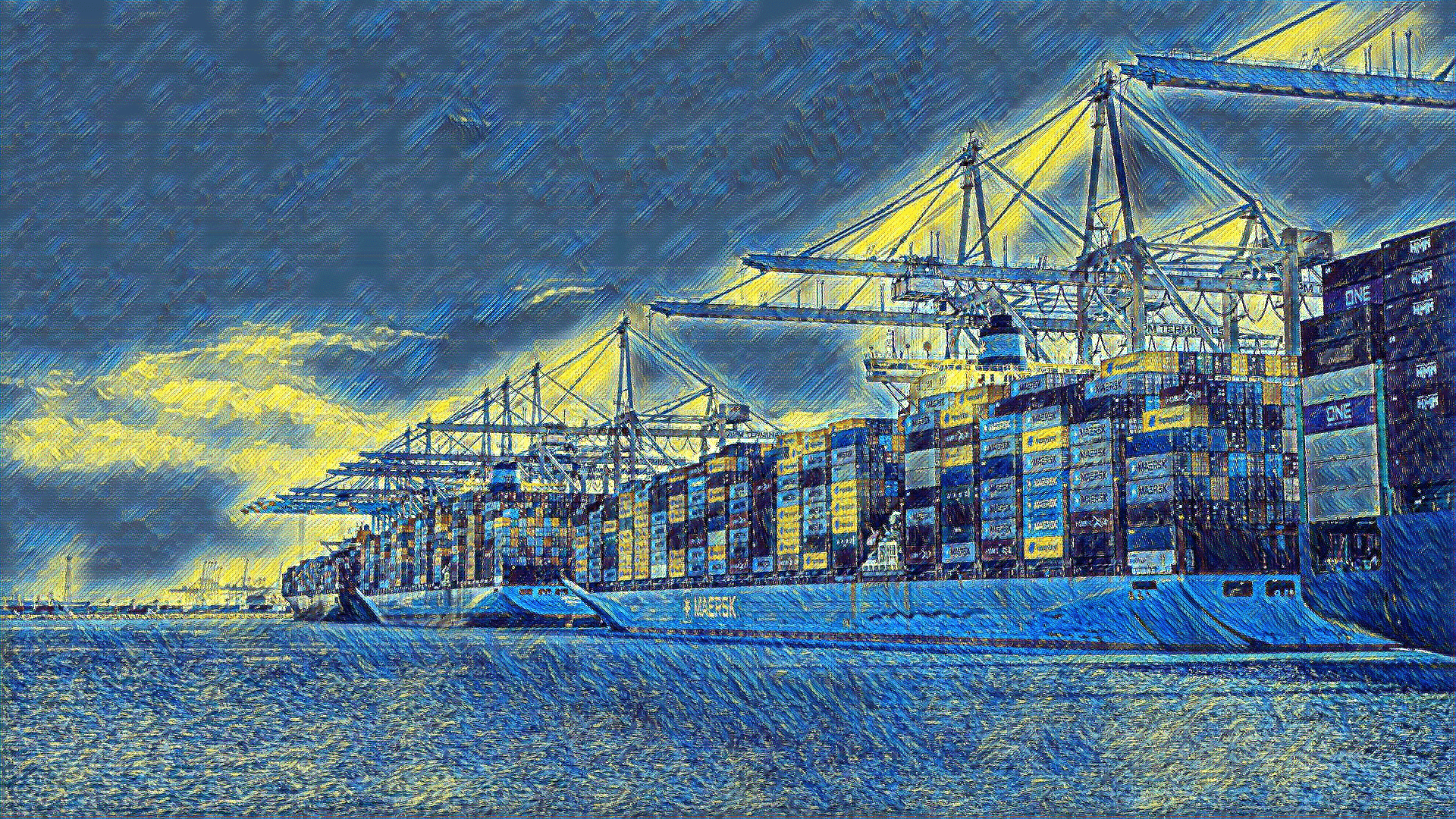
Maersk CEO Vincent Clerc warned that geopolitical instability, particularly involving Iran, is creating significant cost pressures for the global shipping industry. He stated that the sector's high energy dependency means rising oil prices, fueled by Middle East tensions, are imposing substantial financial burdens. Clerc estimated that maintaining oil prices near $100 per barrel could add $500 million in monthly costs, which must be passed to customers. Furthermore, he cautioned that these rising costs could trigger 'demand destruction' at the consumer level, potentially slowing global supply chain activity in the latter half of the year.
Ad slot
Maersk CEO Vincent Clerc warned that escalating tensions, particularly involving Iran, could significantly worsen the impact on global trade in the coming months, citing intense cost pressures.
Industry Cost Pressures from Geopolitical Instability
Speaking to CNBC following Maersk's first-quarter earnings report, Clerc highlighted that the shipping industry faces substantial cost increases due to geopolitical instability, necessitating cost pass-through to customers.
Energy Intensity: The shipping sector is highly energy-intensive, creating new operational challenges.
Middle East Impact: Intensifying conflict in the Middle East and uncertainty surrounding the Strait of Hormuz are keeping oil prices elevated.
Financial Impact of Oil Price Volatility
Clerc quantified the potential financial strain caused by sustained high energy costs. He noted that if oil prices remain near the $100 per barrel mark, the industry could face an additional cost burden.
Ad slot
Estimated Cost Increase: He estimated this could equate to approximately $500 million in extra costs monthly.
Passing Costs On: Due to the magnitude of the cost increase, the company stated it must pass these expenses onto its clientele.
Concerns Over Global Demand and Supply Chains
Beyond immediate operational costs, Clerc expressed concern regarding the ultimate effect of these rising expenses on consumer spending and global demand.
He raised critical questions about the resilience of both the shipping industry and consumer demand:
Demand Destruction: He questioned whether these rising costs would lead to 'demand destruction' at the end consumer level.
Supply Chain Ripple Effect: Such a decline in consumer demand could subsequently reverberate throughout the supply chain, potentially leading to softer demand in the latter half of the year. This outcome, he noted, would fundamentally alter the outlook for the global supply chain and the shipping sector.