BN
BusinessAI Desk25 views

Kevin Warsh Confirmed Fed Chair: What Changes to Expect

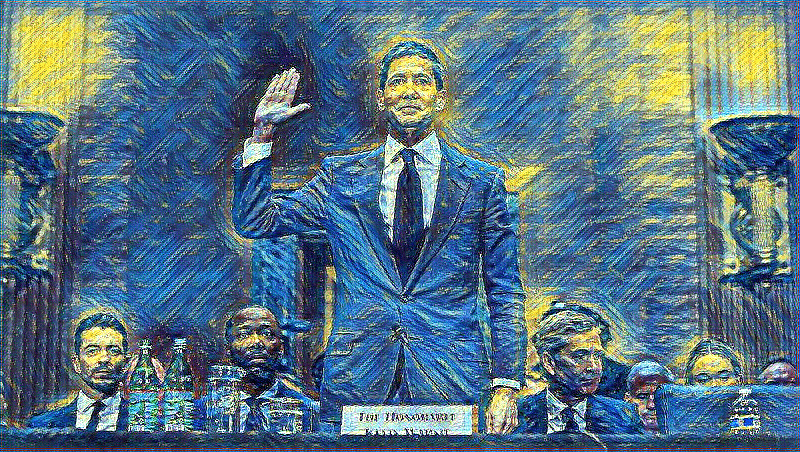
Kevin Warsh was confirmed by the Senate to assume the role of the 17th Chair of the Federal Reserve, succeeding Jerome Powell. The confirmation vote was highly partisan, signaling deep political divisions within the institution. Warsh is expected to navigate an economy grappling with elevated inflation and geopolitical instability, which has tempered expectations for immediate interest rate cuts. Key policy changes anticipated under his leadership include efforts to reduce the Fed's balance sheet size and potentially decrease the frequency of policy meetings. The confirmation process itself was marked by political scrutiny, particularly concerning the Fed's independence.

Ad slot
Kevin Warsh Confirmed Fed Chair: What Changes to Expect

Kevin Warsh was confirmed by the Senate to become the 17th Chair of the Federal Reserve, succeeding Jerome Powell amidst high inflation and geopolitical economic pressures. This confirmation marks a significant transition for the central bank, with expectations of structural changes and ongoing political scrutiny.

Confirmation Details and Political Context

Warsh secured his confirmation in a vote of 54-45. The vote was noted for its high degree of partisanship, with only one Democratic Senator, John Fetterman, crossing the aisle to support the nomination. This outcome underscores the political sensitivity surrounding the Fed's leadership.

  • Succession: Warsh will formally succeed Jerome Powell.
  • Timeline: His official start date is anticipated to be around June 16-17.
  • Political Alignment: Warsh is viewed as being more aligned with President Donald Trump, who has consistently advocated for interest rate cuts.

Economic Headwinds and Policy Challenges

The Federal Reserve faces complex economic challenges, including inflation that reached a three-year high in April and is currently outpacing wage growth. These pressures, compounded by energy shocks, have shifted investor expectations away from immediate rate cuts.

  • Rate Outlook: Investors now anticipate the Fed may keep its benchmark lending rate unchanged for the remainder of the year, or potentially raise rates if inflation worsens.
  • Political Pressure: The current economic climate may lead to political pressure on Warsh, echoing previous tensions between the White House and the Fed leadership.
Ad slot

Expected Changes Under Warsh's Leadership

Warsh's tenure is anticipated to bring several structural and operational shifts to the Federal Reserve. These proposed changes, according to analysts, fall within the scope of the Chair's authority.

  • Balance Sheet Reduction: A key proposal is to reduce the size of the Fed’s substantial balance sheet.
  • Policy Meetings: There is a suggestion to decrease the frequency of policy meetings, potentially from eight down to as few as four annually.
  • Operational Streamlining: Expected changes include hosting fewer news conferences and potentially shrinking the Washington-based workforce.
  • Interest Rate Communication: Warsh is expected to temper the frequent signaling regarding the path of interest rates.

Focus on Balance Sheet Reduction

Warsh has repeatedly advocated for the Fed to shrink its holdings of assets, such as Treasury bonds and mortgage-backed securities. He argues that these quantitative easing measures undermine the Fed's independence by appearing to backstop the government. He advocates for a quicker reduction of these trillions in holdings.

Background on the Confirmation Process

The process to confirm a new Fed Chair was protracted and contentious. The search was complicated by a legal probe initiated by the Justice Department concerning testimony Powell gave regarding cost overruns at the Fed headquarters. While this probe was eventually dropped, it highlighted concerns about potential political interference in setting monetary policy.

Ad slot