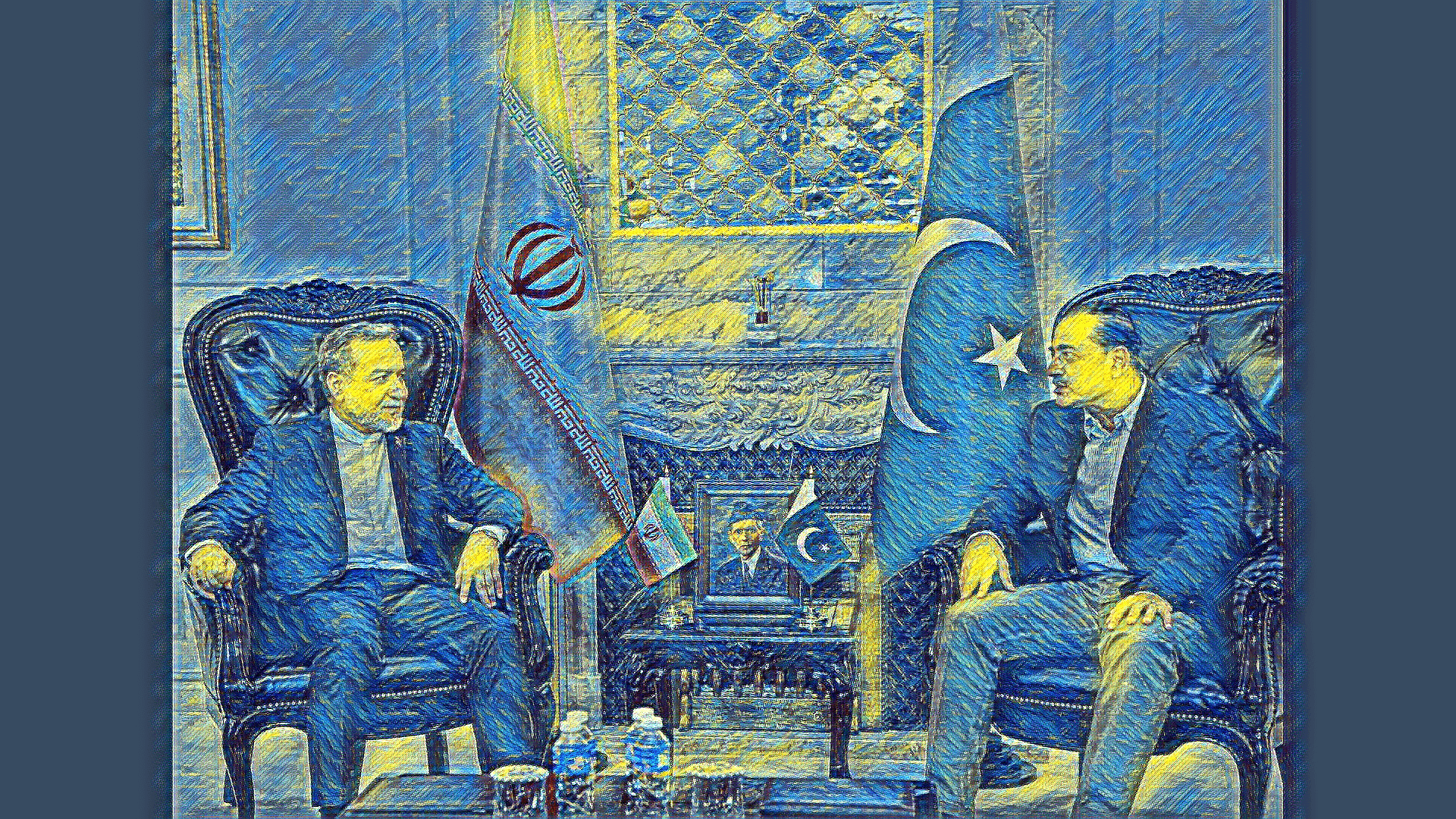
Iranian Foreign Minister Abbas Araghchi's brief visit to Pakistan coincided with renewed efforts to revive stalled peace talks between the U.S. and Iran, though U.S. President Donald Trump suggested direct phone calls might suffice.
Diplomatic Efforts and Shifting Signals
Efforts to restart negotiations between Tehran and Washington have seen Iranian Foreign Minister Abbas Araghchi visiting Islamabad. However, the diplomatic momentum faced a shift when U.S. President Donald Trump announced a halt to planned envoys.
- Pakistan's Role: Pakistan continues to play a role as a mediator in the indirect talks.
- Trump's Statement: Trump stated that the U.S. would not be sending personnel, suggesting, "If they want, we can talk but we're not sending people," indicating that discussions could proceed via phone calls.
- Previous Plans: The White House had previously planned to dispatch envoys, including Steve Witkoff and Jared Kushner, to Islamabad to follow up on earlier face-to-face meetings.
Geopolitical Flashpoints: Strait of Hormuz
A major point of contention remains the Strait of Hormuz, a critical global waterway. Tensions persist as Iran restricts movement, while the U.S. enforces a blockade on Iranian ports.
- Toll Collection: Iran reportedly seeks to persuade Oman to support a mechanism for collecting tolls from vessels passing through the strait, through which an estimated fifth of the world's oil flows during peacetime.
- Conditions for Talks: An official mediating the talks noted that Iran insists on the lifting of the U.S. blockade before any new round of negotiations can take place.
- Iran's Stance: Iran's foreign ministry has previously indicated that any talks would remain indirect, with Pakistani officials acting as intermediaries, reflecting Tehran's caution following past incidents.
Nuclear Concerns and Future Outlook
The ongoing conflict has severe economic repercussions due to disruptions in global shipments of oil and LNG. Military threats remain high from both sides.
- Military Warnings: Iran's joint military command warned of a "strong response" if the U.S. continues aggressive military actions, including blockades.
- Trump's Condition: Trump mentioned that Iran allegedly presented a "much better" proposal, though he did not elaborate. He emphasized that one of his conditions for any agreement is that Iran "will not have a nuclear weapon."
- Nuclear Status: The tension is underscored by Iran's possession of 440 kilograms of uranium enriched to 60% purity, which is noted as being near weapons-grade levels by the U.N. nuclear watchdog agency.
Expert Analysis
Independent analysts suggest that while the ceasefire remains in place, a permanent resolution is distant. Experts advise that the negotiation process requires patience, acknowledging that easing tensions between Washington and Tehran will not happen overnight.