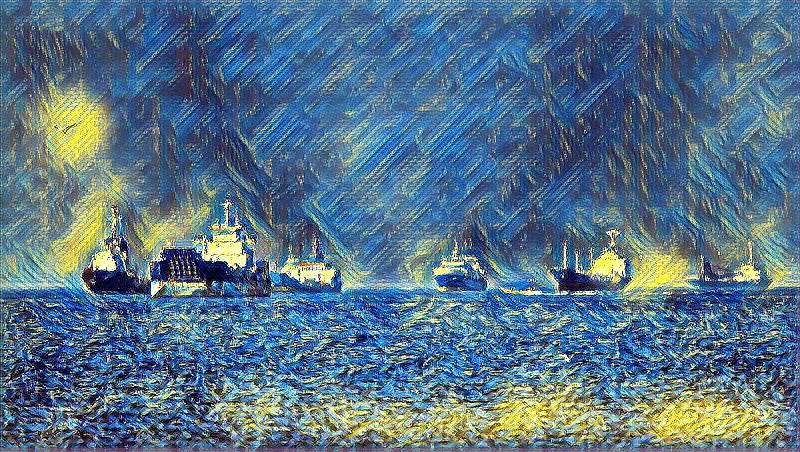
Iran is implementing stringent new protocols for vessels transiting the Strait of Hormuz, signaling a determined effort to formalize its control over this vital global waterway. The new requirements, detailed in a 'Vessel Information Declaration,' mandate extensive data submission from all passing ships, escalating tensions amid regional instability.
The New Protocol and Authority
- Issuing Body: The rules originate from the newly established Persian Gulf Strait Authority (PGSA).
- Requirement: All transiting vessels must complete the 'Vessel Information Declaration' form to ensure safe passage.
- Information Demanded: The form requires detailed information, including:
- Vessel name and identification number, and any previous names.
- Country of origin and destination.
- Nationalities of registered owners, operators, and the crew aboard.
- Details regarding the cargo.
- Submission Method: According to the PGSA, this information must be emailed to the authority before transit can be processed.
Context of Increased Control
Previously, the strait was open to all vessels. However, following the escalation of tensions involving the US and Israel, Iran has begun asserting greater control. The move underscores Tehran's aim to solidify its influence over the waterway, which is crucial as it handles one-fifth of the world's oil and liquefied natural gas.
- Strategic Importance: Control over Hormuz grants Iran significant economic leverage over its neighbors and the global energy market.
- Official Stance: Supreme Leader Mojtaba Khamenei has articulated a vision for a "new regional and global order under the strategy of a strong Iran," citing the potential leverage of controlling the strait.
- Enforcement: The Islamic Revolutionary Guard Corps (IRGC) has been active in warning and asserting control over the area.
Operational Details and Global Impact
Analysts note that while the new requirements formalize the structure, they resemble existing demands from Iranian authorities. Furthermore, the potential for revenue generation has been cited, with reports suggesting passage fees could be imposed.
- Sanctions Risk: Shipping companies are reportedly cautious, as seeking permission from the PGSA could potentially expose them to US sanctions.
- US Stance: US officials have repeatedly stated they do not accept Iranian control over the chokepoint.
- Market Impact: Any restriction on passage has immediate global consequences; the closure of the strait previously triggered a major oil supply shock, causing spikes in energy prices.
- Traffic Decline: Marine traffic data has shown a significant drop, with only a fraction of the pre-war daily crossings recorded during the week leading up to May 3rd, as nations contest control of the area.