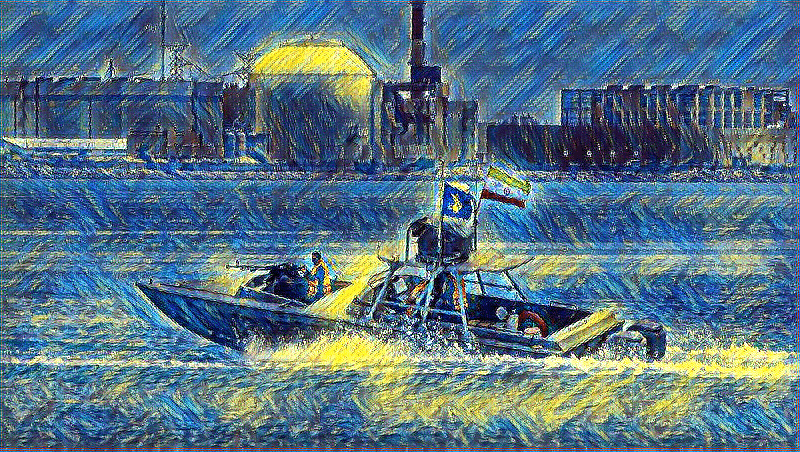
Despite possessing a conventional navy that may be degraded, Iran's true maritime power lies in its array of inexpensive, unconventional warfare systems, earning it the moniker 'mosquito fleet.' These assets pose a significant strategic challenge to international naval forces, particularly in the vital Strait of Hormuz.
The Asymmetric Threat in Hormuz
The threat to commercial shipping passing through the Strait of Hormuz—a critical global chokepoint with no viable alternative route—relies heavily on non-traditional military assets. These include:
- Small Vessels: Low-profile attack boats and drone boats, which are difficult for standard radar systems to detect until they are close to the target.
- Weaponry: The deployment of mines, missiles, and other ordnance from these small platforms.
- Civilian Cover: The use of repurposed civilian vessels, such as fishing dhows, to conduct covert activities like minelaying, complicating monitoring efforts.
Military analysts suggest this strategy is designed not to win a decisive naval battle, but rather to impose continuous friction and attrition on opposing forces.
Strategic Implications and Deterrence
Experts note that the cost-effectiveness and ease of replacement for these Iranian assets are key components of their strategy. This allows Iran to place high-value global maritime assets at risk at a relatively low cost.
- Resource Strain: According to researchers, the sheer number of defensive assets required by the U.S. military to provide area defense for commercial shipping in the area would be immense and resource-intensive.
- Guerrilla Warfare: The overall approach is characterized as water-based guerrilla warfare, leveraging the geography of the Strait of Hormuz.
Operational Complexity
Iran's strategy extends beyond the strait itself, forcing international powers to guard against multiple threats:
- Mobile Missile Launchers: Anti-ship missile launchers are reportedly hidden across hundreds of miles of rocky terrain along the southern coast, and these batteries are mobile, making them difficult to neutralize.
- Undersea Threats: While some threats, like 'midget submarines,' are reportedly easier to target from known ports, the overall complexity requires continuous monitoring.
Analysts point out that the primary goal for Iran may not be achieving numerous successful strikes, but rather creating enough credible risk to convince insurers and ship owners to avoid the area altogether.
International Response and Escalation
Recent developments show ongoing tension:
- The U.S. has adjusted its operations, pausing efforts to 'guide' vessels through the strait while maintaining a blockade of Iranian ports.
- Iran has begun establishing regulatory bodies to govern traffic, potentially imposing tolls for safe passage, a move that has drawn warnings from the U.S. Treasury Department regarding sanctions.
- Despite ceasefires, confrontations have occurred, with both sides issuing strong warnings regarding future actions in the region.