As the conflict in Iran continues, military analysts suggest the ongoing fighting offers critical insights into US capabilities and strategic vulnerabilities for China. Experts warn that Beijing must look beyond offensive power and seriously reassess its defensive readiness and the geopolitical ripple effects of any major confrontation with the US.
Key Takeaways for China's Military Strategy
Experts highlighted several crucial lessons derived from the fighting in the Persian Gulf, emphasizing that military success does not guarantee political outcomes.
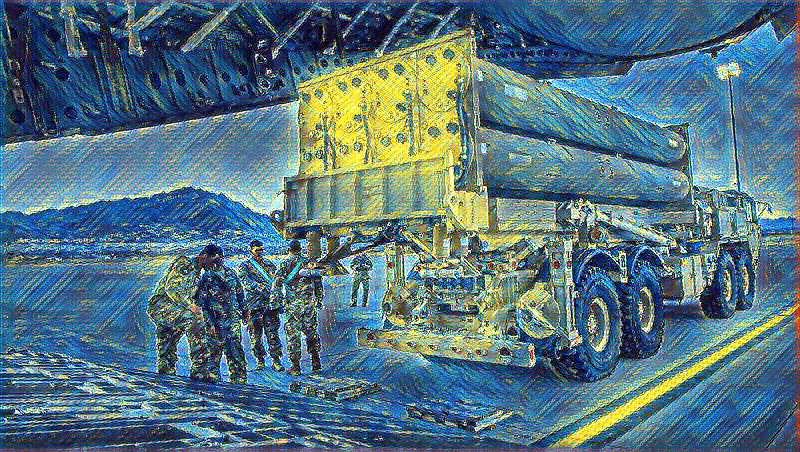
- Defensive Weaknesses: A former Chinese air force colonel noted that the People’s Liberation Army (PLA) must focus heavily on its defenses. He pointed out that Iran has successfully circumvented advanced US anti-missile systems, such as Patriot and THAAD.
- Blended Warfare: The US campaign utilized a mix of sophisticated weaponry (like F-35s and B-2s) alongside cheaper, less high-tech guided munitions. Analysts advise China to plan for such a mixed-capability threat to protect key infrastructure like airfields and ports.
Taiwan Strait Flashpoint Analysis
When considering a potential conflict over Taiwan, analysts point to a balance of capabilities:
- China's Strengths: China possesses advanced offensive firepower, including hypersonic glide vehicles and a rapidly expanding fleet of fifth-generation stealth fighters (like the J-20). Furthermore, China is a leading drone manufacturer, with reports suggesting the capacity to produce billions of weaponized drones annually.
- Taiwan's Position: Taiwan is noted for its ability to deploy high volumes of low-cost, drone warfare, though some reports suggest its current drone countermeasures are inadequate.
- Deterrent Factor: US Indo-Pacific Command leaders have highlighted the deterrent effect of drones, suggesting that targeting major US assets (ships or aircraft) with swarms of drones could make offensive operations prohibitively costly for an aggressor.
Broader Geopolitical Lessons
Beyond direct military hardware, the conflict underscores broader strategic realities:
- Internationalization Risk: Localized conflicts, such as the one in Iran, can rapidly internationalize, immediately implicating global trade, energy flows, and third-party actors.
- Political vs. Military Gains: Experts caution that battlefield victories do not automatically translate into desired long-term political settlements.
- Experience Gap: A significant point of discussion is the PLA's lack of recent, large-scale combat experience compared to US forces, which have conducted extensive operations in Iraq and Afghanistan.
Conclusion: The Adversary Learns
The overarching lesson for all militaries is that the adversary is constantly learning. Analysts suggest that any major power confrontation will be complex, adaptive, and unlikely to remain confined to a purely military scope.