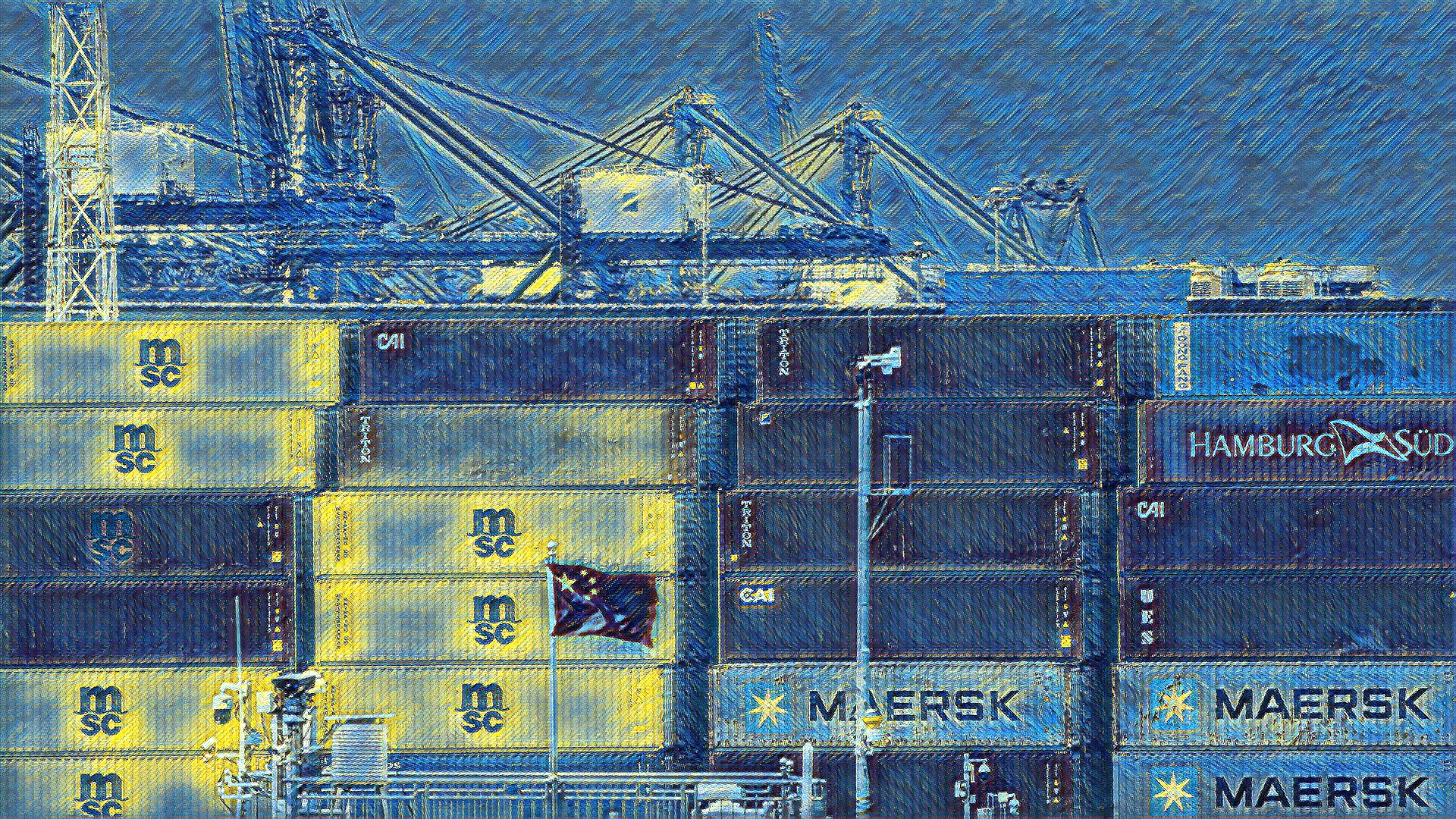
Chinese exporters are currently prioritizing concerns over the Iran conflict, viewing the geopolitical instability as a greater threat than previous tariff disputes. The disruption to global shipping lanes and potential demand slump from the Middle East are overshadowing the upcoming trade talks between U.S. President Trump and Chinese President Xi Jinping.
Shifting Focus from Tariffs to Geopolitics
For the past year, Chinese exporters have focused on diversifying supply chains away from the U.S. due to punitive tariffs. However, the escalating situation in Iran has introduced new, immediate pressures.
- Primary Concern: The ongoing conflict in the Middle East.
- Impact: Choking critical shipping lanes and threatening global demand for Chinese goods.
- Exporters' View: The stability of the Middle East is now the top priority for the business community, overshadowing tariff negotiations.
According to Wang Dan, China director at Eurasia Group, exporters are more focused on the duration of the Iran conflict than on the details of the upcoming summit.
Operational Disruptions and Supply Chain Strain
The instability is causing tangible operational difficulties across multiple sectors:
- Shipping Delays: Maritime delays through the Strait of Hormuz have significantly extended shipping times, forcing companies to rely on costly air freight.
- Port Congestion: Major Asian ports, including Shanghai and Ningbo, are experiencing backlogs due to labor shortages and capacity constraints on key trade routes.
- Logistics Hurdles: Even alternative methods, such as rail freight, have been blocked when goods are classified as sensitive dual-use items due to active conflict zones.
Broader Economic Ripples
The impact extends beyond shipping lanes to raw material costs and overall market sentiment.
- Input Costs: An index tracking input costs for raw materials, fuel, and power in China surged by 3.5% in April compared to a year earlier.
- Expert Analysis: Cameron Johnson of Tidalwave Solutions noted that the war is disrupting "all the supply chains, raw materials, oil derivatives, and fertilizers from the Middle East," calling it a "much bigger issue than tariffs."
Outlook for Trade Talks
While the upcoming meeting between Beijing and Washington is anticipated to reaffirm mutual goals—such as reopening the Strait of Hormuz and restoring regional stability—experts suggest that maritime standoffs and negotiations are likely to remain protracted.