Hormuz Strait Shipping: War Disrupts Global Oil Trade
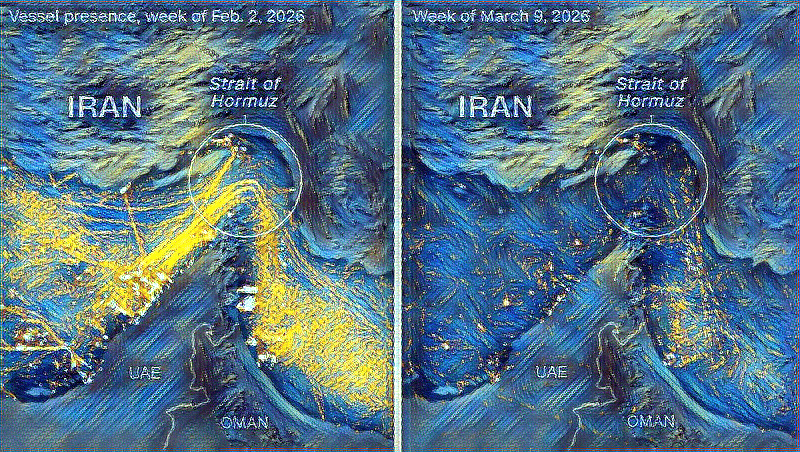
Shipping traffic through the Strait of Hormuz has seen a drastic decline since escalating tensions in Iran, severely disrupting global oil supplies. Previously averaging 3,000 vessels monthly, traffic plummeted to around 5% of the pre-war average, causing refined product shortages, especially in Asia. Iran has asserted increased control by directing vessels to alternative routes through its territorial waters, effectively sidelining the traditional IMO corridor. Although the US imposed a blockade on Iranian ports, recent data shows vessels continuing to use Iranian-designated routes, complicating international efforts to stabilize the vital global trade artery.
Ad slot
Shipping traffic through the Strait of Hormuz has been severely disrupted following escalating tensions in Iran, creating significant instability for global oil and supply chains.
Pre-Conflict Shipping Volume
Before the conflict escalated in late February, the Strait of Hormuz was a vital artery for global trade. Data from Lloyd’s List Intelligence indicated that approximately 3,000 vessels typically passed through the strait monthly.
Oil Exports: Oil tankers alone accounted for an estimated 15 million barrels per day of crude and refined product exports.
Global Significance: This volume represented roughly one-fifth of the world's total oil trade, according to Kpler.
Impact of Conflict on Transit Volume
Since the conflict began, maritime activity has drastically diminished. Kpler data recorded only 154 vessels crossing the strait during the entire month of March.
Ad slot
Overall Reduction: Traffic through Hormuz over the last two months has reportedly run at about 5% of its pre-war average.
Consequences: This reduction has led to shortages of refined products, particularly impacting Asian markets.
Operational Changes and Control Points
Despite the severe disruption, some maritime activity continues, though experts note a pattern of vessels leaving the area more frequently than entering.
Alternative Routes: Iran has increased its control by establishing alternative transit routes. These routes channel traffic through Iranian territorial waters and past Larak Island, allowing for inspections by the Iranian navy and port authorities.
IMO Corridor Abandoned: The official International Maritime Organization (IMO) lane has been largely abandoned, with most vessels reportedly using routes along the Iranian coastline. Some traffic remains unverified, described as 'dark' operations.
Iranian Control: Iranian state media has reported plans to continue charging transit fees, incentivizing Iran to maintain control over the waterway.
International Responses and Challenges
In response to Iran's actions, the United States announced a blockade on ships entering or exiting Iranian ports on April 13th. However, recent data indicates that many transiting vessels have utilized the routes designated by Iranian authorities, with about half reportedly loading cargo at Iranian ports despite the US blockade.
Regional Impact: While Saudi Arabia and the UAE ports typically handle higher traffic, these nations and allied gulf states have reportedly been forced to cut production due to the ongoing shipping disruptions.
Global Concerns: Importing nations, especially in Asia, are facing fuel shortages. Analysts warn that prolonged instability could lead to irreplaceable losses of oil barrels, severely impacting the global shipping industry and freight rates.