BN
WorldAI Desk2 views

Homo erectus Teeth Reveal Molecular Links to Modern Humans

Scientists analyzed ancient enamel proteins from six *Homo erectus* teeth, dating back 400,000 years, establishing a molecular link to later human species. The research revealed an unknown amino acid variant shared with Denisovans and modern humans, suggesting past interbreeding events. This evidence supports a model of human evolution as a complex network of interacting populations rather than isolated lineages. The study also successfully determined the sex of the specimens. Experts suggest these findings bolster theories of admixture between various hominin groups, though further DNA analysis is needed for a complete picture.

Ad slot
Homo erectus Teeth Reveal Molecular Links to Modern Humans

Scientists have analyzed ancient proteins from Homo erectus teeth, establishing a molecular connection between this early human species and later hominins, including Homo sapiens.

Analyzing Ancient Proteins for Evolutionary Clues

Homo erectus was a pivotal species, being the first human ancestor to migrate out of Africa and roam the globe for nearly two million years. However, studying this species has been challenging due to the scarcity and poor preservation of its genetic material.

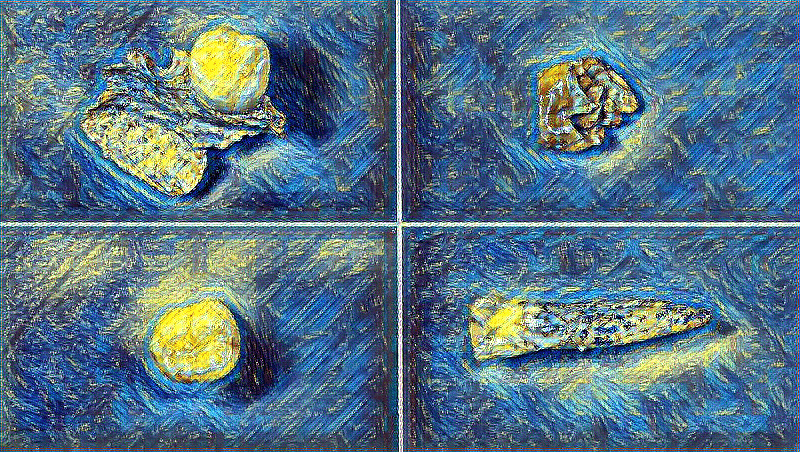
In a study published in Nature, Chinese geneticists Fu Qiaomei and her colleagues successfully extracted and analyzed ancient enamel proteins from six teeth recovered from three sites in China. All specimens date back approximately 400,000 years.

  • Protein Analysis: The researchers utilized proteins, which are more robust than fragile ancient DNA, to glean evolutionary insights.
  • Methodology: They employed a novel, non-invasive technique involving acid etching to sample the enamel, avoiding the need for drilling.
  • DNA Limitations: The team noted the difficulty in extracting DNA from fossils of this age from the same sites.

Key Discoveries: Variants and Interbreeding

The analysis revealed that the specimens shared two amino acid variants, one of which was previously unknown. This finding suggested the teeth belonged to the same species.

Crucially, the second variant was already identified in Denisovans—another enigmatic ancient human species—and in some modern human populations. This suggests a complex pattern of interbreeding:

Ad slot
  • Denisovans may have interbred with Homo erectus.
  • Later, Denisovans are believed to have mated with Homo sapiens.

This pattern mirrors other known instances of admixture, such as the Neanderthal ancestry found in modern humans, and the Denisovan ancestry highest in Southeast Asian populations.

Implications for Human Evolution

Experts interpret these findings as supporting a model of human evolution as an interconnected network of interacting and interbreeding populations, rather than isolated evolutionary branches.

  • Ghost Lineage: Geneticists previously hypothesized that Denisovans might share ancestry from an unknown “ghost lineage,” with Homo erectus being a potential candidate.
  • Expert Commentary: A research scientist noted that this study strengthens the link, suggesting East Asian Homo erectus-related populations may have contributed genetically to Denisovans, and subsequently to some modern humans.

Furthermore, the protein analysis allowed the researchers to determine the sex of the fossils, identifying five males and one female using a sex-specific marker in a tooth enamel gene on the Y chromosome.

Future Research Directions

While the study provides significant clues, researchers caution that the protein data, while valuable, is not granular enough for a complete understanding of Homo erectus's relationship to other hominins. The findings are viewed as a major step forward, opening new avenues for future research, particularly if DNA analysis can be improved.

Ad slot