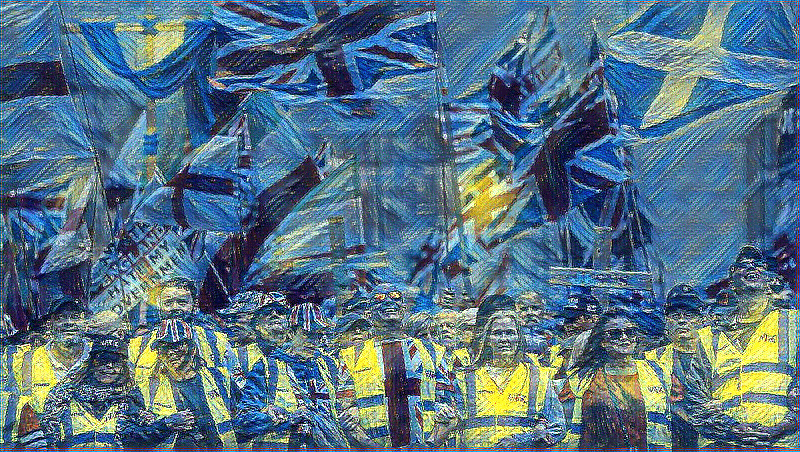
Tens of thousands gathered in London for a 'Unite the Kingdom' march, signaling a visible rise in hard-right sentiment and deep political division within Britain. The event highlighted ongoing public dissatisfaction with the current government, focusing heavily on immigration and national identity.
The Scale and Sentiment of the Protest
While the turnout for the recent march was reportedly smaller than a massive rally held in September, the underlying message remained highly combative. Organizers, including Tommy Robinson, used the platform to rally support for a perceived national resurgence.
- Key Demands: Speakers focused heavily on unauthorized immigration, with calls to deport non-citizens and end what some termed the strain on public benefits.
- Rhetoric: The atmosphere was described as militant, with speakers invoking themes of national defense and historical struggle.
Political Context and Opposition Response
The protest occurred against a backdrop of political instability, particularly within the Labour Party, which has been undergoing internal struggles. This environment has reportedly energized organized hard-right movements.
- Labour's Stance: Keir Starmer, the Labour leader, publicly supported peaceful protest but criticized the organizers, accusing them of promoting "hatred and vision." Starmer also noted that his government had blocked visas for far-right agitators.
- Political Alignment: The 'Unite the Kingdom' movement does not officially affiliate with a single party but draws support from several factions, including those aligned with Reform UK, led by Nigel Farage.
Factions and Ideological Splits
The march revealed internal tensions even within the far-right spectrum, suggesting no single unified front.
- Reform UK vs. Others: While many wore colors associated with Reform UK, some marchers supported alternative far-right figures, such as Rupert Lowe, who was expelled from Reform UK. Lowe's supporters advocate for mass deportations and creating a "hostile environment" for illegal immigrants.
- Diverse Agendas: The crowd displayed a mix of international and domestic concerns, including flags representing Iran and calls for stricter immigration laws modeled after Denmark.
Security and Broader Implications
Law enforcement agencies deployed significant resources to manage the event, anticipating potential clashes with other demonstrations, such as a pro-Palestinian march.
- Police Action: The Metropolitan Police reported launching a "significant" operation and made multiple arrests.
- Underlying Theme: Despite the diverse and sometimes contradictory messages—ranging from calls for national greatness to specific geopolitical grievances—a common thread was the desire for a stronger, more decisive leadership to "take back control" of Britain, echoing sentiments from the Brexit campaign.