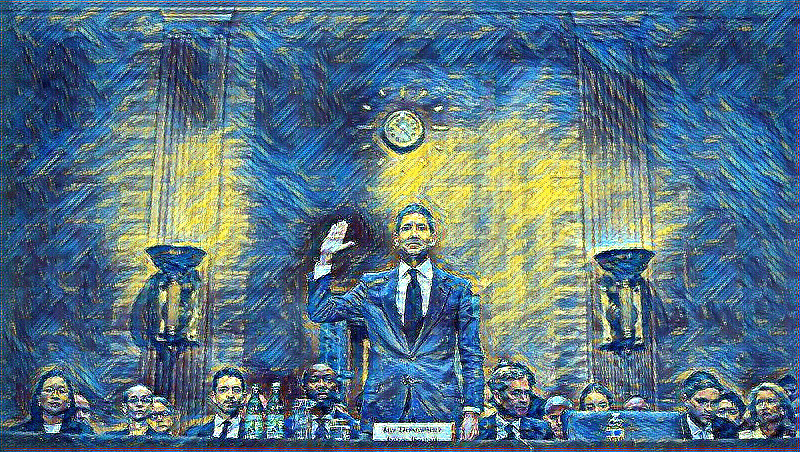
Despite Kevin Warsh's nomination to lead the Federal Reserve, achieving immediate interest rate cuts faces multiple headwinds. Key obstacles include persistently high energy prices, robust consumer spending, and a stable, though not weakening, labor market. Fed officials are maintaining a cautious stance due to the economy's surprising resilience. Furthermore, Warsh's authority is not absolute, as rate decisions require consensus from the 12-member committee. While Warsh plans to advocate for structural changes within the Fed, current inflation risks and economic strength suggest that rate cuts are unlikely in the near term.
Ad slot
Despite Kevin Warsh's nomination to lead the Federal Reserve, current economic conditions present significant obstacles to immediate interest rate cuts, suggesting a cautious approach from the central bank.
Obstacles to Lower Interest Rates
Federal Reserve officials typically lower borrowing costs when specific economic indicators signal a slowdown. Currently, four primary factors are counteracting calls for rate reductions:
Elevated Energy Prices: Global oil prices remain high due to geopolitical tensions, such as the ongoing situation involving the US and Iran.
Robust Consumer Spending: US consumer spending has remained solid, supported by strong corporate earnings reported in the first quarter.
Stable Labor Market: While the labor market has seen fluctuations, it has stabilized and has not shown signs of significant deterioration.
Lack of Unilateral Authority: The Fed Chair does not possess the sole authority to set interest rates; decisions require consensus among the 12-member rate-setting committee.
Economic Resilience vs. Inflation Risks
The US economy is demonstrating surprising resilience, which is prompting Fed officials to adopt a wait-and-see approach. While inflation remains a concern, the underlying strength of consumer activity is notable.
Ad slot
Inflation Data: The Consumer Price Index (CPI) rose in March to 3.3% annually, the highest rate in over two years, largely influenced by spikes in gas prices.
Market Outlook: Analysts suggest that even a change in leadership may not alter the immediate rate-cutting trajectory, as inflation risks currently dominate the outlook.
Expert Caution: Some economists suggest that rate cuts might not occur until 2027, citing the current economic picture.
Signs of Economic Strength
Contrary to expectations of a weakening economy, several sectors show underlying strength:
Corporate Earnings: A high percentage of S&P 500 companies beat analyst expectations in Q1.
Retail Sales: Excluding volatile energy costs, retail sales showed positive growth in March.
Labor Market Stability: Job growth has not been accompanied by a spike in layoffs, and the national unemployment rate remains historically low.
Potential Changes Under Warsh's Leadership
If confirmed, Warsh would wield considerable influence, but his power is limited to one vote on the committee. He has signaled intentions to implement structural changes at the Fed:
Meeting Frequency: He has questioned the current frequency of policy meetings, suggesting a potential reduction from the historical norm of eight meetings annually.
Communication: Warsh has expressed reservations about the customary post-meeting press conferences, suggesting a potential shift in communication protocol.